
Masonry Nails

Pay in 3 interest-free payments on purchases from £20-£3000 with  . Learn more.
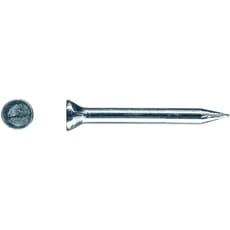
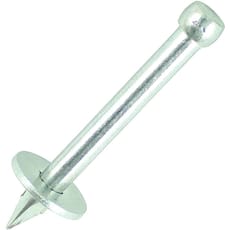
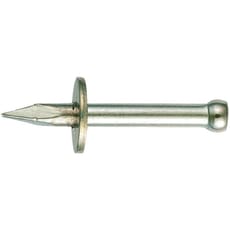
Loading...
End of content
Error - No more pages to load
About Masonry Nails
Masonry nails are specialised fasteners designed for fixing materials directly into hard surfaces such as brick, concrete, stone, and blockwork. Unlike conventional nails, these hardened steel fixings feature a fluted or grooved shank that provides superior grip when driven into dense masonry substrates. MyToolShed.co.uk stocks a comprehensive range of masonry nails from trusted manufacturers including Rawlplug and Timco, suitable for both professional tradespeople and serious DIY enthusiasts.
Available in various configurations including standard head, mushroom head, and washered varieties, masonry nails offer a quick and cost-effective alternative to drilling and plugging when securing timber, metal profiles, or other materials to masonry surfaces. The hardened construction ensures these nails can penetrate tough substrates without bending or breaking, making them an essential addition to any tradesperson's fixing arsenal.
Applications
Masonry nails are widely used across numerous trades and applications, including:
- Carpentry and joinery – fixing skirting boards, architraves, and battens to brick or block walls
- Construction and building – securing formwork, temporary bracing, and timber frames to concrete
- Roofing – attaching felt, flashing, and timber supports to masonry substrates
- Fencing and landscaping – fixing posts, rails, and brackets to brick walls and concrete surfaces
- Electrical and plumbing trades – securing cable clips, conduit, and pipe brackets to masonry
- General maintenance and repairs – quick fixes for signs, nameplates, and light fixtures on masonry surfaces
Choosing The Right Masonry Nails
When selecting masonry nails from MyToolShed.co.uk, consider the following factors:
- Substrate type – ensure the nail is suitable for your specific masonry material; softer bricks require less aggressive fixings than dense concrete
- Length – choose nails with sufficient penetration depth, typically 25-40mm into the masonry for secure fixing
- Head style – standard heads for general fixing, mushroom heads for better load distribution, and washered nails for securing thin materials or preventing pull-through
- Load requirements – heavier applications require larger diameter nails with greater holding power
- Installation method – consider whether you'll be using a hammer or nail gun, as this affects nail selection
- Corrosion resistance – galvanised or stainless steel options for external or damp environments
Safety Information
Always wear appropriate personal protective equipment when installing masonry nails, including safety glasses or goggles to protect against flying debris and masonry dust. Gloves are recommended to protect hands during installation. When using a hammer, ensure proper striking technique to avoid glancing blows that could cause injury. Check for hidden services such as electrical cables or water pipes before driving nails into walls. Ensure adequate ventilation when working indoors, as masonry work can generate dust.
Frequently Asked Questions
Can I use masonry nails in all types of brick and concrete?
Masonry nails work best in medium-density brick, concrete blocks, and mortar joints. Very hard concrete or engineering bricks may require pre-drilling or alternative fixings such as frame fixings or concrete screws. Extremely soft or friable masonry may not provide sufficient holding power.
What's the difference between standard and mushroom head masonry nails?
Mushroom head masonry nails feature a larger, flatter head that distributes load over a wider area, making them ideal for fixing materials that might tear or pull through, such as roofing felt, sheet materials, or thin timber battens. Standard head nails are suitable for general timber fixing applications.
Do I need a special hammer for masonry nails?
While a standard claw hammer can be used, a heavier club hammer or lump hammer provides greater striking force for driving nails into dense masonry. Alternatively, a powder-actuated nail gun offers faster installation for large-scale projects, though this requires appropriate training and certification.