
Masonry Fixings

Pay in 3 interest-free payments on purchases from £20-£3000 with  . Learn more.
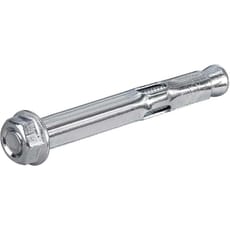
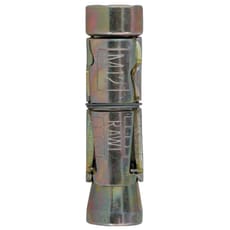
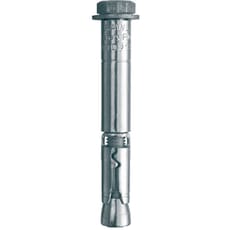
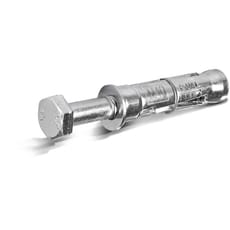
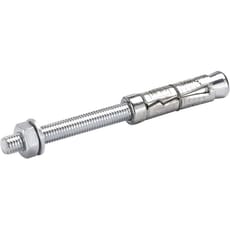
Rawl R-SPL-II Safetyplus 2 Loose Bolt High Performance Expansion Anchor
available
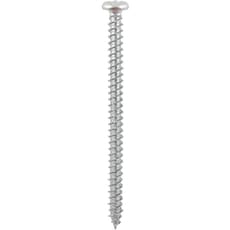
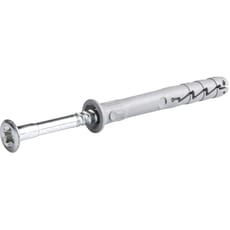
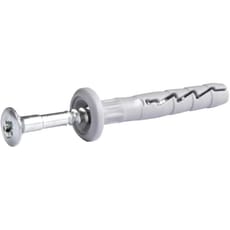
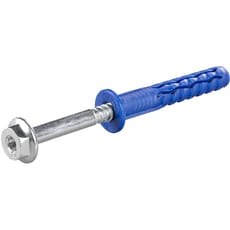
Rawl FX-N-L Nylon Hammer In Fixing with A2 Steel Countersunk Head Screw
available
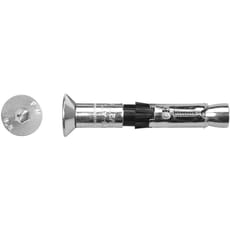
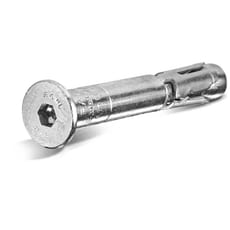
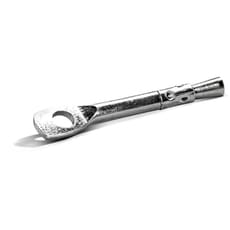
Rawl R-SPL-II Safetyplus 2 Countersunk High Performance Expansion Anchor
available
Loading...
End of content
Error - No more pages to load
About Masonry Fixings
Masonry fixings are essential fastening solutions designed to create secure anchor points in solid materials such as brick, concrete, stone, and blockwork. MyToolShed.co.uk offers a comprehensive range of masonry fixings including frame fixings, hammer-in fixings, sleeve anchors, through bolts, wedge anchors, and high-performance anchors suitable for both light-duty applications and heavy structural loads. These specialised fixings work by expanding within pre-drilled holes or gripping the substrate material to provide reliable holding power in dense masonry substrates.
Whether you're installing window frames, securing heavy equipment, mounting structural steel, or fixing into hollow walls, selecting the appropriate masonry fixing is crucial for safety and long-term performance. The various types available at MyToolShed.co.uk cater to different load requirements, substrate conditions, and installation methods—from quick hammer-in solutions for lightweight applications to heavy-duty wedge anchors for structural engineering projects.
Applications
Masonry fixings are used across numerous trades and applications, including:
- Construction and Structural Work: Securing steel frames, structural supports, and load-bearing installations
- Shopfitting and Joinery: Installing window and door frames, partition walls, and timber battens
- Electrical and Mechanical: Mounting cable trays, electrical panels, conduit supports, and HVAC equipment
- Plumbing: Fixing pipework brackets, radiators, and boiler installations
- Facilities Maintenance: Installing shelving, signage, safety barriers, and access equipment
- DIY Projects: Mounting televisions, garage storage systems, and garden structures
Choosing The Right Masonry Fixings
Selecting the correct masonry fixing depends on several critical factors:
- Substrate Type: Different fixings suit solid concrete, lightweight block, brick, or hollow walls—multi-fix anchors offer versatility across various materials
- Load Requirements: Calculate both static and dynamic loads; high-performance anchors and through bolts provide maximum holding power for heavy-duty applications
- Installation Method: Consider whether hammer-in fixings for speed or sleeve anchors requiring torque settings suit your project
- Environmental Conditions: For outdoor or corrosive environments, specify stainless steel or galvanised fixings
- Hole Depth and Diameter: Ensure your masonry drill bits match the fixing specifications for proper installation
- Regulations and Standards: Check that fixings meet relevant BS EN standards and building regulations for structural applications
Safety Information
Always wear appropriate PPE including safety glasses and gloves when drilling masonry and installing fixings. Ensure you check for hidden services such as electrical cables and water pipes before drilling—use a cable detector on all wall areas. Follow manufacturer torque settings precisely, as over-tightening can damage both the fixing and substrate, whilst under-tightening compromises load capacity. For structural applications, consult a qualified engineer to verify load calculations and fixing suitability.
Frequently Asked Questions
What's the difference between sleeve anchors and wedge anchors?
Sleeve anchors expand along their entire length and can be removed if needed, making them suitable for moderate loads. Wedge anchors expand only at the base, creating a permanent, high-strength fixing ideal for heavy structural loads in solid concrete.
Can I use the same fixings for solid and hollow walls?
No—solid masonry requires expanding anchors that grip within dense material, whilst hollow walls need specialised hollow wall plugs or anchors that collapse behind the plasterboard to distribute loads. Multi-fix anchors offer versatility across both substrate types.
How do I calculate the load capacity I need?
Calculate the total weight of the item being fixed, add a safety factor (typically 4:1 for static loads), and check manufacturer load tables for your specific substrate. For structural applications, always consult engineering specifications and building regulations.