
Marking Tools

Pay in 3 interest-free payments on purchases from £20-£3000 with  . Learn more.
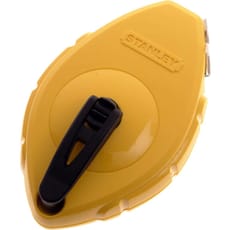
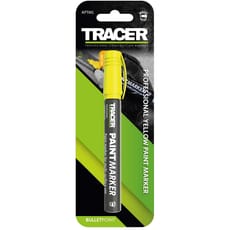
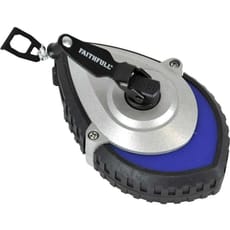
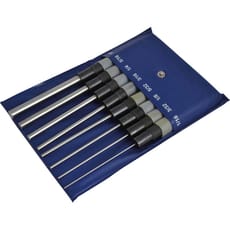
Loading...
End of content
Error - No more pages to load
About Marking Tools
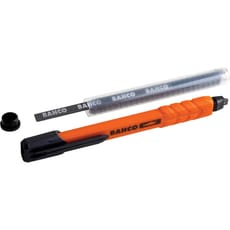
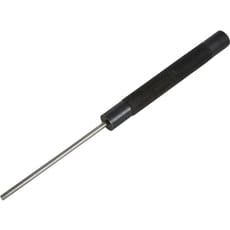
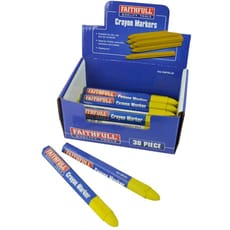
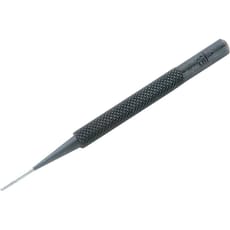
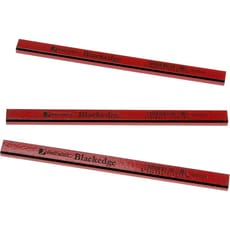
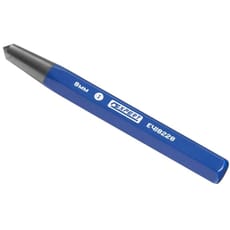
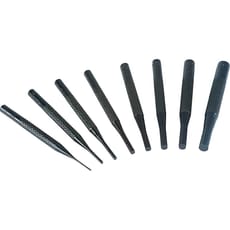
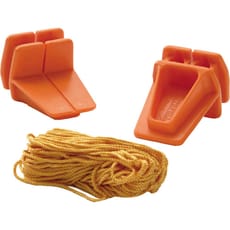
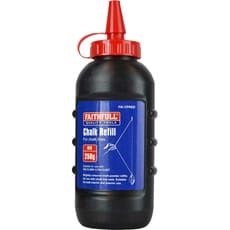
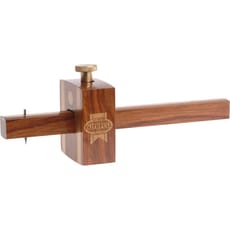
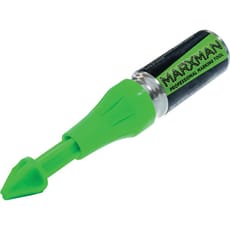
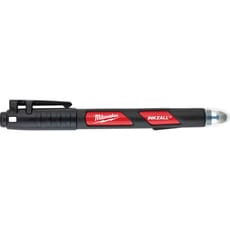
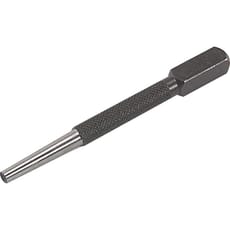
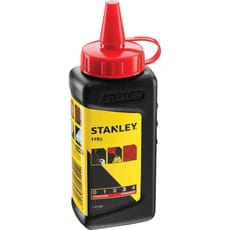
Marking tools are essential equipment for tradespeople and DIY enthusiasts who need to transfer measurements, create reference points, and mark materials accurately before cutting, drilling, or assembly. MyToolShed.co.uk stocks a comprehensive range of marking tools including carpenters pencils, marking gauges, scribers, punches, chalk lines, bradawls, crayons, markers, and stencils. Whether you're working with timber, metal, masonry, or composite materials, having the right marking tool ensures precision and reduces costly mistakes.
From traditional carpenter's pencils and marking gauges to specialist scribers and centre punches, the marking tools category at MyToolShed.co.uk covers every trade requirement. These tools form the foundation of accurate workmanship across carpentry, metalwork, construction, and manufacturing applications, allowing professionals to work efficiently whilst maintaining the high standards expected in their trade.
Applications
Marking tools are used across numerous trades and industries:
- Carpentry and Joinery: Setting out joints, marking cut lines, transferring measurements, and scribing to irregular surfaces
- Metalwork and Fabrication: Scoring cut lines, marking drill centres, and creating reference points on steel and aluminium
- Construction and Building: Setting out wall positions, marking fixing points, and establishing level lines
- Plumbing: Marking pipe cuts, identifying connection points, and labelling systems
- Engineering and Manufacturing: Precision marking for machining operations and quality control
- Shopfitting and Installation: Marking fixing positions and creating layout references
- DIY Projects: General marking tasks for home improvements and woodworking hobbies
Choosing The Right Marking Tools
Selecting appropriate marking tools depends on several factors:
- Material Type: Soft pencils suit timber, whilst scribers and punches work better on metal. Crayons and markers are ideal for rough surfaces like masonry and concrete
- Marking Permanence: Consider whether marks need to be temporary (pencil) or permanent (marker, scriber)
- Precision Requirements: Fine woodworking demands sharp marking gauges and knife-edge scribers, whilst rough construction may only need chalk lines or builder's crayons
- Working Environment: Wet or outdoor conditions require water-resistant markers; dusty environments suit chalk lines and crayons
- Visibility: Choose high-contrast colours for dark materials and surfaces with poor lighting
- Tool Quality: Professional tradespeople benefit from hardened steel punches and brass-tipped marking gauges that maintain accuracy over time
MyToolShed stocks marking tools suitable for apprentices learning their trade through to experienced professionals requiring specialist equipment.
Safety Information
Whilst marking tools are generally low-risk, sharp implements like scribers, bradawls, and punches require careful handling. Always direct pointed tools away from your body and keep fingers clear of the marking path. Store sharp marking tools with protected points to prevent injury and maintain precision. When using centre punches or bradawls, ensure work is securely held to prevent slipping. Wear appropriate eye protection when striking punches with hammers, as metal fragments can occasionally break free.
Frequently Asked Questions
What's the difference between a marking gauge and a mortice gauge?
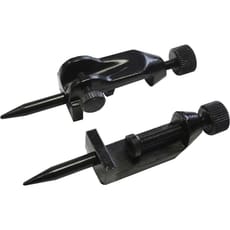
A marking gauge has a single pin for scribing one line parallel to an edge, whilst a mortice gauge features two adjustable pins for marking both sides of a mortice simultaneously. Both are essential carpentry tools available at MyToolShed.co.uk.
Why use a carpenter's pencil instead of a regular pencil?
Carpenter's pencils have a flat, rectangular profile that prevents rolling on sloped surfaces, and their thick lead is more durable for marking rough timber and masonry. The flat lead also creates wider, more visible lines on construction materials.
Can chalk lines be used on all surfaces?
Chalk lines work best on relatively smooth, porous surfaces like plasterboard, timber, and concrete. They're less effective on very rough textures or oily metal surfaces where markers or scribers are more suitable.