

Maintenance Sprays & Compounds
Pay in 3 interest-free payments on purchases from £30-2000 with  . Learn more.
 Loading...
End of content
Error - No more pages to load
About Maintenance Sprays & Compounds
Maintenance sprays and compounds are essential chemical solutions designed to protect, preserve, and enhance the performance of tools, machinery, and equipment across industrial, commercial, and DIY applications. From corrosion inhibitors that shield metal surfaces against rust and oxidation, to specialised food-grade lubricants that meet stringent hygiene standards, these products form a critical part of any preventative maintenance programme. MyToolShed.co.uk stocks a comprehensive range of maintenance sprays and compounds to keep your equipment running smoothly and extend operational lifespan.
Whether you're protecting electrical components from moisture ingress, lubricating moving parts in food production environments, or applying graphite powder for high-temperature applications, selecting the right maintenance product ensures optimal performance and compliance with industry regulations. MyToolShed offers specialist solutions including corrosion protection formulas, food industry-approved lubricants, and graphite-based compounds suitable for demanding workshop and industrial environments.
Applications
Maintenance sprays and compounds are used across numerous trades and industries, including:
- Automotive and Vehicle Maintenance: Protecting chassis components, hinges, and electrical connections from corrosion and moisture
- Food Processing and Production: Food-safe lubricants for machinery operating in hygiene-critical environments
- Electrical and Electronics: Moisture displacement and contact cleaning for 240v electrical systems and control panels
- Manufacturing and Engineering: General workshop maintenance, mould release, and assembly lubrication
- Marine and Coastal Applications: Enhanced corrosion protection in salt-water environments
- General Building and Construction: Tool maintenance, fixings protection, and equipment preservation
- Agricultural Machinery: Protecting farm equipment exposed to harsh outdoor conditions
Choosing The Right Maintenance Sprays & Compounds
Selecting appropriate maintenance products depends on several key factors:
- Application Environment: Consider whether products will be used in food production areas (requiring NSF/FDA approval), outdoor conditions requiring superior weather resistance, or high-temperature applications where conventional lubricants fail
- Material Compatibility: Ensure compounds are suitable for the substrates you're treating—metals, plastics, rubber seals, or painted surfaces
- Performance Requirements: Identify whether you need corrosion protection, lubrication, moisture displacement, or a combination of properties
- Temperature Range: Graphite compounds excel in extreme heat applications, whilst standard sprays may degrade above certain temperatures
- Regulatory Compliance: Food industry environments require certified food-safe lubricants that meet H1 or H2 standards
- Application Method: Consider whether aerosol sprays, brush-on compounds, or dry powder formulations best suit your requirements
MyToolShed.co.uk provides detailed product specifications to help you identify the most suitable maintenance solution for your specific needs.
Frequently Asked Questions
What's the difference between food-grade and standard lubricants?
Food-grade lubricants are specially formulated to be safe for incidental food contact and meet strict regulatory standards (NSF H1 certification). They're essential for machinery in food production, processing, and packaging environments where contamination could occur. Standard lubricants contain additives unsuitable for food-contact areas.
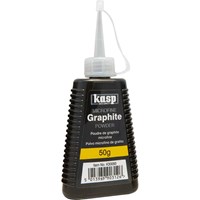
Can I use graphite powder on all types of locks and mechanisms?
Graphite powder is excellent for locks, hinges, and mechanisms that operate in dusty environments or extreme temperatures, as it doesn't attract dirt like oil-based lubricants. However, avoid using it in applications where precision cleanliness is required or where it might stain surrounding surfaces.
How often should corrosion protection be reapplied?
Reapplication frequency depends on environmental exposure. Equipment in coastal or high-humidity environments may require monthly treatment, whilst indoor tools in controlled conditions might only need protection every 6-12 months. Always inspect regularly and reapply when the protective film appears compromised.