

Magnetic Stands
Pay in 3 interest-free payments on purchases from £30-2000 with  . Learn more.
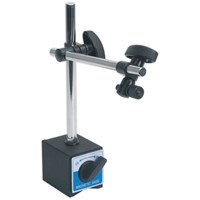
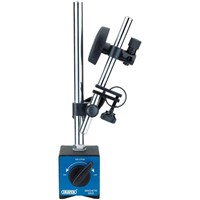
 Loading...
End of content
Error - No more pages to load
About Magnetic Stands
Magnetic stands are precision positioning tools designed to securely hold dial test indicators, dial gauges, and other measuring instruments during metalworking, machining, and engineering operations. Featuring a powerful magnetic base that attaches firmly to ferrous metal surfaces such as machine tables, surface plates, and workpieces, these versatile tools enable hands-free measurement with exceptional stability. The magnetic attachment provides rigid support whilst allowing quick repositioning, making them indispensable for quality control, dimensional inspection, and setup verification across professional workshops.
MyToolShed.co.uk stocks magnetic stands from trusted brands including Sealey and Draper, offering options from compact flexible gooseneck designs to heavy-duty articulated models with fine adjustment mechanisms. Whether you need a basic stand for general workshop measurements or a precision model with calibrated positioning controls for demanding engineering applications, our range caters to machinists, precision engineers, quality inspectors, and DIY enthusiasts undertaking accurate metalworking projects.
Applications
Magnetic stands are essential equipment for professionals and trades requiring precise measurement and inspection:
- Precision Engineers and Machinists: Quality control inspection, runout checking, and in-process measurement on lathes, milling machines, and grinding equipment
- CNC Machine Operators: Setup verification, first-off inspection, and ongoing process monitoring to ensure dimensional accuracy
- Tool and Die Makers: Checking critical dimensions and surface relationships during mould manufacturing and repair
- Quality Control Inspectors: Comparative measurement, gauge verification, and detailed dimensional inspection in inspection departments
- Automotive Technicians: Verifying runout on brake discs, flywheel faces, and rotating components requiring concentricity checks
- Fabricators and Welders: Checking alignment, flatness, and measuring distortion during fabrication and welding operations
- Maintenance Fitters: Diagnosing machinery problems, checking shaft alignment, and measuring bearing clearances during servicing
- DIY Enthusiasts: Home workshop users undertaking lathe work, precision metalworking, or restoration projects requiring accurate measurement
Choosing The Right Magnetic Stands
Magnetic Holding Force: Light-duty stands with 60-80kg holding force suit standard workshop measurement with typical dial indicators, whilst heavy-duty models offering 100-150kg+ holding force are necessary for larger instruments, applications involving vibration, or when maximum stability is critical for precision work.
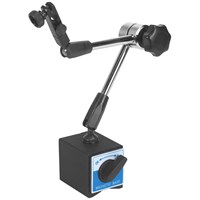
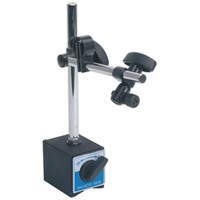
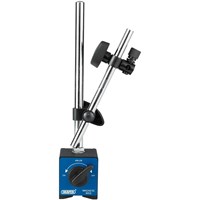
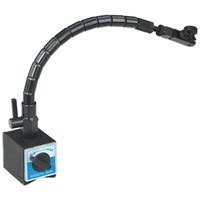
Arm Type: Articulated arms with multiple lockable joints provide superior rigidity for precision measurement where any movement could affect readings. Flexible gooseneck arms offer quick, infinite positioning with slightly less rigidity, ideal for frequent repositioning and less critical measurements. Fine adjustment mechanisms are essential for comparative measurement and precise setup work.
Reach and Height: Standard stands typically offer reaches of 200-350mm from the magnetic base. Consider the maximum height and horizontal reach required to position indicators on your typical workpieces and machinery.
Build Quality: Professional-grade stands from Sealey and Draper available at MyToolShed.co.uk offer superior magnetic strength, smoother adjustment mechanisms, and longer service life with precision-machined components and secure locking mechanisms.
Safety Information
Secure Attachment: Always verify the magnetic base is fully activated and firmly attached before releasing your grip. Ensure the mounting surface is clean, flat, and free from oil or swarf that might reduce magnetic holding force.
Weight Limits: Never exceed the manufacturer's specified capacity. When using heavy instruments, position the arm to minimise overhang and leverage forces on the magnetic base.
Proper Deactivation: Always switch off the magnetic base before attempting to remove the stand. Forcing against active magnetic force can damage both the stand and mounting surface.
Magnetic Field Awareness: Keep magnetic stands away from sensitive electronic equipment, data storage devices, and precision instruments that might be affected by strong magnetic fields.
Frequently Asked Questions
What's the difference between flexible and articulated arm magnetic stands?
Flexible arms (gooseneck style) can be bent manually into any position and hold that shape through internal friction, offering quick positioning but with less rigidity. Articulated arms feature distinct pivot joints with individual locking mechanisms, providing superior stability once locked, making them preferable for precision measurement work where any movement could compromise accuracy.
How do I know if a magnetic stand will work on my machine or workbench?
Magnetic stands require ferrous (magnetic) metal surfaces to function – typically cast iron, steel, or iron. They will not attach to aluminium, brass, most stainless steel grades, or non-metallic surfaces. Most machine tables, surface plates, and steel workbenches provide suitable mounting surfaces, but fabricated aluminium tables or composite work surfaces are incompatible.
How much holding force do I need?
For standard workshop measurement with typical dial indicators, stands with 60-80kg holding force are generally adequate. Applications involving larger instruments, measurement in areas subject to vibration, or critical precision work warrant heavy-duty models with 100-150kg+ holding force. Choose capacity well above your minimum requirement to ensure reliable operation across varying conditions.