

Luggage, Recovery & Towing
Pay in 3 interest-free payments on purchases from £30-2000 with  . Learn more.

 Loading...
End of content
Error - No more pages to load
About Luggage, Recovery & Towing
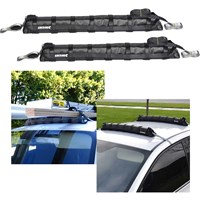
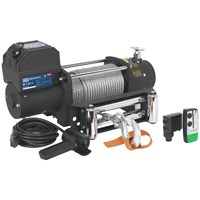
The Luggage, Recovery & Towing category at MyToolShed.co.uk brings together essential equipment for mobile tradespeople, recovery operators and contractors who need to transport tools, recover vehicles or tow trailers safely and legally. From robust roof bars that maximise van storage capacity to professional-grade winches for roadside recovery, this range covers everything required for efficient vehicle operations across construction sites, agricultural settings and breakdown scenarios.
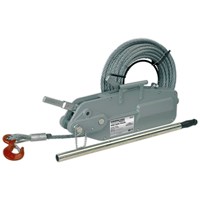
Our selection includes hand pullers for manoeuvring trailers in tight spaces, tow balls and hitches engineered to British and European safety standards, recovery straps rated for professional use, and mandatory safety equipment including warning triangles and high-visibility towing signs. Whether you're equipping a mobile workshop, preparing for off-road recovery work, or ensuring compliance with UK road traffic regulations, MyToolShed stocks equipment built to withstand demanding conditions and repeated professional use.
Applications
- Mobile Tradespeople: Electricians, plumbers and heating engineers using roof bars to transport tools between job sites
- Recovery Operators: Professional breakdown services requiring winches, tow ropes and roadside safety equipment
- Agricultural Contractors: Farmers moving livestock trailers, machinery and equipment across rural locations
- Groundworkers and Landscapers: Towing plant equipment including mini diggers and dumpers to construction sites
- Fleet Managers: Maintaining commercial vehicles with compliant towing accessories and emergency recovery gear
- Construction Site Managers: Ensuring company vans carry mandatory safety equipment for roadside emergencies
- Caravan and Motorhome Owners: Recreational users requiring proper towing equipment and trailer accessories
- Plant Hire Companies: Businesses regularly transporting machinery on trailers
Choosing The Right Luggage, Recovery & Towing
Verify Vehicle Specifications: Always check your vehicle handbook for maximum towing capacity, nose weight limits and approved tow ball types before purchasing. Exceeding these figures is illegal on UK roads and invalidates insurance.
Match Equipment to Load Requirements: A hand puller rated for 750kg suits positioning small trailers, whilst vehicle recovery demands winches with 2,000kg+ capacity. Calculate total tool weight when selecting roof bar systems.
Check British and European Standards: Quality towing equipment should display BS EN certification marks confirming compliance with UK safety regulations. This is particularly critical for tow balls, hitches and safety-critical components under substantial stress.
Assess Build Quality: Professional-grade equipment withstands harsh conditions and repeated use. Look for galvanised steel components resisting corrosion, reinforced mounting points, and weather-resistant materials suitable for year-round British conditions.
Include Mandatory Safety Equipment: UK regulations require warning triangles, high-visibility towing signs and appropriate reflective markings when conducting recovery or towing operations. Many professionals also carry puncture repair kits and spare towing pins.
Safety Information
Never Exceed Working Load Limits: Always operate within the stated Safe Working Load (SWL) of recovery and towing equipment. Regularly inspect items for wear, corrosion or damage, withdrawing any compromised equipment from service immediately.
Roadside Recovery Precautions: Position warning triangles at minimum 45 metres on single carriageways, wear high-visibility clothing conforming to EN ISO 20471, and keep hazard lights activated during all roadside operations.
Use Designated Attachment Points: Only attach recovery equipment to manufacturer-specified towing eyes and recovery points. Never improvise attachments to suspension components, axles or chassis members, as this risks catastrophic failure.
Frequently Asked Questions
What size tow ball do I need for my vehicle?
Most UK vehicles use 50mm tow balls as standard for cars and light commercials, whilst agricultural applications may require 2-inch hitches. Check your vehicle handbook and trailer coupling for compatibility. The tow ball must meet BS EN standards and be rated for your vehicle's maximum towing capacity.
How do I calculate correct nose weight for my trailer?
Measure nose weight using a dedicated gauge or bathroom scales positioned under the trailer coupling at tow ball height. Most cars have limits between 50-100kg—check your handbook. Incorrect nose weight causes instability: too light creates trailer "snaking", whilst excessive weight overloads rear suspension. Adjust by redistributing load within the trailer.
What's the difference between a tow rope and a recovery strap?
Tow ropes pull free-rolling vehicles and shouldn't be used for recovering stuck vehicles. Recovery straps have higher strength ratings with flexibility to absorb shock loads when extracting bogged-down vehicles. Kinetic recovery straps deliberately stretch to build energy for difficult extractions but require specific training for safe use. Always match equipment type to your recovery scenario.