

Locking Pliers
Pay in 3 interest-free payments on purchases from £30-2000 with  . Learn more.

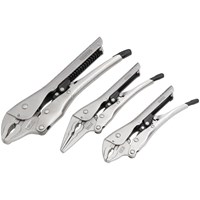
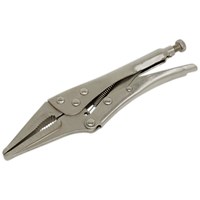
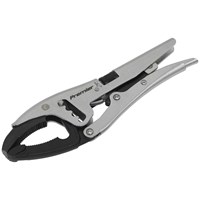
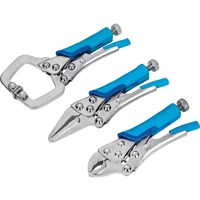
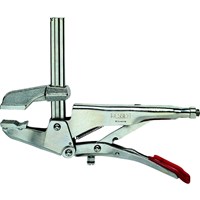
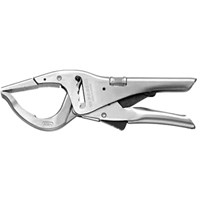
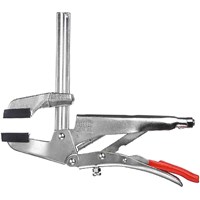
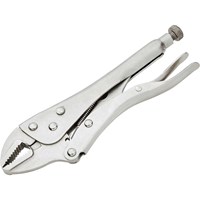

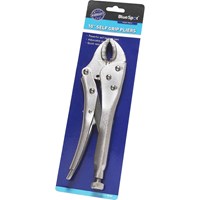
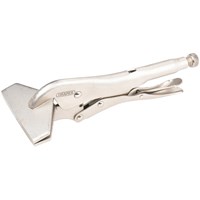
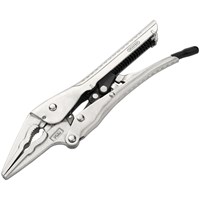

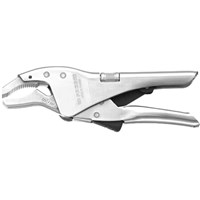

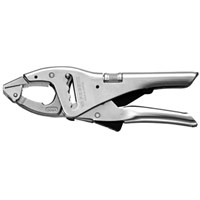
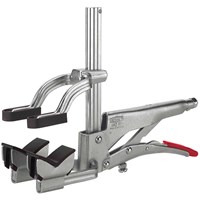
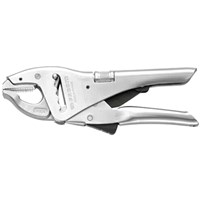
 Loading...
End of content
Error - No more pages to load
About Locking Pliers
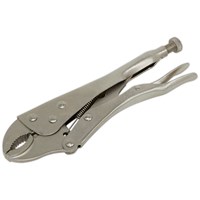
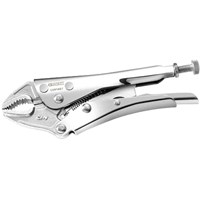
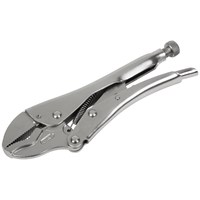
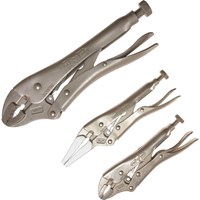
Locking pliers, commonly known as mole grips or vise grips, are essential hand tools that combine the powerful clamping force of a vice with the portability of traditional pliers. These versatile tools feature an adjustable screw mechanism that allows them to lock onto workpieces of varying sizes, maintaining a firm grip without requiring constant hand pressure. MyToolShed.co.uk stocks a comprehensive range of locking pliers from leading brands including Sealey, Draper, Facom, Milwaukee, and Bessey, catering to both professional tradespeople and DIY enthusiasts.
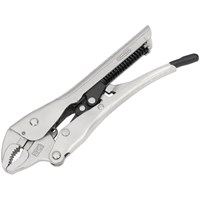
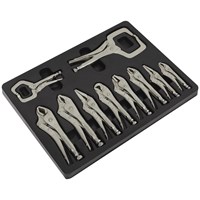
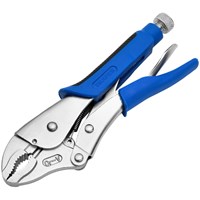
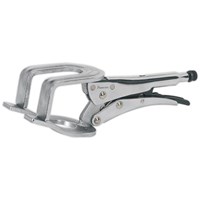
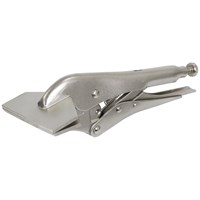
The category includes several specialist types to suit different applications: curved jaw locking pliers for gripping rounded objects like pipes and bolts, long nose locking pliers for accessing tight spaces, straight jaw models for flat surfaces, and C-clamp style variants for metalwork and welding. Many modern designs feature quick-release mechanisms, soft-grip handles for enhanced comfort, and hardened jaws with machined teeth for maximum grip strength on stubborn fasteners and components.
Applications
Locking pliers are indispensable tools across numerous trades and industries:
- Plumbing: Gripping and turning pipes, holding fittings during assembly, removing damaged taps
- Automotive and mechanics: Removing rounded bolts, holding brake components, clamping hoses
- Metalwork and fabrication: Sheet metal clamping, welding work holding, bending operations
- Electrical work: Cable management, holding junction boxes, gripping conduit
- General maintenance: Emergency repairs, extracting broken fasteners, holding awkward components
- Carpentry and joinery: Clamping glued joints, holding materials during cutting
- DIY projects: General gripping, clamping, and holding tasks around the home
Choosing The Right Locking Pliers
When selecting locking pliers from MyToolShed.co.uk, consider these key factors:
- Jaw type: Curved jaws suit pipes and rounded objects, straight jaws work best on flat surfaces, whilst long nose variants excel in confined spaces
- Size and capacity: Available in various lengths from compact 125mm mini pliers to 250mm+ heavy-duty models; choose based on the typical workpiece dimensions you'll encounter
- Material quality: Look for drop-forged steel construction with hardened, heat-treated jaws for durability and long service life
- Adjustment mechanism: Standard screw adjustments offer precision, whilst quick-release mechanisms save time on repetitive tasks
- Handle comfort: Soft-grip or cushioned handles reduce hand fatigue during extended use
- Special features: Wire cutters integrated into some models add versatility for electrical and fencing work
Frequently Asked Questions
What's the difference between mole grips and locking pliers?
There is no difference – "mole grips" and "locking pliers" refer to the same tool. Mole is actually a brand name that became synonymous with the product, similar to how "Hoover" is used for vacuum cleaners. Vise-Grip is another common brand name used generically.
Can locking pliers damage workpieces?
The powerful clamping force can mark or damage soft materials. For delicate components, use locking pliers with smooth jaw inserts, apply protective material like cloth or leather between the jaws and workpiece, or adjust the clamping pressure carefully to avoid over-tightening.
How do I maintain my locking pliers?
Keep the adjustment screw and pivot points lightly oiled to ensure smooth operation. Clean the jaws regularly to remove debris that could affect grip. Store in a dry location to prevent rust, and periodically check that the locking mechanism engages properly without excessive play.