
Lighting Testers

Pay in 3 interest-free payments on purchases from £20-£3000 with  . Learn more.
 Loading...
End of content
Error - No more pages to load
About Lighting Testers
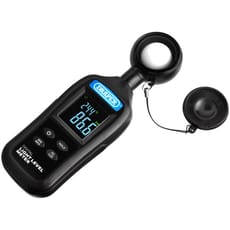
Lighting testers, also known as lux meters or light level meters, are precision diagnostic instruments designed to measure illumination levels in both professional and domestic settings. These essential devices enable electricians, health and safety officers, facilities managers, and building inspectors to verify that lighting installations meet UK Building Regulations and HSE workplace standards. MyToolShed.co.uk stocks quality digital lighting testers from trusted brands including Draper and Faithfull, offering accurate lux readings for compliance testing and installation verification.
Modern handheld light level meters feature easy-to-read digital LCD displays, data hold functions, and auto-ranging capabilities that make them accessible to both professional tradespeople and DIY enthusiasts. Whether commissioning a new 240v lighting circuit, conducting workplace assessments, or planning home improvements, a reliable lighting tester provides the accurate measurements needed to ensure adequate illumination levels and document compliance with UK safety standards.
Applications
Lighting testers serve a wide range of professional and practical applications:
- Electricians and Electrical Contractors – Commissioning new installations and verifying lighting circuits meet specification
- Health and Safety Officers – Conducting workplace lighting assessments and ensuring HSE compliance
- Facilities Managers – Monitoring illumination levels in offices, warehouses, factories, and commercial premises
- Building Inspectors – Checking compliance with Building Regulations Part L and construction standards
- Maintenance Engineers – Identifying areas requiring lamp replacement or lighting system upgrades
- Landlords and Property Managers – Ensuring rental properties meet minimum lighting requirements
- Architects and Interior Designers – Assessing existing conditions and verifying design implementations
- DIY Enthusiasts – Planning home lighting improvements and optimising domestic illumination
Choosing The Right Lighting Testers
Measurement Range: Ensure your meter covers expected lux levels. Basic models measuring 0-50,000 lux suit most indoor applications, whilst outdoor work may require extended ranges up to 200,000 lux.
Accuracy and Resolution: Professional compliance work requires higher accuracy specifications, typically ±3-4% of reading. Look for 0.1 lux resolution for precision measurements and detailed assessments.
Display and Features: Clear LCD displays with backlighting assist working in dimly lit areas. Data hold, minimum/maximum recording, and averaging functions enhance usability during site surveys.
Build Quality: Site work demands robust construction. MyToolShed.co.uk stocks meters with protective housings and detachable photocell sensors on cables, allowing measurement in confined spaces whilst protecting the main unit.
Calibration: Professional users requiring compliance documentation should verify calibration certification is available and check recommended recalibration intervals, typically annually for maintained accuracy.
Frequently Asked Questions
What lux levels are required in UK workplaces?
The HSE recommends minimum illuminance levels based on task requirements: 50 lux for corridors, 100 lux for warehouses, 200 lux for general offices, and 500 lux for detailed work such as drawing or precision assembly. Specific industries may have additional sector-specific requirements.
Can lighting testers accurately measure LED lights?
Quality digital light meters with proper spectral response calibration accurately measure LED lighting. When selecting a lighting tester, verify it's suitable for modern LED installations, which are now standard in UK commercial and domestic properties.
How often should lighting levels be tested?
Regular testing is recommended as part of routine workplace assessments, typically annually or when modifications are made to lighting installations. Immediate testing is required after installing new systems or following complaints about inadequate illumination.