

Lathes
Pay in 3 interest-free payments on purchases from £30-2000 with  . Learn more.
 Loading...
End of content
Error - No more pages to load
About Lathes
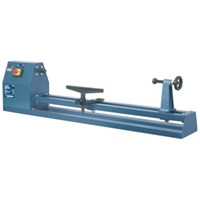
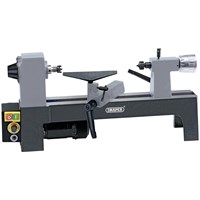
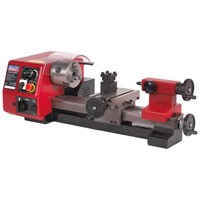
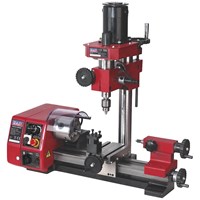
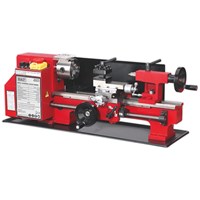
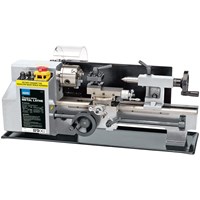
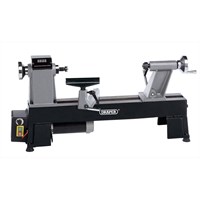
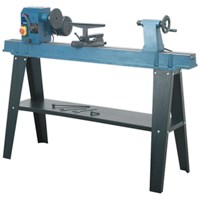
Lathes are essential machine tools that shape materials through rotational cutting, enabling precision manufacture of cylindrical, conical, and spherical components. MyToolShed.co.uk offers a comprehensive range covering both primary categories: metal lathes for engineering applications working with steel, aluminium, and brass; and wood lathes for turning timber into furniture components, bowls, and decorative items. From compact benchtop models suited to home workshops to robust floor-standing machines for professional environments, the selection caters to experienced machinists, woodturners, and ambitious DIY enthusiasts alike.
Modern lathes incorporate variable speed control, digital readouts, and precision threading capabilities whilst maintaining the fundamental principle of rotating the workpiece against cutting tools. Key specifications include swing over bed (maximum diameter capacity) and distance between centres (maximum length capacity), with typical wood lathes offering 250-450mm swing and metal lathes providing 200-300mm swing for workshop models. MyToolShed.co.uk stocks machines powered by standard 240v single-phase supply, ensuring compatibility with UK workshop electrical installations.
Applications
- Engineering Machinists: Precision manufacturing of custom components, threaded fasteners, and machinery repairs
- Professional Woodturners: Creating bespoke furniture elements, artistic pieces, and decorative items
- Model Engineers: Fabricating scale engine components and mechanical assemblies requiring tight tolerances
- Furniture Makers: Producing chair legs, table supports, finials, and architectural woodwork
- Maintenance Engineers: On-site fabrication of replacement shafts, bushings, and repair components
- Craft Workers: Turning high-value items including pens, bottle stoppers, and decorative boxes
- Agricultural Engineers: Workshop-based repair and manufacture of farm machinery components
- Educational Establishments: Teaching metalwork, engineering, and woodworking skills in schools and colleges
Choosing The Right Lathes
Identify Your Material: Wood lathes and metal lathes are fundamentally different machines. Timber work requires a wood lathe with tool rest support, whilst metalworking demands the rigidity and precision tool mounting of an engineering lathe.
Assess Capacity Needs: Measure your largest anticipated workpiece diameter and length, allowing margin for future projects. Consider both swing over bed and distance between centres to ensure adequate capacity.
Speed Range Requirements: Variable speed control is highly desirable. Large diameter work requires slower speeds (300-600 RPM), whilst finishing operations benefit from higher speeds (2000-3000 RPM). Electronic variable speed offers convenience over stepped pulley systems.
Motor Power: Wood lathes typically feature 500-1000W motors sufficient for hardwoods. Metal lathes require 750-1500W for workshop applications. Verify your electrical supply can support the motor's current draw on standard 240v circuits.
Construction Quality: Cast iron construction provides superior vibration damping and longevity compared to fabricated frames. Examine bed straightness, check for play in moving components, and prioritise established brands for precision and durability.
Workshop Space: Allow 1.5 metres clearance left of the headstock and 1 metre behind for operator movement. Benchtop models require sturdy workbenches, whilst floor-standing machines need level concrete floors supporting 100-200kg.
Frequently Asked Questions
What's the difference between wood lathes and metal lathes?
Wood lathes are designed for hand-held tool operation with adjustable tool rests, running at higher speeds suitable for timber. Metal lathes feature rigid tool mounting systems, compound slides for precise positioning, and lower speeds appropriate for cutting metals. Metal lathes are considerably more robust and expensive due to the greater forces involved in metalworking.
What size lathe do I need for typical workshop projects?
For general woodturning including spindle work and small bowls, a lathe with 300mm swing and 750mm between centres handles most projects. Engineering work typically requires 200-250mm swing metal lathes with 500-750mm capacity. Specialist applications like pen turning need minimal capacity, whilst furniture making demands longer bed lengths.
Do lathes require special electrical supply?
Most workshop lathes available from MyToolShed.co.uk operate on standard 240v single-phase supply. Ensure your circuit can handle the motor's amperage—typically 13A for smaller machines, with larger models requiring 16A circuits. Always verify electrical requirements before purchase and ensure proper earthing with RCD protection.