
Ladies Work Jackets

Pay in 3 interest-free payments on purchases from £20-£3000 with  . Learn more.
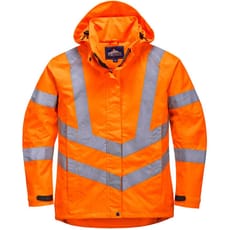
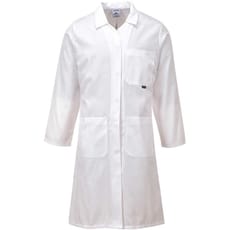
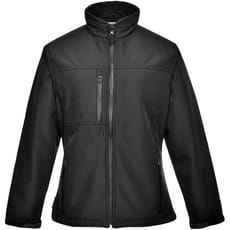
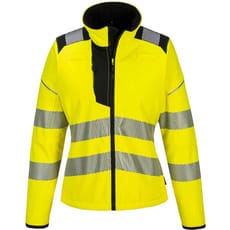
 Loading...
End of content
Error - No more pages to load
About Ladies Work Jackets
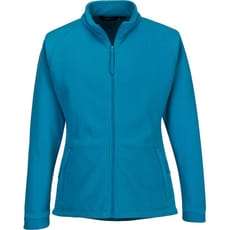
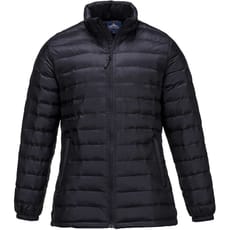
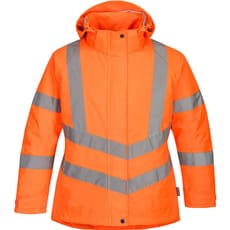
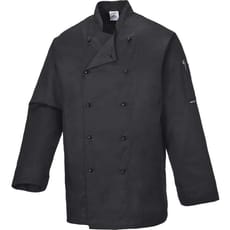
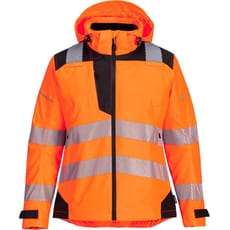
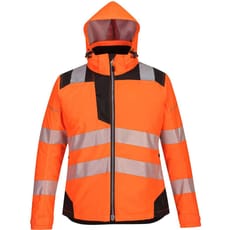
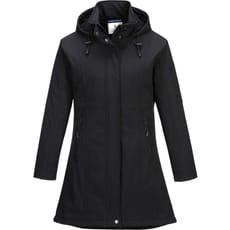
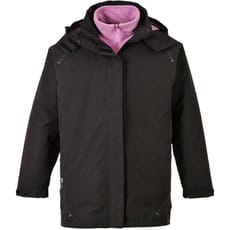
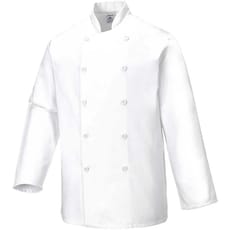
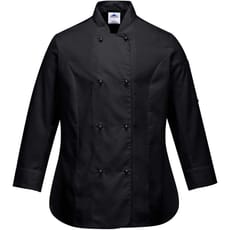
Ladies work jackets at MyToolShed.co.uk are specifically designed and tailored for women working in demanding professional environments. Unlike unisex workwear simply sized down, these jackets feature proper anatomical tailoring that accounts for differences in shoulder width, waist definition, and sleeve length, ensuring comfort without compromising safety or mobility. The collection includes hi-vis jackets meeting Class 2 and Class 3 EN ISO 20471 standards for construction and roadside work, softshell jackets for flexibility and weather resistance, padded jackets for cold environments, chef jackets for food service professionals, and versatile fleeces for layering.
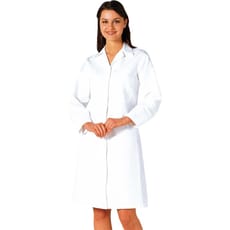
Featuring predominantly Portwest products alongside quality 300D Oxford Weave options, MyToolShed stocks trusted professional workwear combining affordability with compliance to UK and European safety standards. From high-visibility PW3 range jackets with segmented reflective tape to specialised food industry coats meeting hygiene requirements, each garment is engineered for its specific application with technical features including waterproof membranes, breathable fabrics, reinforced stress points, and multiple practical pockets.
Applications
Ladies work jackets are essential across numerous trades and industries:
- Construction and site work – operatives, labourers, and supervisors requiring hi-vis protection and weather resistance
- Highway maintenance and traffic management – council workers and contractors working on or near roads
- Logistics and delivery – couriers, warehouse operatives, and distribution centre staff
- Utilities and services – electricians, gas engineers, and telecoms technicians working outdoors
- Groundskeeping and landscaping – outdoor workers needing durable all-weather protection
- Food service and production – chefs, kitchen staff, and food manufacturing workers requiring hygienic, compliant garments
- Rail, aviation, and transport – ground crew requiring high-visibility garments
- Event management – marshals, security, and site crew needing professional visibility
Choosing The Right Ladies Work Jackets
Identify protection requirements: Determine whether you need hi-vis jackets meeting Class 2 or Class 3 standards for traffic environments, waterproof membranes for wet conditions, insulated padding for cold storage, breathable softshells for active work, or food-safe chef jackets with hygienic fastenings.
Verify compliance standards: Ensure jackets meet relevant EN ISO 20471 certification for hi-vis work or food hygiene regulations for catering environments. Your employer or HSE guidelines can advise on specific industry requirements.
Consider fit and comfort: Proper anatomical tailoring ensures jackets fit across shoulders without excess fabric, allow full arm movement, and provide sufficient length when bending. Check sizing guides carefully and consider whether you'll layer underneath.
Assess functionality: Evaluate pocket placement for tools and valuables, fastening systems for ease with gloves, adjustable features like cuffs and hems, and whether removable linings offer year-round versatility.
Evaluate durability: Examine fabric weight and construction quality. Oxford weave fabrics and reinforced stress points extend garment life, particularly important for roles requiring frequent washing.
Safety Information
Hi-visibility garments must meet EN ISO 20471 standards appropriate to your risk level. Class 3 is legally required for high-risk environments including motorways, major construction sites, and railway work. Class 2 suits medium-risk areas with lower traffic speeds. Regularly inspect reflective tape for damage – compromised visibility may render garments non-compliant under UK Health and Safety legislation.
For food industry jackets, hygiene compliance is critical. Launder according to food safety protocols and ensure fastenings won't contaminate food. Replace hi-vis jackets when reflective properties deteriorate, typically after significant fading or according to manufacturer wash cycle guidance. Work jackets complement rather than replace other required PPE such as hard hats and safety footwear.
Frequently Asked Questions
What's the difference between ladies and unisex work jackets?
Ladies work jackets feature anatomical tailoring designed specifically for the female form, with adjustments to shoulder width, waist definition, and sleeve proportions. This provides better fit, comfort, and range of movement compared to unisex jackets based on male patterns. Proper fit isn't just comfort – ill-fitting jackets can compromise safety by restricting movement or creating excess fabric that catches on equipment.
How do I know if I need Class 2 or Class 3 hi-vis?
Class 3 hi-vis is mandatory for high-risk situations including motorways, major construction sites, and environments with traffic exceeding 30mph. Class 2 suits lower-risk environments with slower traffic and warehouse work. Your employer should specify requirements based on their risk assessment, or consult HSE guidance if self-employed.
Can softshell jackets replace waterproof ones?
Softshell jackets offer superior breathability and flexibility for active work, providing excellent wind resistance and light rain protection whilst preventing the clammy feeling of waterproofs. However, they're not suitable for prolonged heavy rain. Many professionals use softshells for general work and keep waterproof jackets available for severe weather conditions.