

Ladders
Pay in 3 interest-free payments on purchases from £30-2000 with  . Learn more.
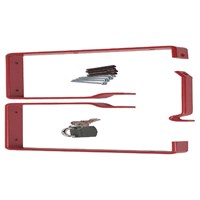
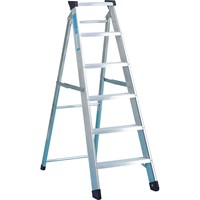
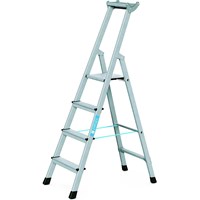
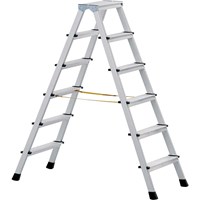
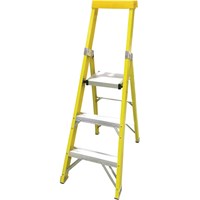
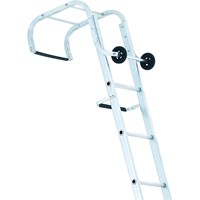
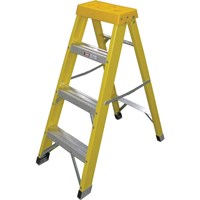
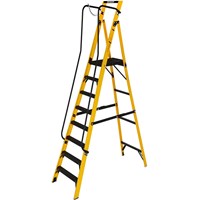
 Loading...
End of content
Error - No more pages to load
About Ladders
Whether you're a professional tradesperson working on site or a DIY enthusiast tackling home improvements, having the right ladder is essential for safe and efficient access to height. MyToolShed.co.uk stocks a comprehensive range of ladders from compact step stools for light domestic tasks to heavy-duty extension ladders designed for demanding trade applications. Our selection includes trusted brands that meet rigorous UK safety standards, ensuring you can work at height with complete confidence.
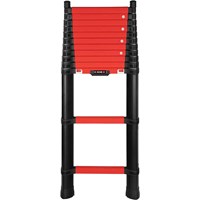
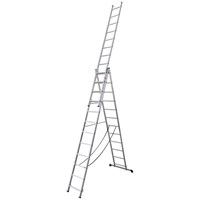
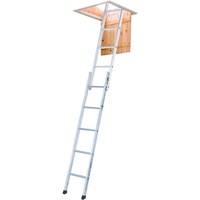
The ladders category at MyToolShed.co.uk is organised into specialist subcategories including combination ladders, telescopic ladders, step ladders, roof ladders, loft ladders, and safety ladders. You'll find aluminium ladders for lightweight portability, fibreglass models for electrical work where non-conductivity is crucial, and robust industrial-grade options for heavy trade use. Each type is engineered to meet EN131 safety standards with load ratings clearly marked to suit different applications.
Applications
Ladders are fundamental tools across numerous trades and applications throughout the UK:
- Electricians: Require fibreglass or non-conductive ladders for safe electrical installation work near live circuits
- Painters and Decorators: Need stable platforms for interior and exterior painting, often choosing combination ladders for versatility
- Window Fitters and Cleaners: Rely on extension ladders with stabiliser bars for safe access to upper storey windows
- Builders and General Contractors: Use heavy-duty trade ladders daily for construction, maintenance, and renovation projects
- Plumbers and Heating Engineers: Need portable access equipment for boiler installations and pipe work at height
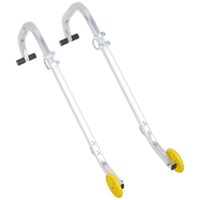
- Roofers: Require specialist roof ladders with ridge hooks for secure access on pitched roofs
- Facilities and Maintenance Teams: Use step ladders for routine building maintenance, lighting changes, and inspection work
- DIY Enthusiasts: Need reliable domestic ladders for guttering maintenance, hedge trimming, and home improvement projects
Choosing The Right Ladders
Working Height: Measure the maximum height you need to reach, then add 1-1.5 metres to determine the required working height. Extension ladders should overlap by at least three rungs when extended for safety.
Load Rating and Duty Class: For trade use, always choose EN131-2 professional-grade ladders rated for your weight plus tools and materials (typically 150kg). DIY users can opt for EN131-1 domestic ratings for occasional home use.
Material Construction: Aluminium ladders offer excellent strength-to-weight ratio for general trade work. Fibreglass ladders are essential for electrical work due to their non-conductive properties. Consider lightweight options if moving ladders frequently throughout the day.
Ladder Type: Step ladders suit indoor work with stable platforms. Extension ladders are ideal for exterior work and accessing roofs. Combination ladders offer maximum versatility, whilst telescopic ladders excel where storage space is limited.
Safety Information
Working at height remains one of the most common causes of workplace injuries in the UK. Always inspect ladders before use for damage, cracks, or bent components. The HSE recommends the 1-in-4 rule for positioning extension ladders: for every four metres of height, the base should be one metre away from the wall. Ensure ladders are placed on firm, level ground and never overreach—keep your belt buckle between the stiles. Maintain three points of contact when climbing and never stand on the top three rungs of an extension ladder. For electrical work, only use fibreglass or non-conductive ladders to prevent conductivity risks.
Frequently Asked Questions
What's the difference between Class 1 and Class 3 ladders?
Class 1 (EN131-2 Professional) ladders are built for trade use with higher load ratings and robust construction to withstand daily professional use. Class 3 (EN131-1 Domestic) ladders are designed for occasional home use with lower load capacities. Tradespeople should always choose Class 1 for HSE compliance and insurance purposes.
Can I use an aluminium ladder for electrical work?
No—never use aluminium ladders for electrical work as aluminium conducts electricity. The HSE requires electricians to use fibreglass or non-conductive ladders when working near electrical installations or overhead power lines. This is critical for safety and professional indemnity insurance compliance.
How do I know what working height I need?
Measure the highest point you need to reach, then check the ladder's working height specification—not just its platform height. Working height accounts for your reach whilst standing safely on the ladder. As a guide, add 1-1.5 metres to the highest point you need to access.