
Ladders & Sack Trucks
Pay in 3 interest-free payments on purchases from £30-2000 with  . Learn more.
 Loading...
End of content
Error - No more pages to load
About Ladders & Sack Trucks
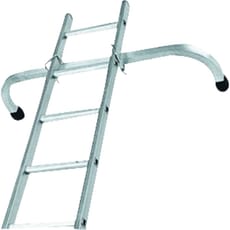
Working safely at height and moving heavy loads efficiently are fundamental requirements across countless trades and industries. The Ladders & Sack Trucks category at MyToolShed.co.uk brings together essential access equipment and materials handling solutions for professional tradespeople and serious DIY enthusiasts. From lightweight stepladders for domestic decorating to heavy-duty pallet trucks capable of shifting substantial loads across warehouses and construction sites, this comprehensive range covers every application.
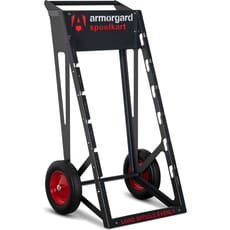
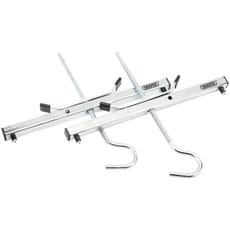
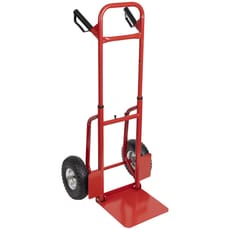
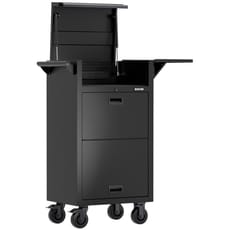
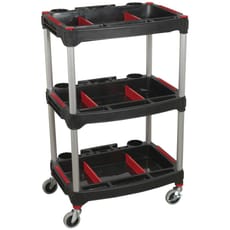
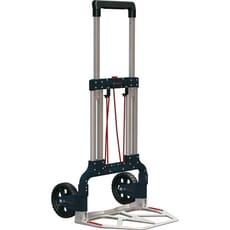
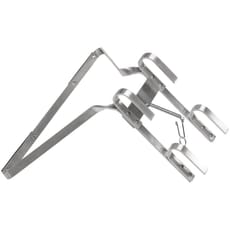
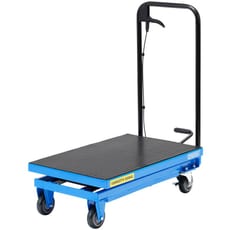
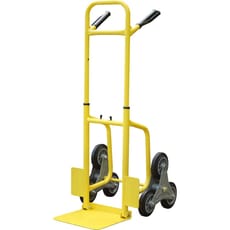
This category encompasses four key product areas: traditional ladders including extension ladders, step ladders, and versatile combination models; pallet and sack trucks for transporting boxed goods, building materials, and heavy items; platform trucks offering stable bases for awkward or bulky loads; and trolleys with ramps providing flexible materials handling across different environments. MyToolShed stocks equipment from leading manufacturers who understand the demanding conditions faced by UK professionals daily.
Applications
Ladders and materials handling equipment serve diverse trades and industries:
- Builders and construction workers requiring safe access for brickwork, rendering, and general building tasks, plus sack trucks for moving materials around sites
- Electricians and plumbers needing reliable access to ceiling spaces, electrical installations, and pipework at height
- Decorators and painters spending extended periods working on interior and exterior projects
- Warehouse operatives and logistics staff moving pallets, boxes, and heavy goods in distribution centres
- Delivery drivers transporting parcels and goods from vehicles to customers
- Retail and hospitality workers accessing stockrooms, changing displays, and moving supplies
- Maintenance teams requiring versatile access equipment for building upkeep and facilities management
- Landscapers transporting tools, materials, and equipment across sites
- DIY enthusiasts tackling home renovation, decorating, and maintenance projects
Choosing The Right Ladders & Sack Trucks
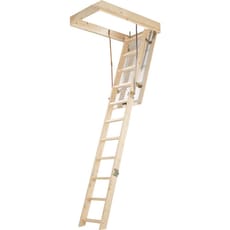
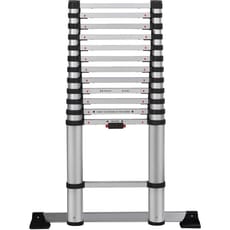
For Ladders: Assess the maximum height you need to reach regularly, remembering not to stand on the top two rungs. Consider where you'll work—combination ladders offer versatility for tradespeople across different sites, whilst fixed-height stepladders suit specific repeated tasks. Check the duty rating matches your requirements (Class 1 for heavy trade use, Class 3 for domestic DIY) and ensure compliance with BS EN 131 standards. Look for non-slip feet, comfortable rungs, and integrated tool trays if working at height for extended periods.
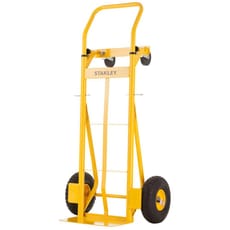
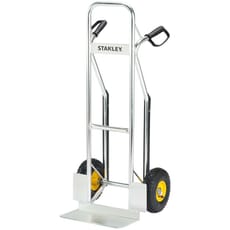
For Sack Trucks and Handling Equipment: The safe working load (SWL) is paramount—calculate typical load weights and select equipment with appropriate capacity plus a safety margin. Consider your working environment: pneumatic tyres work better on rough ground and construction sites, whilst solid rubber tyres suit smooth warehouse floors. Handle height affects user comfort, particularly when multiple staff share equipment. Folding designs offer storage advantages for mobile tradespeople, whilst fixed-frame models provide maximum strength for heavy-duty applications. Aluminium construction delivers excellent strength-to-weight ratio for professional use, whilst steel frames offer ultimate durability for demanding industrial conditions.
Safety Information
Working at height and manual handling account for many UK workplace injuries. When using ladders, maintain three points of contact, position at the correct angle (approximately 75 degrees), and secure at the top or foot at the base. Never over-reach—reposition the ladder instead. Inspect equipment before each use for damage, worn feet, or loose components, withdrawing damaged items from service immediately.
For sack trucks and handling equipment, never exceed the stated SWL as this compromises stability and can cause equipment failure. Assess loads before moving, use proper manual handling techniques, and ensure loads are balanced and secured. Take particular care on slopes, ramps, and uneven surfaces. Wear appropriate safety footwear with steel toe caps when moving heavy loads, and conduct regular maintenance checks on wheels, handles, and frames.
Frequently Asked Questions
What's the difference between Class 1 and Class 3 ladders?
Class 1 ladders are designed for heavy-duty professional trade use with higher load capacities (typically 175kg), whilst Class 3 ladders are rated for light domestic DIY use (maximum 125kg). Tradespeople should always choose Class 1 or EN131 Professional rated ladders for safety and durability.
Are pneumatic or solid tyres better for sack trucks?
Pneumatic tyres provide better shock absorption and work well on rough ground, construction sites, and uneven outdoor surfaces. Solid rubber or polyurethane tyres are puncture-proof, maintenance-free, and ideal for smooth warehouse or shop floors. For varied work environments, pneumatic tyres offer greater versatility.
What size ladder do I need for bungalow maintenance?
For typical UK bungalows with eaves around 2.4-3 metres high, a combination or extension ladder with maximum extended height of 4.5-5.5 metres provides safe access to gutters and roofwork. Remember the 4:1 positioning rule and ensure at least 1 metre of ladder extends above the step-off point.