

Joint Rakers
Pay in 3 interest-free payments on purchases from £30-2000 with  . Learn more.
 Loading...
End of content
Error - No more pages to load
About Joint Rakers
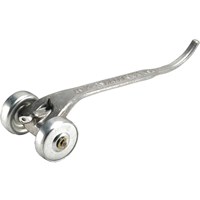
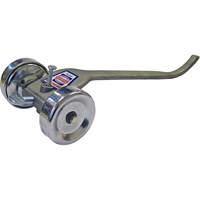
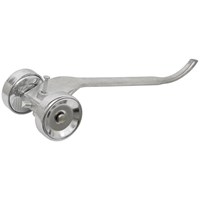
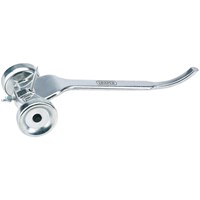
Joint rakers are specialised masonry tools designed to remove deteriorated, loose or damaged mortar from between bricks, blocks and stonework. Whether preparing walls for repointing, restoring heritage buildings or maintaining modern brickwork, these precision tools feature hardened steel blades or wheels that efficiently cut through old mortar whilst minimising damage to surrounding masonry. MyToolShed.co.uk stocks professional joint rakers from trusted brands including Marshalltown, Faithfull, Draper and Sealey.
Available in several designs to suit different applications, joint rakers range from traditional hand-held models with replaceable blades to skate wheel variants that roll along joints for consistent depth removal. The right tool transforms laborious chiselling work into a controlled, productive operation, removing mortar to the optimal depth of 15-20mm to ensure fresh pointing material bonds effectively with existing masonry for weather-tight, long-lasting repairs.
Applications
- Bricklayers and stonemasons conducting restoration and maintenance on masonry structures
- General builders preparing walls for repointing during renovation projects
- Heritage restoration specialists working on listed buildings and conservation areas
- Property maintenance contractors carrying out building repairs
- Pointing specialists focused on mortar joint restoration
- DIY enthusiasts tackling home improvement repointing projects
- Landscape gardeners maintaining brick walls, raised beds and garden structures
- Facilities managers overseeing commercial building maintenance
Choosing The Right Joint Rakers
Selecting the appropriate joint raker depends on your specific repointing requirements. Consider the mortar type you'll be removing – harder cement-based mortars require robust tools with carbide-tipped or hardened steel cutting edges, whilst softer lime mortars found in older properties need gentler approaches to prevent damaging historic brickwork.
Project scale significantly influences tool choice. For extensive repointing covering large wall areas, skate wheel joint rakers offer reduced fatigue and consistent depth control through their rolling action. Smaller repairs or detailed restoration work suit traditional blade-style rakers that provide greater precision in tight spaces and irregular joints.
Joint dimensions matter – ensure your chosen raker can access the specific widths you're working with. Standard brick joints typically measure 10mm wide, but stone walls may feature considerably wider joints requiring appropriately sized tools. Check whether blades are replaceable, as this extends tool life and reduces long-term costs. MyToolShed.co.uk offers both blade and skate wheel designs to suit all repointing applications.
Safety Information
Joint raking generates significant dust containing silica, cement and lime particles. Always wear appropriate respiratory protection meeting HSE standards – a reusable half-mask respirator with P3 filters offers superior protection for prolonged work. Eye protection is essential as mortar fragments can dislodge unexpectedly during raking.
Wear heavy-duty work gloves to protect hands from sharp tool edges and abrasive masonry surfaces. When working at height, ensure all tools are properly secured and follow HSE guidance. Take regular breaks to avoid repetitive strain injury, particularly with blade-style rakers requiring repetitive hand movements.
Frequently Asked Questions
How deep should I rake mortar joints before repointing?
Generally, mortar should be removed to 15-20mm depth (approximately twice the joint width) to provide sufficient depth for new mortar to key properly. Heritage buildings with lime mortar may require slightly shallower depths to avoid damaging softer bricks. Always rake to consistent depth for professional results.
What's the difference between a blade raker and a skate wheel raker?
Blade-style rakers use a replaceable cutting edge offering precise control but requiring more physical effort. Skate wheel rakers feature a hardened steel wheel that rolls along joints, removing mortar with less fatigue and more consistent depth. Wheel rakers excel on extensive projects, whilst blade types suit detailed work and tighter spaces.
Can I use a joint raker on stone walls as well as brickwork?
Yes, joint rakers work effectively on stone walls, though you may need to adjust your technique depending on joint width. Stone walls often feature wider, more irregular joints than standard brickwork, so ensure your chosen tool can accommodate these dimensions.