
Internal Sockets

Pay in 3 interest-free payments on purchases from £20-£3000 with  . Learn more.
 Loading...
End of content
Error - No more pages to load
About Internal Sockets
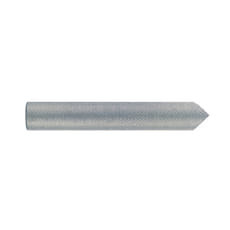
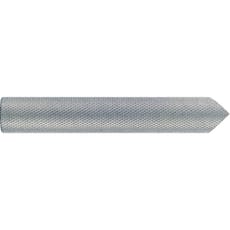
Internal sockets, also known as internally threaded resin sockets or sleeve anchors, are specialist fixings that create secure, load-bearing threaded anchor points in solid substrates including concrete, brick, stone, and masonry. These precision-engineered components feature a cylindrical sleeve with internal threads that accept standard bolts, providing adjustable, removable, or replaceable fixings for professional construction and engineering applications. MyToolShed.co.uk stocks internal sockets from Rawlplug, a trusted manufacturer in the professional fixings sector, with options available in A2 and A4 stainless steel, plus zinc-plated variants.
Internal sockets are typically used with chemical resin anchoring systems, where the socket is placed into a pre-drilled hole, resin is injected around it, and once cured, creates an exceptionally strong fixing point capable of withstanding significant tensile and shear loads. Unlike mechanical anchors, these threaded sockets allow bolts to be removed and replaced as needed without disturbing the anchor itself, making them ideal for applications requiring future maintenance or adjustment.
Applications
Internal sockets serve a wide range of professional trades and applications:
- Structural engineers – steel frame connections, beam-to-masonry attachments, and critical load-bearing fixings
- General builders and contractors – heavy equipment installation, securing structural elements in renovation and new-build projects
- Facade engineers and cladding specialists – mounting curtain walling systems, architectural features, and external cladding
- Steelwork fabricators – creating connection points for structural steelwork to concrete foundations
- Mechanical and electrical engineers – mounting heavy machinery, HVAC systems, and electrical distribution boards
- Facilities and maintenance managers – installing industrial equipment where regular access or adjustment is required
- Shopfitters – securing racking systems, shelving, and display fixtures to solid substrates
Choosing The Right Internal Sockets
Material selection: Choose A2 stainless steel for internal applications and standard external use. Specify A4 grade stainless steel for coastal locations, marine environments, or areas exposed to de-icing salts and chlorides. Zinc-plated options offer economical protection for less demanding internal applications.
Thread size: Select the socket thread size to match your bolt specification. Common metric sizes at MyToolShed.co.uk include M8, M10, M12, M16, and M20. Ensure thread pitch matches UK and European standards.
Load requirements: Calculate expected tensile and shear loads and select appropriately rated sockets. Consult manufacturer load tables and apply safety factors, especially for critical structural applications. Verify embedment depth requirements to achieve rated capacity.
Substrate condition: Internal sockets used with resin anchoring systems perform well in cracked concrete and accommodate variations in hole diameter. Always verify the base material meets minimum compressive strength requirements.
Frequently Asked Questions
What's the difference between A2 and A4 stainless steel internal sockets?
A2 stainless steel (304 grade) offers good corrosion resistance for most internal and general external applications. A4 stainless steel (316 grade) contains additional molybdenum, providing superior resistance to chlorides, making it essential for coastal environments, marine applications, or areas exposed to de-icing salts.
Can internal sockets be used in cracked concrete?
Yes, when used with appropriate chemical resin anchoring systems, internal sockets perform reliably in cracked concrete. The resin fills voids and bonds to the substrate, distributing loads effectively even in compromised base materials, making them superior to mechanical expansion anchors in such conditions.
Can I reuse the internal socket if I need to remove the bolt?
Yes, this is a primary advantage of internal sockets. Once installed and cured, the socket provides a permanent threaded anchor point that accepts standard bolts which can be removed and replaced as needed, ideal for applications requiring maintenance access or future modifications.