

Insulation Tape
Pay in 3 interest-free payments on purchases from £30-2000 with  . Learn more.
 Loading...
End of content
Error - No more pages to load
About Insulation Tape
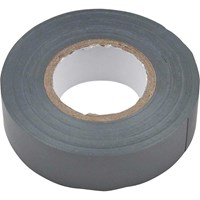
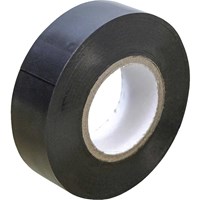
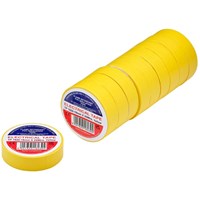
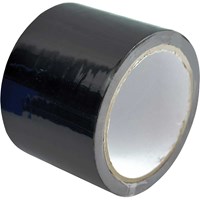
Insulation tape, more commonly known as electrical tape, is an essential product for professional electricians and DIY enthusiasts working on electrical installations and repairs. Manufactured primarily from flexible PVC (polyvinyl chloride), this versatile tape provides crucial electrical insulation for wires, connections, and cable joints in 240v domestic circuits. MyToolShed.co.uk stocks quality insulation tape from trusted brands including Faithfull, Sealey, Sirius, and Unibond, ensuring reliable performance that meets BS EN 60454 safety standards. Beyond electrical applications, insulation tape serves multiple purposes including cable bundling, colour-coding circuits, and weather-resistant sealing across various environments.
Available in single rolls for occasional home repairs or convenient multi-packs for busy tradespeople, our range includes standard PVC electrical tape in various colours alongside specialised options like Faithfull's agricultural silage tape. Quality insulation tape delivers excellent dielectric strength (typically 4,000-7,000 volts per layer), flame-retardant properties, and reliable performance across temperature ranges from -18°C to +105°C, making it suitable for both indoor and outdoor applications throughout the UK.
Applications
Insulation tape serves a wide range of trades and applications:
- Electricians and Electrical Contractors: Daily use for domestic, commercial, and industrial installations, repairs, and cable insulation on 240v circuits
- Maintenance Engineers: Equipment repairs, cable management, and emergency fixes across facilities
- Automotive Mechanics: Vehicle wiring repairs and protecting connections from moisture and vibration
- HVAC Engineers: Securing and insulating thermostat wiring and heating control circuits
- IT and AV Installers: Cable bundling, management, and colour-coding in network installations
- Farmers and Agricultural Workers: Silage tape for bale wrapping plus general farm electrical maintenance
- DIY Enthusiasts: Household electrical repairs, appliance fixes, and home improvement projects
- Theatre and Events Technicians: Securing lighting cables and stage marking applications
Choosing The Right Insulation Tape
Application Type: Standard PVC electrical tape suits most domestic 240v work, whilst specialised options like silage tape serve agricultural purposes. Ensure your tape meets BS EN 60454 standards for electrical safety compliance.
Voltage and Temperature Rating: Select tape with adequate dielectric strength for your application—domestic UK circuits require minimum 600v rating, though professional-grade 7,000v options provide additional safety margins. Consider temperature range requirements: indoor applications typically need -10°C to +80°C performance, whilst outdoor or automotive work benefits from extended -18°C to +105°C ratings.
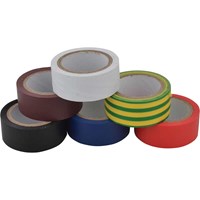
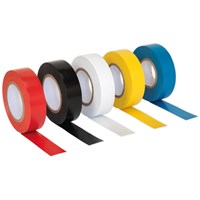
Colour and Quantity: Black remains the standard choice, but multi-coloured packs from brands like Unibond enable circuit identification and phase marking. MyToolShed.co.uk offers single rolls for occasional use or value multi-packs from Sealey (10-piece) for professional tradespeople requiring regular supplies.
Safety Information
Always isolate electrical circuits at the consumer unit before applying insulation tape. Use a voltage tester to confirm circuits are dead—never work on live 240v circuits. Apply tape with 50% overlap using minimum two complete layers, stretching slightly for proper adhesive activation. Insulation tape provides temporary insulation for low-voltage domestic circuits but should never replace proper cable connectors in junction boxes. Ensure all electrical work complies with BS 7671 (IET Wiring Regulations) and Building Regulations Part P where applicable. Regularly inspect taped connections and replace any deteriorating tape showing cracking or unwrapping.
Frequently Asked Questions
How many layers of insulation tape do I need for 240v circuits?
Apply a minimum of two complete layers with 50% overlap for adequate insulation on domestic 240v circuits. Professional installations often use three layers for additional safety margin. Stretch the tape slightly during application to ensure proper conformability and adhesive activation.
What's the difference between electrical tape and duct tape?
Insulation tape is specifically manufactured for electrical applications with flame-retardant PVC and dielectric properties to prevent current flow. Duct tape lacks these crucial safety features and should never be used on electrical circuits. Only proper PVC electrical tape meets BS EN standards for voltage resistance required for safe electrical work in the UK.
How long does electrical tape last once applied?
Quality PVC insulation tape typically maintains its properties for 3-5 years in indoor domestic environments. Outdoor applications or high-temperature locations may reduce this lifespan. Regularly inspect taped connections for signs of deterioration and replace immediately to maintain electrical safety standards.