

Inspection Mirrors
Pay in 3 interest-free payments on purchases from £30-2000 with  . Learn more.



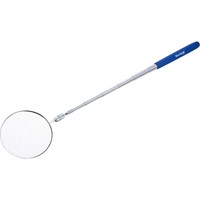
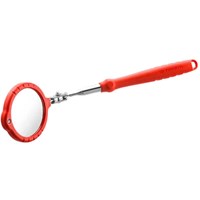

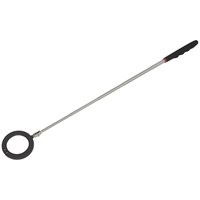

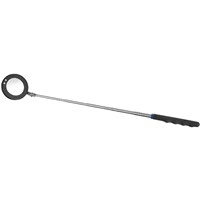
 Loading...
End of content
Error - No more pages to load
About Inspection Mirrors
Inspection mirrors are indispensable tools for tradespeople and DIY enthusiasts who need to see into confined, awkward spaces where direct line of sight is impossible. Whether you're a mechanic examining underneath a vehicle, a plumber checking behind pipework, or an electrician inspecting cable runs in tight voids, a quality inspection mirror eliminates guesswork and saves hours of unnecessary dismantling. MyToolShed.co.uk stocks a comprehensive range from trusted brands including Sealey, Facom, Draper, and ITL, offering everything from compact pocket mirrors to professional telescopic LED models.
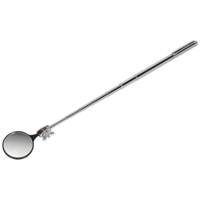
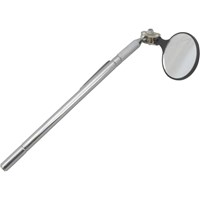
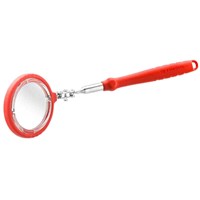
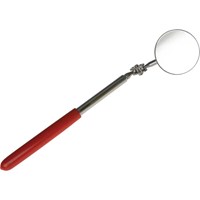
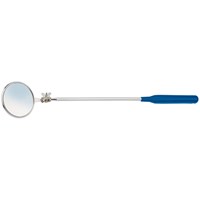
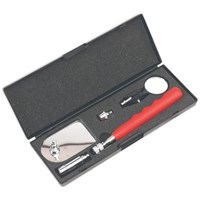
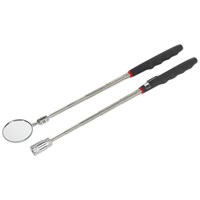
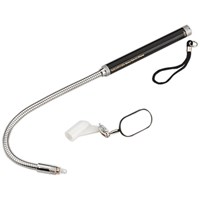
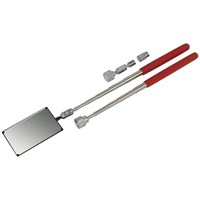
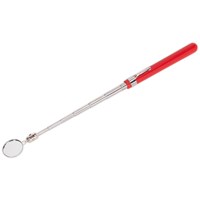
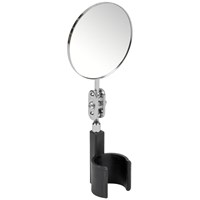
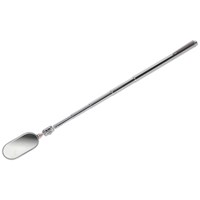
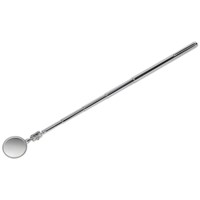
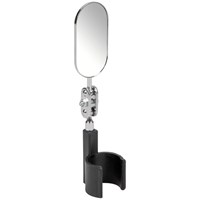
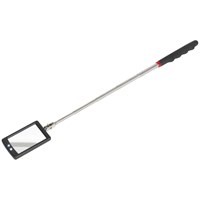
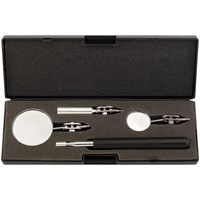
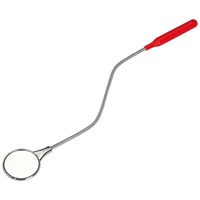
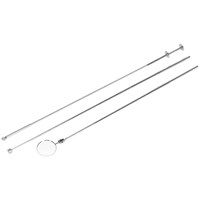
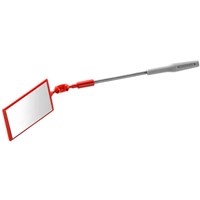
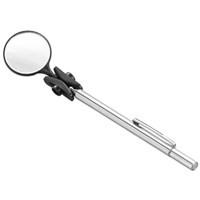
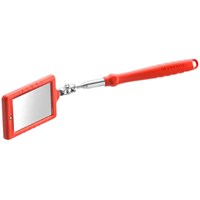
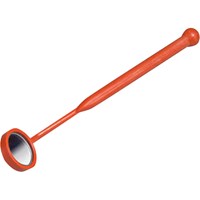
Modern inspection mirrors come in various configurations to suit different applications. Telescopic models extend your reach from 150mm to 900mm or more, whilst flexible inspection mirrors with bendable gooseneck shafts navigate around obstacles and corners. Many professional-grade options incorporate LED illumination for dark recesses, magnifying lenses for detailed component examination, and insulated handles for electrical work. Mirror shapes vary too—rectangular mirrors provide wider viewing areas, whilst round mirrors manoeuvre more easily in very tight spaces.
Applications
Inspection mirrors serve numerous trades and industries:
- Motor Mechanics and Vehicle Technicians: Inspecting underneath vehicles, checking exhaust systems, examining engine components, and viewing brake assemblies without lifting equipment
- Plumbers and Heating Engineers: Checking pipework behind walls, inspecting joints in confined spaces, and examining connections behind radiators and boilers
- Electricians: Viewing cable runs in ceiling voids, checking connections in back boxes, and inspecting wiring in tight electrical enclosures
- HVAC Technicians: Examining ductwork, checking for blockages in ventilation systems, and inspecting air conditioning components
- Plant and Machinery Engineers: Inspecting industrial equipment, checking for wear on moving parts, and examining areas requiring extensive dismantling
- Building Surveyors: Checking for damp, structural damage, or pest infestation in awkward locations
- DIY Enthusiasts: Home maintenance tasks, retrieving dropped items behind appliances, and general household repairs
Choosing The Right Inspection Mirrors
Handle Type: Consider whether you need a fixed-length handle for close-up work, a telescopic model for variable reach (typically 150-900mm), or a flexible shaft for navigating around obstacles. Telescopic options from Sealey and Facom provide excellent versatility for automotive and mechanical applications.
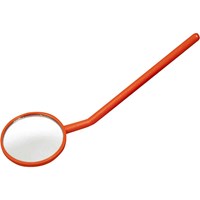
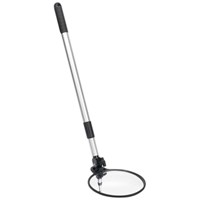
Mirror Size and Shape: Round mirrors between 30-50mm diameter suit confined areas, whilst rectangular mirrors offer superior visibility for general inspection. A 40-50mm round mirror provides the most versatile all-round performance.
Illumination: If you regularly work in poorly lit environments—engine bays, ceiling voids, or behind machinery—invest in an LED inspection mirror. Models with adjustable brightness provide maximum flexibility for varying conditions.
Build Quality: Professional-grade inspection mirrors from brands stocked at MyToolShed.co.uk feature robust construction with chrome-plated or stainless steel components that resist corrosion. Ensure mirrors use shatterproof glass or high-quality acrylic.
Electrical Safety: For electricians working near live installations, insulated inspection mirrors with non-conductive handles are essential. ITL offers specifically designed insulated models providing crucial protection against accidental contact with conductors.
Safety Information
Electrical Work: Always use insulated inspection mirrors when working near electrical installations. Standard mirrors with metal handles conduct electricity and pose serious electrocution risks. Isolate power wherever possible and follow HSE guidance.
Mirror Breakage: Inspect your mirror for cracks before use, as broken mirrors pose laceration risks. Consider shatterproof models for demanding workshop environments.
Working Overhead: When using telescopic inspection mirrors above head height, maintain stable footing. Extended mirrors can affect balance, particularly when reaching upward.
Frequently Asked Questions
What's the difference between telescopic and flexible inspection mirrors?
Telescopic inspection mirrors feature rigid, extendable handles providing excellent reach and stability for straight-line viewing at various distances. Flexible inspection mirrors have bendable gooseneck shafts that position around obstacles and hold their shape, perfect for navigating complex machinery or tight corners. Many professionals keep both types for different applications.
Are LED inspection mirrors worth the extra cost?
For professionals working in poorly lit environments—underneath vehicles, in ceiling voids, or behind machinery—LED inspection mirrors significantly improve visibility and inspection quality. The integrated lighting eliminates holding a separate torch, freeing both hands for positioning the mirror. If you regularly work in dark spaces, the investment quickly pays for itself through improved efficiency.
Can I use a standard inspection mirror for electrical work?
Only use inspection mirrors specifically rated for electrical work when inspecting near live installations. Standard mirrors with metal handles can conduct electricity, posing electrocution risks. Look for models with fully insulated, non-conductive construction. Best practice always involves isolating electrical supplies before inspection, following HSE guidelines and BS 7671 wiring regulations.