
Inspection Cameras

Pay in 3 interest-free payments on purchases from £20-£3000 with  . Learn more.
 Loading...
End of content
Error - No more pages to load
About Inspection Cameras
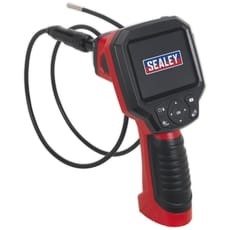
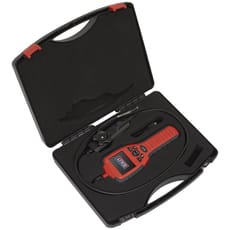
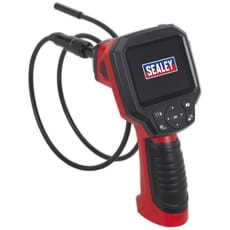
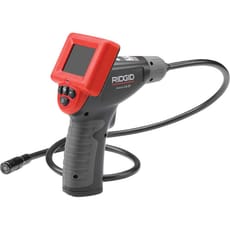
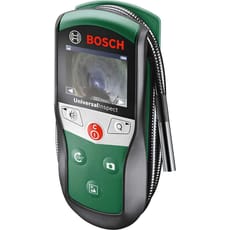
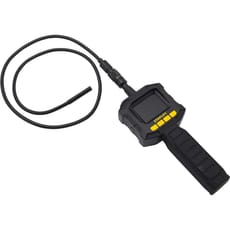
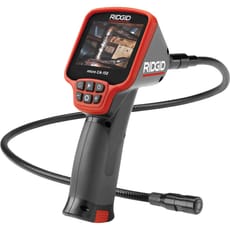
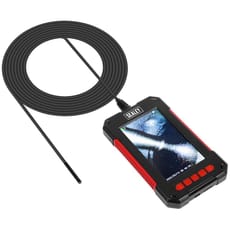
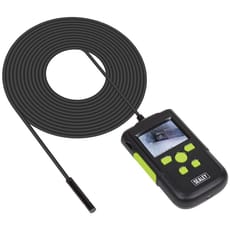
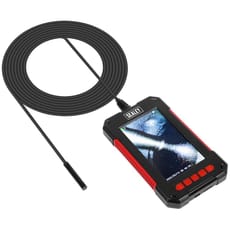
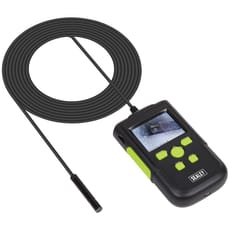
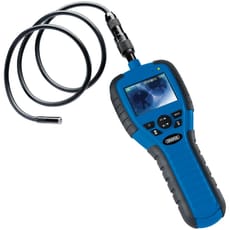
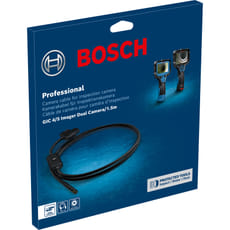
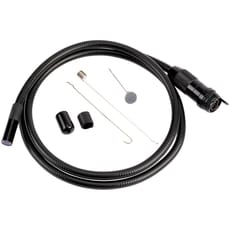
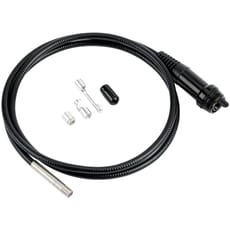
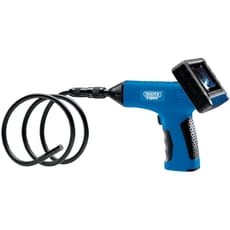
Inspection cameras, also known as borescopes or endoscopes, are essential diagnostic tools that enable tradespeople and engineers to visually examine hard-to-reach or enclosed spaces without costly dismantling. These sophisticated devices feature a flexible or rigid probe with an integrated camera head and LED lighting, connected to a display screen or mobile device, allowing you to see inside pipes, cavities, engines, electrical conduits, and other inaccessible areas. MyToolShed.co.uk stocks inspection cameras from leading manufacturers including Bosch Professional, Ridgid, Sealey, and Draper, with probe diameters ranging from 3.9mm for extremely tight spaces up to 8.5mm for enhanced image quality and durability.
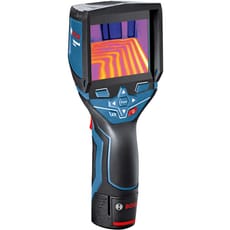
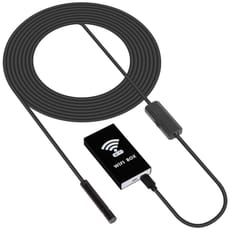
Modern inspection cameras have revolutionised fault-finding and preventative maintenance across numerous trades, featuring rechargeable batteries for cordless convenience, high-resolution displays, and recording capabilities for capturing photos and videos. Advanced models available at MyToolShed.co.uk include Wi-Fi connectivity options like the Sealey VS8113, dual camera systems, and specialised thermal imaging cameras such as the Bosch GTC 400 C that detect heat signatures for identifying electrical faults and insulation problems.
Applications
Inspection cameras are invaluable tools across numerous trades and industries:
- Plumbers and Heating Engineers – inspecting pipework, drains, radiators, and boiler heat exchangers for blockages, corrosion, and leaks
- Electricians – checking cable runs through walls and conduits, identifying connection issues in junction boxes, and inspecting electrical panels
- Motor Mechanics – examining engine cylinders, checking timing chains, inspecting exhaust systems, and investigating difficult-to-reach components
- Building Surveyors – assessing cavity walls, roof spaces, under floors, and behind cladding for structural issues or dampness
- HVAC Engineers – inspecting air conditioning units, ventilation ducting, and heating systems without full disassembly
- Maintenance Engineers – conducting preventative maintenance on industrial machinery and manufacturing equipment
- DIY Enthusiasts – investigating home maintenance issues and conducting property surveys
Choosing The Right Inspection Cameras
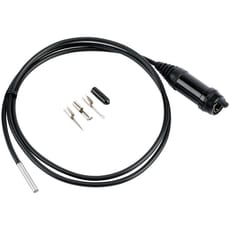
Probe Diameter and Cable Length: Consider the smallest access point you need to navigate. Draper's range includes 3.9mm probes for extremely tight spaces, 5.5mm for general use, and 8.5mm for improved durability. Cable lengths typically range from 1 metre for basic inspections to 5 metres or more for deep drainage work.
Display Type: Choose between integrated LCD screens, tablet displays, or smartphone connectivity via Wi-Fi. Models with Wi-Fi allow you to use your existing mobile device and easily share images with clients, whilst dedicated screens provide better visibility in bright sunlight.
Image Quality and Recording: Look for cameras with adequate resolution, adjustable LED lighting, and recording capability if you need to document findings for reports or insurance claims. Professional models from Bosch offer superior image sensors for clearer diagnostics.
Durability: Professional tradespeople should prioritise robust construction with high IP ratings (IP67 or IP68) for waterproofing and dust resistance, particularly important for plumbing and drainage applications.
Safety Information
Electrical Safety: Never insert inspection camera probes into live electrical equipment without first isolating the power supply. Even though cameras operate on low-voltage batteries, the probe could create a short circuit. Always follow safe isolation procedures in accordance with BS 7671 wiring regulations.
Contaminated Environments: When inspecting drains or sewers, wear appropriate PPE including gloves and eye protection. Thoroughly clean and disinfect probe heads after use in contaminated environments to prevent cross-contamination and health risks in accordance with COSHH regulations.
Frequently Asked Questions
Can I use an inspection camera in water-filled pipes?
Yes, provided the camera has an appropriate IP rating. Look for IP67 or IP68 rated probes, which are designed for submersion. Many professional models from Ridgid and Sealey are specifically designed for plumbing applications in wet environments.
What probe diameter should I choose for general building inspection work?
For versatile building survey work including cavity walls and roof spaces, a 5.5mm probe offers the best balance between access capability and image quality. Smaller 3.9mm probes suit extremely tight spaces, whilst 8mm or larger provides enhanced durability and clearer images.
Will my inspection camera work with my smartphone?
Some models connect directly to smartphones via Wi-Fi, allowing you to use a dedicated app for viewing and sharing images. Check the manufacturer's specifications at MyToolShed.co.uk for compatibility with iOS and Android devices.