
Industrial Pipe Benders

Pay in 3 interest-free payments on purchases from £20-£3000 with  . Learn more.
 Loading...
End of content
Error - No more pages to load
About Industrial Pipe Benders
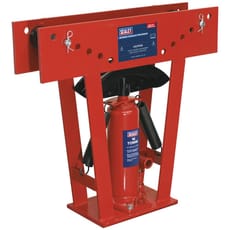
Industrial pipe benders are heavy-duty hydraulic machines designed to bend metal pipes and tubes with precision and power, making them essential equipment for professional tradespeople working with pipework. Unlike manual benders that rely on physical force, industrial models use hydraulic pressure to generate substantial bending force, allowing them to handle larger diameter pipes—typically from 10mm up to 100mm—and harder materials including steel, stainless steel, copper, and aluminium. MyToolShed.co.uk stocks professional-grade industrial pipe benders from trusted manufacturers like Sealey, featuring robust construction and reliable hydraulic systems built to withstand demanding workshop and site conditions.
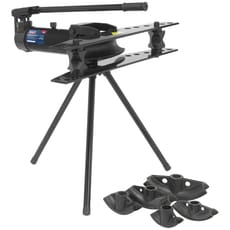
These machines come equipped with interchangeable formers and dies to accommodate various pipe diameters, with many models supplied on sturdy stands for stability during operation. The hydraulic action ensures smooth, kink-free bends that maintain pipe wall integrity whilst significantly reducing operator fatigue compared to manual methods. Whether you're fabricating custom exhaust systems, installing commercial heating pipework, or constructing structural frameworks, industrial pipe benders deliver consistent, accurate bends from 0° to 90° and beyond, meeting professional standards whilst dramatically reducing project time.
Applications
Industrial pipe benders are indispensable tools across numerous trades and industries:
- Plumbers and heating engineers installing central heating systems, underfloor heating, and commercial pipework installations
- Gas fitters working with steel and copper gas supply lines requiring precise, code-compliant bends
- Mechanical engineers fabricating hydraulic and pneumatic systems in industrial environments
- Vehicle mechanics and exhaust specialists creating custom exhaust systems and fuel lines
- Fabricators and metalworkers constructing frameworks, barriers, handrails, and structural pipework
- Agricultural engineers building and repairing machinery, irrigation systems, and farm equipment
- HVAC installers working with refrigeration lines and air conditioning pipework
- Maintenance teams in factories and industrial facilities requiring on-site pipe bending capabilities
- Construction contractors tackling commercial projects with extensive pipework requirements
Choosing The Right Industrial Pipe Benders
Pipe Diameter Capacity: Determine the maximum pipe sizes you'll work with regularly. Ensure the bender accommodates your most common diameters and that appropriate formers are included or available separately.
Hydraulic Tonnage: Higher tonnage ratings provide greater bending force for larger diameter pipes and harder materials. Industrial models typically offer between 10 and 30 tonnes of hydraulic pressure—essential for thick-walled steel and stainless steel applications.
Portability Requirements: Consider whether you need a portable unit for site work or a floor-standing model with robust stand for workshop use. Stand-mounted versions from MyToolShed.co.uk offer superior stability for precision bending, whilst portable units provide flexibility across different locations.
Material Compatibility: Verify the bender has sufficient capacity for the hardest materials you'll encounter. Stainless steel requires approximately 20-30% more force than mild steel of equivalent dimensions.
Build Quality: Look for heavy-gauge steel frames, quality hydraulic components, and precision-machined formers that maintain accuracy over time. Reputable brands like Sealey ensure reliable performance under professional demands.
Safety Information
Always wear appropriate PPE including safety boots with steel toe caps, heavy-duty work gloves, and safety glasses when operating industrial pipe benders. Never exceed the rated capacity or attempt to bend pipes larger than specified maximums. Inspect hydraulic hoses and connections regularly for wear or leakage, and release hydraulic pressure fully before adjusting formers. Ensure the machine is positioned on level, stable ground and properly secured before operation. Use proper manual handling techniques when manoeuvring long or heavy pipe sections, and keep the work area clear of obstructions.
Frequently Asked Questions
What's the difference between industrial and manual pipe benders?
Industrial pipe benders use hydraulic power to generate significantly greater bending force than manual benders, allowing them to handle larger diameter pipes (up to 100mm), thicker walls, and harder materials like steel and stainless steel. Manual benders rely on physical strength and are typically limited to smaller copper or aluminium pipes up to about 22mm. The hydraulic action also produces smoother, more consistent bends with less risk of kinking.
Can I bend stainless steel with an industrial pipe bender?
Yes, industrial hydraulic pipe benders available at MyToolShed.co.uk are designed to handle stainless steel, which is harder and more spring-resistant than mild steel. However, ensure your bender has sufficient hydraulic capacity for your pipe diameter and wall thickness, as stainless steel requires approximately 20-30% more bending force than mild steel of the same dimensions.
How do I prevent pipes from collapsing during bending?
Use the correct former size for your pipe diameter—the former radius must be appropriate for the wall thickness. Position the pipe correctly in the former and ensure the former shoe properly supports it throughout the bend. For thin-walled pipes, you may need special techniques, though most industrial applications use schedule 40 or heavier pipe that bends cleanly with proper setup and technique.