
Holesaws

Pay in 3 interest-free payments on purchases from £20-£3000 with  . Learn more.
 Loading...
End of content
Error - No more pages to load
About Holesaws
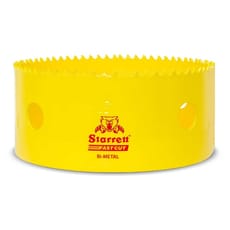
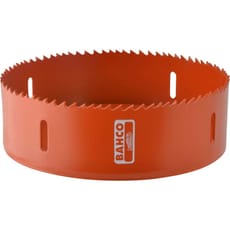
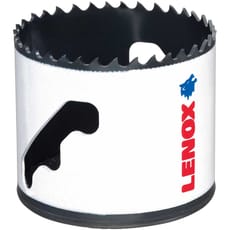
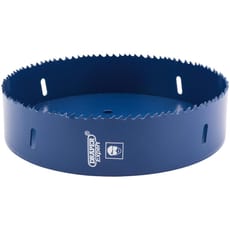
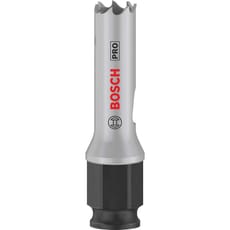
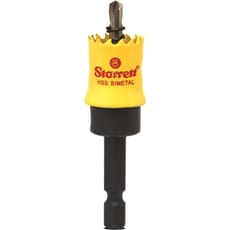
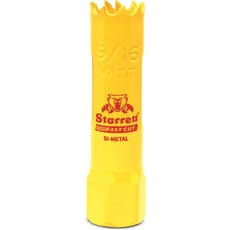
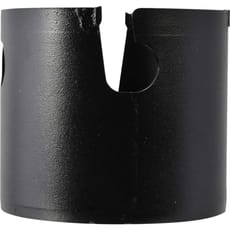
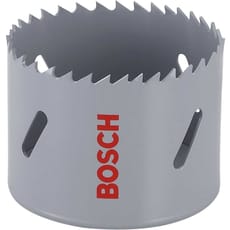
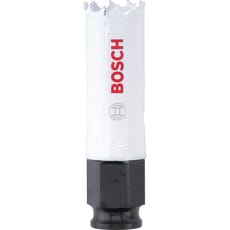
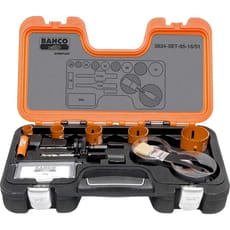
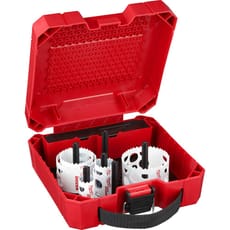
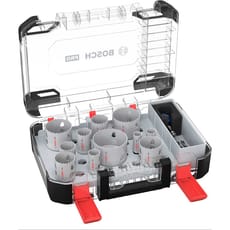
Holesaws are cylindrical cutting tools designed to create perfectly round holes in wood, metal, plastic, and composite materials. Unlike standard drill bits, holesaws feature cutting teeth around a circular edge that remove material efficiently whilst leaving a core plug, making them essential for installing pipes, cables, lighting fixtures, and door hardware. MyToolShed.co.uk stocks professional-grade bi-metal holesaws from leading brands including Bosch Professional and Bahco, available as individual cutters or comprehensive sets with mandrels and multiple diameters.
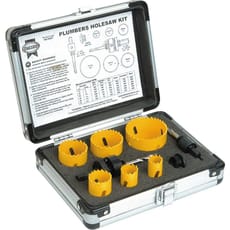
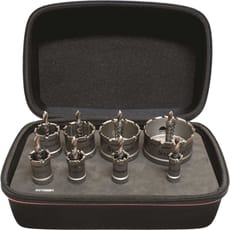
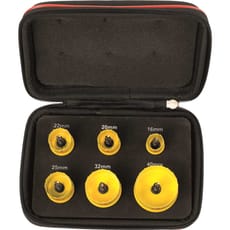
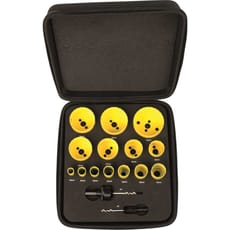
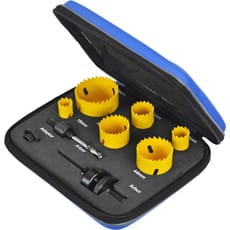
Our range includes specialist options for every trade requirement: electricians' sets with sizes for back boxes and downlighters, plumbers' kits featuring larger diameters for pipework, and carbide-tipped multi-construction holesaws for demanding materials like tiles and masonry. Sizes span from compact 16mm cutters through to large diameter models exceeding 100mm, covering both metric and imperial specifications to suit UK trade standards.
Applications
Holesaws are versatile tools used across numerous trades and projects:
- Electricians - Installing back boxes, cable entry points, downlighters, and conduit penetrations
- Plumbers - Creating clearance holes for waste pipes, radiator pipework, and shower installations
- Carpenters and joiners - Fitting door locks, handles, curtain poles, and routing cables through joinery
- HVAC engineers - Cutting ventilation grilles, extractor fan outlets, and ducting penetrations
- Kitchen and bathroom fitters - Installing taps, waste outlets, and appliance connections
- General builders - Service penetrations through various materials for fixtures and fittings
- DIY enthusiasts - Home improvement projects including lighting upgrades and fixture installations
Choosing The Right Holesaws
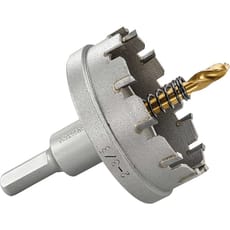
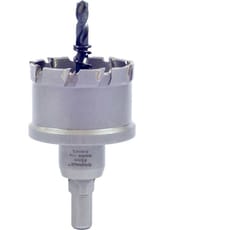
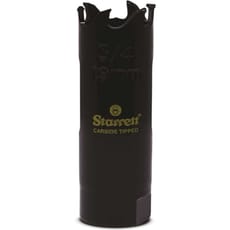
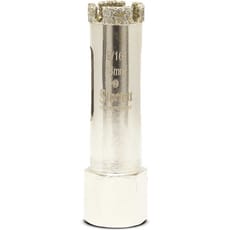
Material compatibility: Bi-metal holesaws handle wood, metal, and plastic effectively for general trade work. Carbide-tipped or diamond-grit models are essential for tiles, masonry, and abrasive composite materials that would quickly dull standard teeth.
Diameter requirements: Consider whether individual sizes or complete sets suit your needs. Electricians typically require 16-25mm for back boxes, whilst plumbers often need 32-110mm for pipework. Trade-specific sets from MyToolShed.co.uk bundle the most useful sizes for particular professions.
Build quality: Professional bi-metal construction with variable pitch teeth reduces vibration and extends blade life. Look for electron beam welded tooth connections that prevent premature tooth loss under demanding site conditions.
Mandrel type: Quick-change arbors significantly speed up work when using multiple diameters. Some sets include multiple mandrels for different size ranges, ensuring compatibility across various holesaw diameters.
Safety Information
Always wear safety glasses to protect against flying debris and metal shavings. Firmly secure workpieces before cutting—holesaws can grab unexpectedly during breakthrough, causing dangerous spinning. Use cable and pipe detectors before drilling into walls or ceilings to avoid hidden electrical cables or plumbing. Start slowly to establish the pilot hole, applying steady moderate pressure rather than forcing the saw. Allow holesaws to cool after cutting metal as they become extremely hot. Use proper plug ejection tools rather than fingers to remove cores, as cut edges are extremely sharp.
Frequently Asked Questions
What's the difference between bi-metal and carbide holesaws?
Bi-metal holesaws feature high-speed steel teeth welded to a spring steel body, ideal for wood, metal, and plastic—the professional standard for general trade work. Carbide-tipped models have extremely hard cutting surfaces designed for abrasive materials like tiles, brick, and fibre cement that would quickly destroy standard teeth. Carbide costs more but is essential for multi-material construction work.
What size holesaws do I need for common electrical work?
UK electricians typically require 16mm for single gang back boxes, 25mm for double gang boxes, and 20-22mm for cable entries. For downlighters, 65-90mm covers most LED and GU10 installations. Comprehensive electricians' sets from MyToolShed.co.uk usually include 16mm, 20mm, 25mm, and 32mm sizes.
How do I remove the cut plug from inside the holesaw?
Most holesaws have slots in the side wall for inserting a screwdriver to lever out plugs. Professional models may include ejection springs that automatically push cores out. For stubborn plugs, drilling a small hole through the waste material allows you to push it out from behind. Never force fingers into holesaws—teeth and cut edges are extremely sharp.