
Hoists & Chain Blocks

Pay in 3 interest-free payments on purchases from £20-£3000 with  . Learn more.


 Loading...
End of content
Error - No more pages to load
About Hoists & Chain Blocks
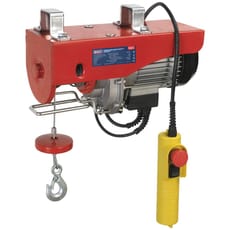
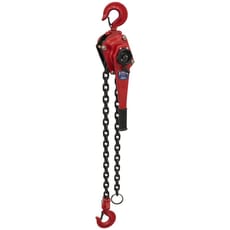
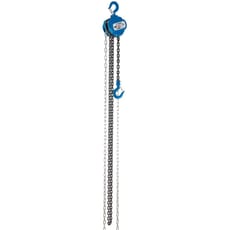
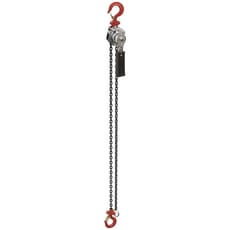
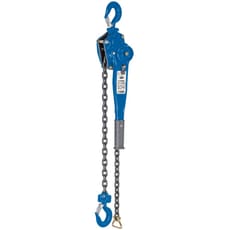
Hoists and chain blocks are essential lifting equipment designed to safely raise, lower, and position heavy loads in workshops, warehouses, construction sites, and industrial environments. These mechanical devices use chain mechanisms and gear systems to provide significant mechanical advantage, allowing operators to lift loads weighing hundreds or even thousands of kilograms with minimal physical effort. MyToolShed.co.uk stocks a comprehensive range including manual chain blocks for vertical lifting, lever hoists for precise positioning in any direction, and powered electric hoists for heavy-duty applications.
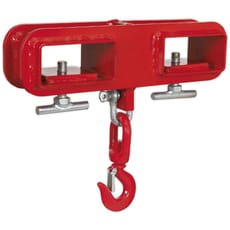
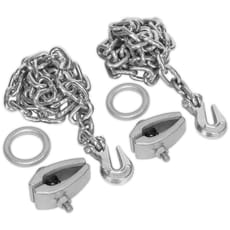
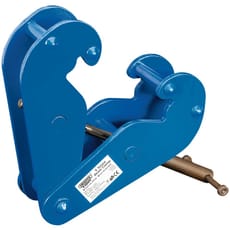
Our selection features trusted brands including Sealey and Draper, offering lifting capacities from compact 250kg units through to heavy-duty systems capable of handling multi-tonne loads. Many feature forged steel hooks, hardened load chains, and automatic braking systems to ensure maximum safety. We also supply essential accessories such as beam clamps, chain clamp kits, and adjustable gantry cranes that provide complete portable lifting solutions for professional tradespeople and serious DIY enthusiasts.
Applications
Hoists and chain blocks are indispensable tools across numerous trades and industries:
- Mechanical Engineers: Installing heavy machinery, engines, and industrial equipment
- Vehicle Mechanics: Removing and fitting engines, gearboxes, and heavy automotive components
- Warehouse Managers: Handling palletised goods and heavy stock items safely
- Construction Workers: Positioning steel beams, concrete sections, and building materials
- Manufacturing Facilities: Moving raw materials and finished products through production
- Agricultural Workers: Lifting tractor parts, feed sacks, and farm machinery
- Maintenance Teams: Installing HVAC systems and replacing heavy equipment
- Theatre Riggers: Suspending lighting rigs, sound equipment, and staging elements
Choosing The Right Hoists & Chain Blocks
Determine Lifting Capacity: Calculate the maximum weight you'll lift and add a 25% safety margin. Never work at the absolute limit of the Working Load Limit (WLL). Consider future requirements alongside current needs.
Lift Height Requirements: Measure the maximum vertical distance needed. Chain hoists are available with various chain lengths, typically from 3 to 6 metres or more.
Manual or Powered Operation: Manual chain blocks and lever hoists are economical and require no power source, ideal for occasional use. Electric hoists offer faster operation for frequent applications but require 240V electrical supply.
Fixed or Portable Use: Portable gantry cranes offer excellent workshop flexibility, whilst beam clamps allow quick repositioning along existing RSJs or I-beams.
Operating Environment: Consider indoor versus outdoor use. Outdoor applications may require weather-resistant features and corrosion protection.
Safety Information
All lifting equipment sold by MyToolShed.co.uk must comply with LOLER 1998 and PUWER 1998 regulations. Before every use, conduct visual inspections checking for damaged hooks, worn chains, and functional safety latches. Never exceed the Working Load Limit marked on equipment. Always ensure loads are properly balanced and securely attached before lifting, and never stand beneath suspended loads. LOLER mandates thorough examination by a competent person at least every 12 months, with more frequent inspections for demanding applications. Keep detailed records of all inspections and maintenance activities.
Frequently Asked Questions
What's the difference between a chain block and a lever hoist?
A chain block is designed primarily for straight vertical lifting and operated by pulling down on a hand chain. A lever hoist uses a ratcheting lever mechanism and can pull loads horizontally, vertically, or at angles, making it more versatile for positioning work in tight spaces.
How often do hoists need LOLER inspection?
Under LOLER regulations, lifting equipment must be thoroughly examined by a competent person at least every 12 months. Equipment used in demanding conditions or for lifting people requires 6-monthly inspections. Operators should also perform visual pre-use checks before each operation.
What lifting capacity do I need for engine removal?
Car engines typically weigh between 100-250kg, whilst larger commercial vehicle engines can exceed 500kg. A 500kg capacity hoist provides good versatility for most automotive workshop applications with adequate safety margin. For dedicated engine work, purpose-designed engine cranes with 1000kg or 2000kg capacity offer better stability.