

Hi Vis Overalls
Pay in 3 interest-free payments on purchases from £30-2000 with  . Learn more.
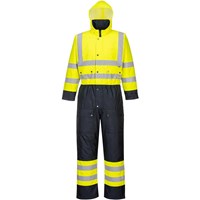
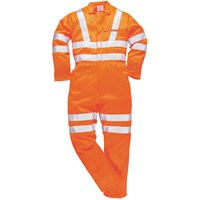
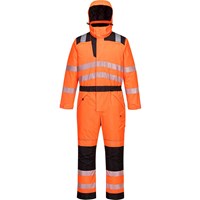
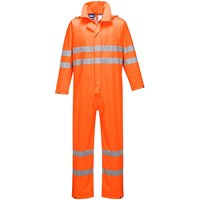
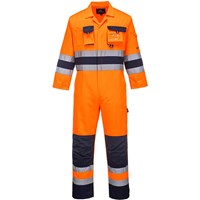
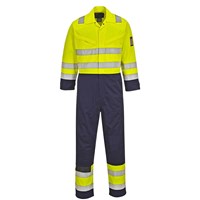
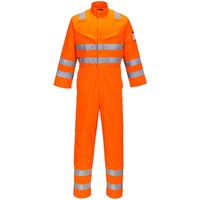
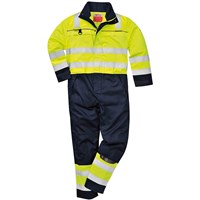
 Loading...
End of content
Error - No more pages to load
About Hi Vis Overalls
Hi vis overalls provide essential full-body visibility and protection for workers operating in hazardous environments, combining fluorescent fabrics with reflective tape to ensure conspicuity in low-light conditions and near moving traffic. MyToolShed.co.uk stocks a comprehensive range including coveralls, bib and braces, and boiler suits that meet UK safety standards such as EN ISO 20471 and RIS-3279-TOM for railway work. Available styles range from lightweight polycotton designs for general construction to specialist multi-norm garments offering flame resistance, waterproofing, and thermal insulation for demanding applications.
Leading brands like Portwest, Bizflame, and Modaflame feature prominently in our collection, with options spanning Class 2 overalls for standard site work through to Class 3 garments required for motorway maintenance and high-risk environments. Modern designs incorporate practical features such as contrast panelling, reinforced 300D Oxford weave fabrics, multiple pockets, and knee pad compartments, ensuring MyToolShed.co.uk customers benefit from both safety compliance and day-to-day functionality on site.
Applications
Hi vis overalls are worn across numerous trades and industries where visibility and protection are paramount:
- Construction Workers – Site labourers, groundworkers, and general builders on building sites and civil engineering projects
- Highway Maintenance – Road workers, traffic management crews, and council teams operating near moving vehicles
- Railway Personnel – Track maintenance staff and signalling engineers requiring RIS-compliant garments
- Warehouse Operations – Forklift operators, loading bay workers, and distribution centre employees
- Utilities Engineers – Electricians, gas fitters, and telecoms workers attending roadside installations
- Agricultural Work – Farmers and estate staff operating machinery in low-light conditions
- Welders and Fabricators – Metalworkers requiring combined hi vis and flame-resistant protection
- Waste Management – Refuse collectors and recycling operatives working near traffic
Choosing The Right Hi Vis Overalls
Visibility Classification: Determine the required EN ISO 20471 class based on your work environment. Class 2 suits most construction sites and warehouses, whilst Class 3 is mandatory for motorways, railways, and high-speed traffic areas. Railway work demands RIS-3279-TOM certification.
Hazard Protection: Assess whether standard hi vis coverage suffices or if multi-norm protection is needed. Flame-resistant overalls from Bizflame and Araflame are essential for welding and electrical work, whilst Sealtex waterproof models protect against prolonged rain exposure. Winter coveralls with thermal insulation suit outdoor maintenance during cold months.
Fabric Durability: Polycotton blends offer comfort and breathability for general use, whilst 300D Oxford weave fabrics provide superior abrasion resistance for heavy-duty applications. Consider wash durability to maintain reflective properties through multiple laundry cycles.
Style and Fit: Full coveralls provide complete protection, bib and braces allow better temperature regulation, and boiler suits offer easy donning. Ensure adequate sizing to accommodate winter layers underneath, and look for elasticated waists, adjustable straps, and knee pad pockets for improved comfort.
Safety Information
Hi vis overalls must comply with EN ISO 20471:2013, specifying minimum areas of fluorescent material and reflective tape for each classification. Employers must provide appropriate hi vis clothing under the Personal Protective Equipment at Work Regulations 1992 where risk assessments identify visibility hazards. Regular washing maintains effectiveness, but avoid bleach or fabric softeners that degrade reflective properties. Inspect regularly for damage, fading, or contamination—garments with compromised visibility require immediate replacement. Flame-resistant overalls must never be modified with non-compliant materials, and railway workers must wear only RIS-3279-TOM certified garments when working on or near the line.
Frequently Asked Questions
What's the difference between Class 2 and Class 3 hi vis overalls?
Class 2 overalls feature minimum background material of 0.50m² and reflective tape of 0.13m², suitable for general construction and warehouses. Class 3 offers maximum visibility with at least 0.80m² of fluorescent fabric and 0.20m² of reflective material, required for motorways, railways, and high-speed traffic environments. Class 3 garments typically include reflective bands on arms and legs for 360-degree visibility.
How should I care for hi vis overalls to maintain effectiveness?
Wash according to manufacturer instructions, typically at 40-60°C, avoiding bleach or fabric softeners. Turn garments inside out to protect reflective elements, then air dry or tumble dry on low heat. Inspect regularly for fading or damage—fluorescent fabric should remain vibrant and reflective tape must stay firmly attached. Replace after 25-50 industrial washes or sooner if visibility is compromised.
Can flame-resistant hi vis overalls be worn for regular construction work?
Yes, flame-resistant overalls provide additional protection beyond standard garments and are suitable for general construction, though typically more expensive and warmer. They're essential when welding, cutting, grinding, or working with electrical equipment and petrochemicals. If your work involves hot works or electrical hazards, FR-rated garments are strongly recommended and may be required by site safety policies.