
Hex Shank Chisel Bits

Pay in 3 interest-free payments on purchases from £20-£3000 with  . Learn more.

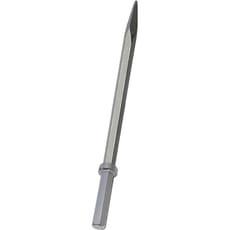
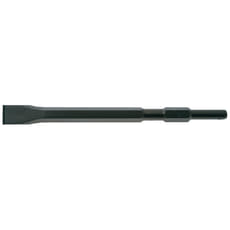

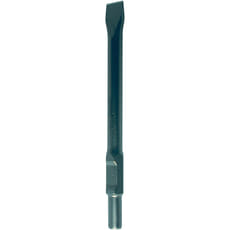
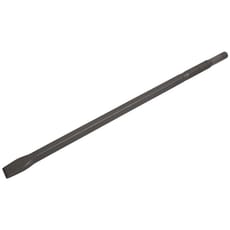
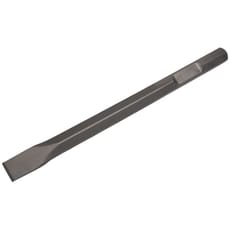
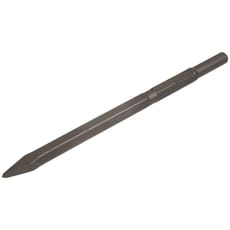
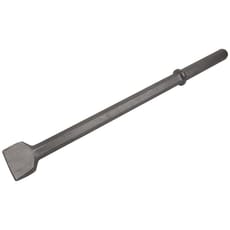
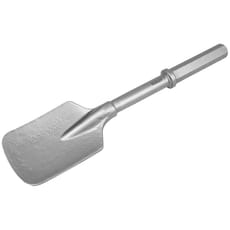
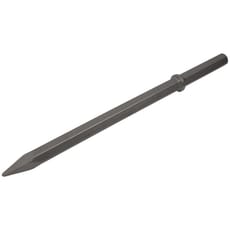
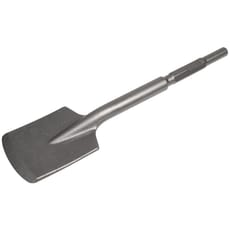
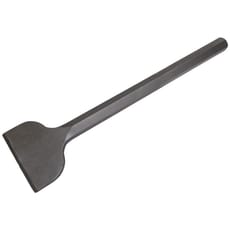
Loading...
End of content
Error - No more pages to load
About Hex Shank Chisel Bits
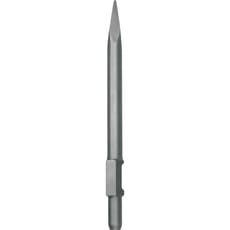
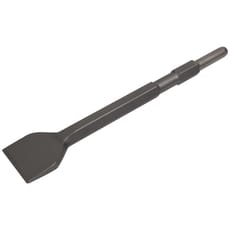
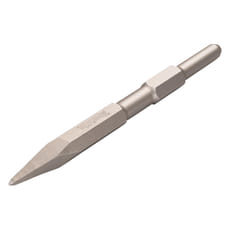
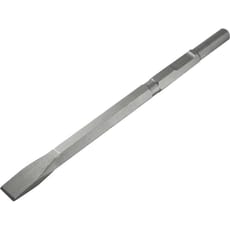
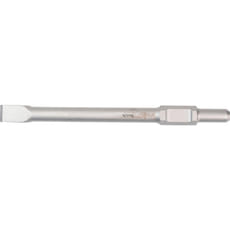
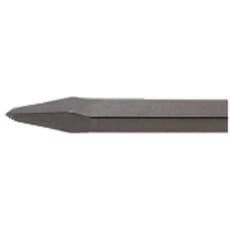
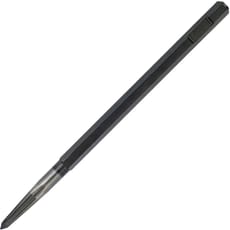
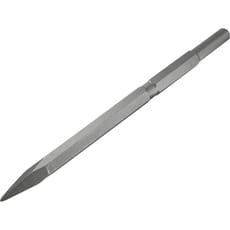
Hex shank chisel bits are heavy-duty demolition accessories designed for use with breaker hammers and electric demolition hammers. Featuring hardened steel construction and hexagonal shanks in standard sizes—typically 19mm, 22mm, 28mm, or 30mm—these robust chisels deliver the durability required for demanding site work. The hex shank design provides a secure, anti-rotation connection that can withstand the extreme impact forces generated during concrete breaking, asphalt removal, and general demolition tasks.
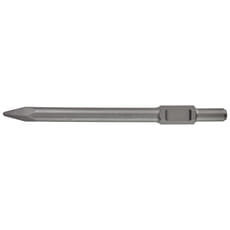
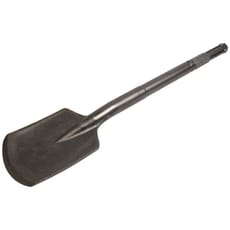
MyToolShed.co.uk stocks a comprehensive range of hex shank chisel bits from leading manufacturers including Bosch Professional, Makita, Sealey, DeWalt, and Faithfull. The category encompasses various chisel profiles—pointed chisels for precision breaking, flat chisels for tile removal and general demolition, spade chisels for channelling and trenching, plus specialist variants such as asphalt cutters and earth rod drivers. Self-sharpening designs from premium brands ensure consistent performance throughout the chisel's working life, making them ideal for professional tradespeople and serious DIY enthusiasts alike.
Applications
Hex shank chisel bits are essential tools for a wide range of trades and applications:
- Demolition Contractors – Breaking up concrete structures, removing foundations, and site clearance work
- Builders and Construction Workers – Breaking out old floors, creating openings, and site preparation
- Groundworkers – Excavating hard ground, breaking asphalt, and installing earth rods
- Electricians – Chasing channels in walls for cable runs and removing concrete for junction boxes
- Plumbers and Heating Engineers – Creating channels for pipework through concrete and masonry
- Tilers and Flooring Specialists – Removing old tiles, screed, and preparing substrates
- Stonemasons and Landscape Contractors – Breaking natural stone and concrete paving
- DIY Enthusiasts – Home renovation projects requiring concrete or masonry removal
Choosing The Right Hex Shank Chisel Bits
Match the Shank Size: The most critical consideration is ensuring the hex shank size matches your breaker hammer chuck. Lighter electric breakers typically use 19mm hex, mid-range tools use 22mm or 28mm, whilst heavy-duty demolition hammers require 28mm or 30mm hex shanks. Always verify your tool's specification before purchasing.
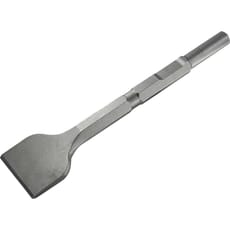
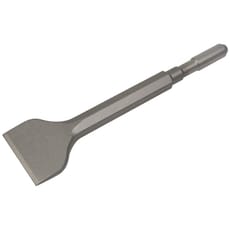
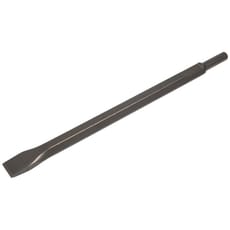
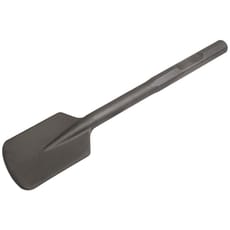
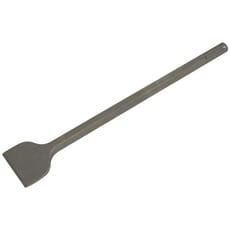
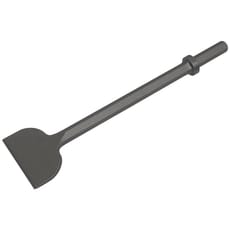
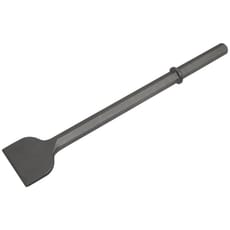
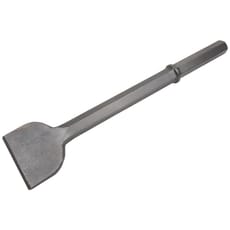
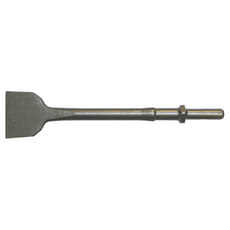
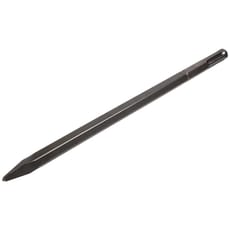
Select the Correct Profile: Pointed chisels excel at precision breaking and starting cracks, flat chisels suit general demolition and tile removal, spade chisels are ideal for channelling and trenching, and specialist profiles like asphalt cutters address specific applications. Many professionals at MyToolShed.co.uk maintain multiple profiles for varied tasks.
Consider Build Quality: Professional-grade chisel bits from Bosch, Makita, and DeWalt feature superior steel alloys and advanced heat treatment that deliver longer service life than budget alternatives. Self-sharpening variants offer extended cutting performance, reducing downtime and replacement costs on demanding projects.
Safety Information
Using hex shank chisel bits with breaker hammers requires proper safety precautions. Always wear appropriate PPE including safety goggles or full face shield, hearing protection, heavy-duty work gloves, steel toe-capped boots, and a dust mask when working with concrete and masonry. The HSE provides specific guidance on controlling silica dust exposure—a serious health hazard in demolition work.
Inspect chisels before each use for signs of mushrooming, cracks, or excessive wear. Damaged chisels can shatter under load, creating dangerous projectiles. Ensure chisel bits are correctly seated in the chuck before operation, and be aware that breaker hammers can cause Hand-Arm Vibration Syndrome (HAVS) with prolonged use. Always check for hidden services—cables, pipes, and gas lines—before breaking through walls or floors.
Frequently Asked Questions
What size hex shank do I need for my breaker hammer?
Check your breaker hammer's manual or chuck specification. Lighter electric breakers typically use 19mm hex shanks, mid-range tools use 22mm or 28mm, and heavy-duty demolition hammers use 28mm or 30mm hex shanks. The shank must match exactly—an incorrectly sized chisel will not fit securely and presents a serious safety hazard.
What's the difference between pointed, flat, and spade chisels?
Pointed chisels concentrate force at a single point for precision breaking and starting demolition work. Flat chisels have a wide, straight edge ideal for general breaking, tile removal, and levelling. Spade chisels feature a broader cutting edge for channelling walls, trenching, and removing larger sections efficiently.
Can I use SDS chisel bits in a hex shank breaker?
No, SDS and hex shank systems are incompatible. SDS is designed for lighter rotary hammers, whilst hex shank systems are engineered for heavy-duty breaker hammers delivering much higher impact forces. Always use the correct shank type specified for your tool.