
Hazardous Storage

Pay in 3 interest-free payments on purchases from £20-£3000 with  . Learn more.
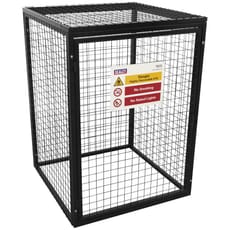
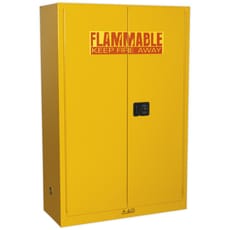
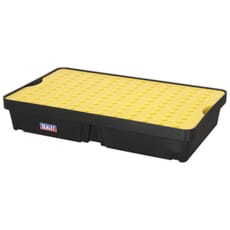
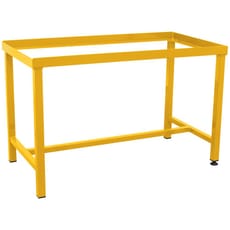
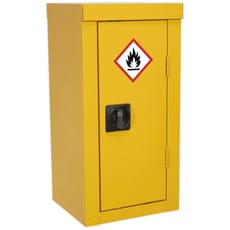
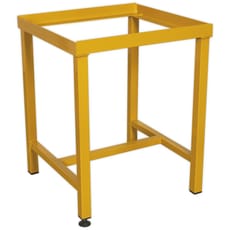
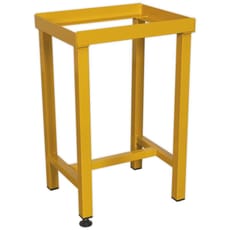
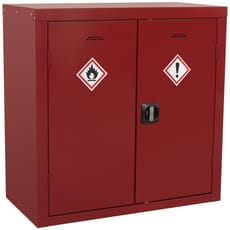
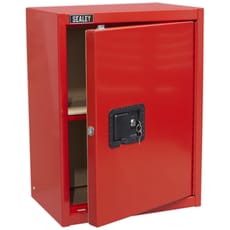
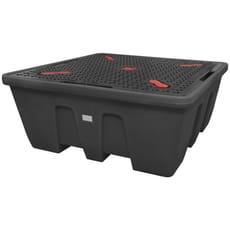
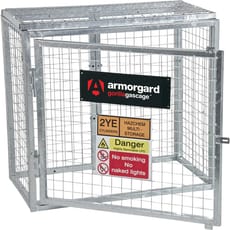
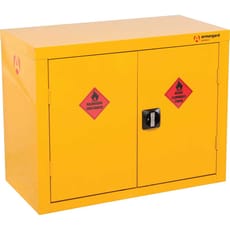
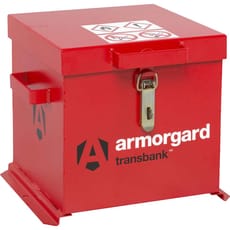
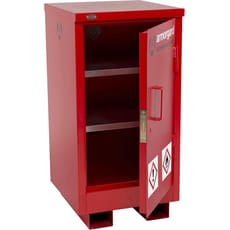
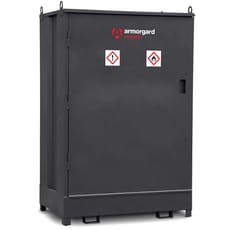
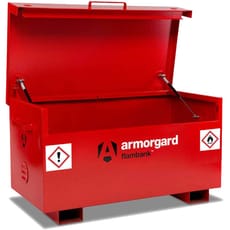
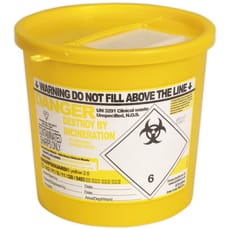
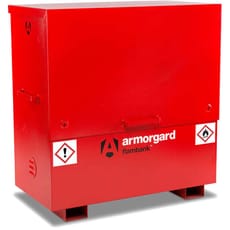
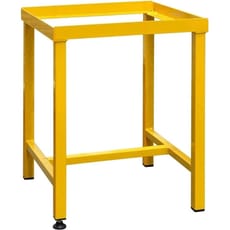
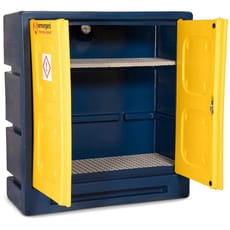
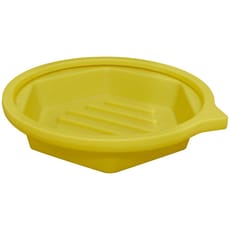
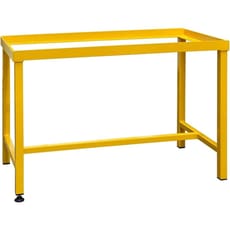
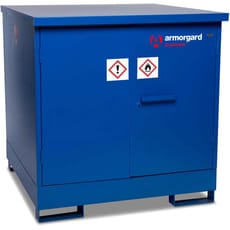
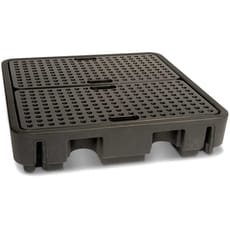
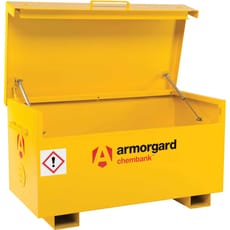
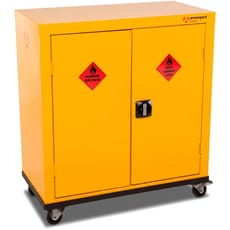
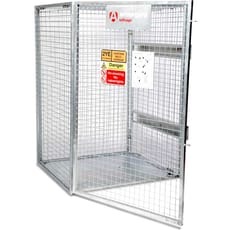
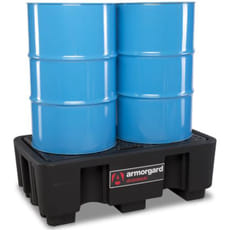
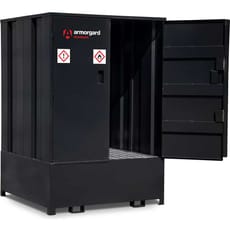
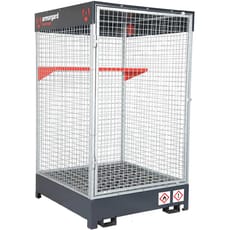
Armorgard Flambank Chemical and Flammables Secure Site Storage Chest
available
Loading...
End of content
Error - No more pages to load
About Hazardous Storage
Proper hazardous storage is essential for any workplace handling dangerous substances, from flammable liquids and corrosive chemicals to pressurised gas cylinders and hazardous solids. MyToolShed.co.uk supplies a comprehensive range of COSHH-compliant storage solutions including fire-resistant cabinets, secure drum stores with spill containment, gas cylinder cages, and chemical storage boxes from trusted brands like Armorgard and Sealey. These purpose-built products protect your workforce, premises and environment whilst ensuring compliance with UK Health and Safety legislation.
Whether you need a compact van box for mobile operations, a robust site chest for construction environments, or industrial-scale drum and IBC containment systems, our hazardous storage range features reinforced steel construction, secure locking mechanisms, integrated ventilation, and spill pallets designed to prevent environmental contamination and meet stringent safety standards.
Applications
Hazardous storage solutions are essential across numerous trades and industries:
- Construction Site Managers – storing fuels, solvents, paints and adhesives securely on-site
- Facilities Managers – maintaining compliant storage for cleaning chemicals and maintenance fluids
- Manufacturing Operations – handling industrial chemicals and process fluids safely
- Automotive Workshops – storing oils, degreasers, brake fluids and automotive chemicals
- Agricultural Businesses – securing pesticides, herbicides, fertilisers and diesel fuel
- Painting & Decorating Contractors – transporting and storing flammable paints and thinners
- Engineering Workshops – storing cutting fluids, degreasers and compressed gas cylinders
- Landscaping Companies – safely handling petrol, two-stroke mixes and chemical treatments
Choosing The Right Hazardous Storage
Type of Hazardous Material: Different substances require specific storage solutions. Flammable liquids need fire-resistant Flambank-style cabinets with ventilation, corrosive chemicals require chemical-resistant construction, gas cylinders need upright storage in well-ventilated cages, and drums or IBCs require spill pallets with adequate bund capacity (typically 110% of the largest container or 25% of total volume).
Storage Capacity: Calculate the volume you need to store, checking internal dimensions to ensure containers, drums or cylinders fit comfortably. Consider whether you need 2-drum, 4-drum configurations or IBC-compatible units for 1000-litre containers.
Location and Mobility: Determine whether you need static storage for fixed locations, mobile cabinets with castors for workshop flexibility, or secure van boxes for mobile tradespeople. Site storage requires weather-resistant construction and secure anchoring points.
Security and Compliance: Look for robust locking mechanisms, reinforced doors and concealed hinges to prevent theft and unauthorised access. Ensure products meet UK COSHH regulations and relevant BS EN standards, and verify your insurance provider's specific requirements.
Safety Information
All hazardous storage must comply with COSHH regulations and HSE guidelines. Never exceed maximum storage capacity, and always segregate incompatible substances—keep flammable materials separate from oxidising agents, and acids away from alkalis. Ensure adequate ventilation to prevent dangerous vapour accumulation, and position storage away from ignition sources and high-traffic areas. Conduct regular inspections for damage, corrosion or leakage, maintain Safety Data Sheets for all stored substances, and ensure staff receive appropriate training in hazardous material handling and emergency procedures.
Frequently Asked Questions
How much spill containment capacity do I need?
UK regulations typically require bund capacity of at least 110% of the largest container being stored, or 25% of the total stored volume, whichever is greater. For example, storing four 205-litre drums requires containment of at least 225 litres. Always check specific regulations for your substances and industry.
Can I store different hazardous materials together?
No, incompatible substances must be segregated to prevent dangerous reactions. Flammable materials should be stored separately from oxidising agents, acids away from alkalis, and reactive chemicals require isolation. Your COSHH risk assessment and Safety Data Sheets will specify segregation requirements. MyToolShed.co.uk offers separate storage units to maintain proper segregation.
Do mobile workers need different storage than fixed sites?
Yes, mobile tradespeople require compact, secure van boxes designed to withstand movement and vibration during transit. Fixed site storage can be larger with features like integrated spill pallets and permanent anchoring. Both must meet COSHH requirements but are optimised for their specific use case.