
Harling Trowels

Pay in 3 interest-free payments on purchases from £20-£3000 with  . Learn more.
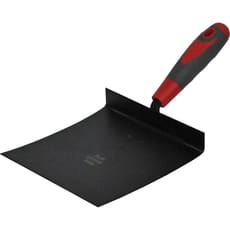
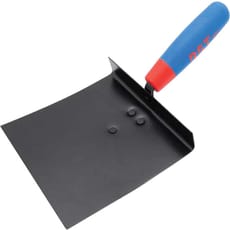
 Loading...
End of content
Error - No more pages to load
About Harling Trowels
Harling trowels are specialist rendering tools designed for creating traditional roughcast finishes, also known as harling or wet dash. These distinctive tools feature a wooden base fitted with protruding metal pins that press aggregate materials—such as crushed stone or pebbledash—into wet render, creating the characteristic textured, weather-resistant finish popular across Scotland, Northern England, and Wales. Unlike standard plastering trowels, harling trowels serve the specific purpose of embedding stone chips into base coats to achieve authentic roughcast appearances.
MyToolShed.co.uk stocks quality harling trowels from trusted brands including Faithfull and RST, built to withstand the demanding nature of rendering work. These professional-grade tools feature robust wooden bases with securely fixed pins, comfortable handles for extended use, and durable construction that handles repeated contact with wet render and aggregate materials, making them essential for both new builds and heritage restoration projects.
Applications
- Plasterers and Renderers: Professional tradespeople specialising in external rendering and traditional roughcast techniques
- Building Contractors: General builders working on new builds or extensions where roughcast finishes are specified
- Heritage Restoration Specialists: Professionals maintaining or replicating traditional harling finishes on listed buildings and conservation projects
- Property Maintenance: Repair and restoration work on properties with existing roughcast renders
- Stonemasons: Craftspeople applying traditional textured finishes to masonry structures
- DIY Enthusiasts: Homeowners undertaking renovation projects on properties with traditional harling, particularly in Scotland and northern regions
Choosing The Right Harling Trowels
When selecting a harling trowel, consider the base size first—larger bases provide faster coverage on extensive wall areas, whilst smaller trowels offer better control around windows, doors, and corners. The quality of construction is paramount; look for securely fixed pins that won't work loose and solid wooden bases that resist warping when exposed to wet render.
Pay attention to pin configuration and spacing, as this affects aggregate distribution and texture consistency. Evenly spaced pins ensure uniform roughcast finishes, whilst pin length determines how deeply aggregate embeds into the render. Handle design significantly impacts comfort during extended use—well-balanced trowels with ergonomic grips reduce hand fatigue on large projects. MyToolShed.co.uk offers reliable options from Faithfull and RST, suitable for both professional tradespeople and experienced DIY users working with traditional rendering techniques.
Safety Information
Always wear safety goggles when using harling trowels to protect eyes from render splashes and flying aggregate particles. Work gloves are essential, as cement-based renders are alkaline and can cause skin irritation or dermatitis with prolonged exposure. Wear a dust mask meeting HSE standards when mixing dry render materials to prevent respiratory irritation.
The protruding pins require careful handling—never place the tool face-down where someone might step or kneel on it, and always store securely when not in use. When working at height, ensure scaffolding or platforms comply with current working at height regulations. Use proper manual handling techniques when carrying heavy buckets of wet render and aggregate to avoid strain.
Frequently Asked Questions
What's the difference between harling and pebbledash?
Harling involves pressing or throwing aggregate onto wet render using a harling trowel, creating a roughcast finish where stones are partially embedded. Pebbledash typically refers to small pebbles thrown onto render. Both provide weather-resistant textured finishes, but harling is more associated with Scottish building traditions.
How do I maintain a harling trowel?
Clean your harling trowel immediately after use by rinsing thoroughly with water before render sets. Use a stiff brush to clean between pins, ensuring no hardened material remains. Dry the wooden base properly to prevent warping and store in a dry location with pins protected.
What size aggregate works best with harling trowels?
Aggregate typically ranges from 3mm to 10mm, with 6mm common for general applications. Smaller aggregates create finer textures, whilst larger stones produce more pronounced roughcast appearances. Always check specifications for heritage work where specific materials may be required.