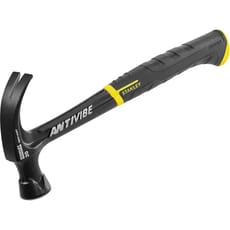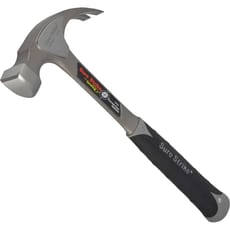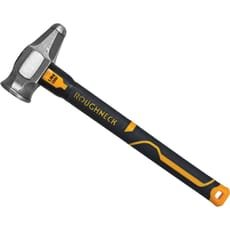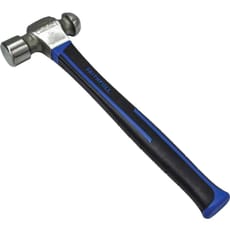
Hammers

Pay in 3 interest-free payments on purchases from £30-2000 with PayPal Pay in 3. Learn more.
Showing 277 results

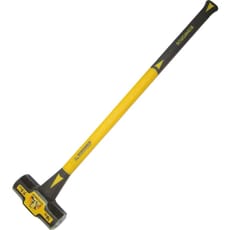
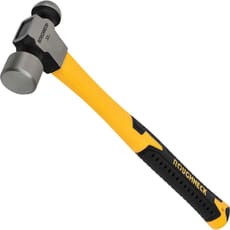
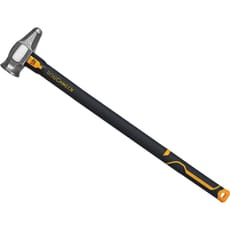
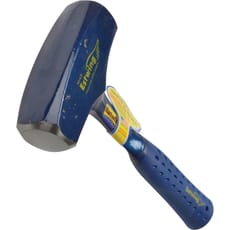
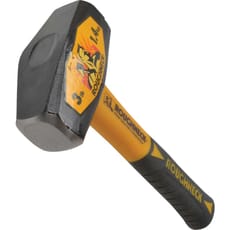
Roughneck Sledge Hammer

8 types from £22.95

in stock

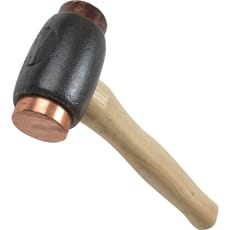
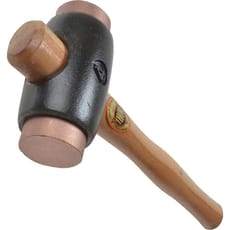
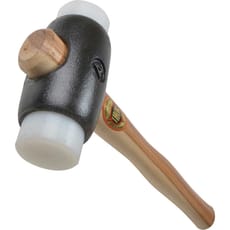
Thor Copper / Hide Hammer

6 types from £19.95

in stock

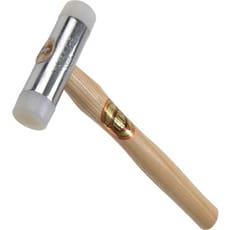
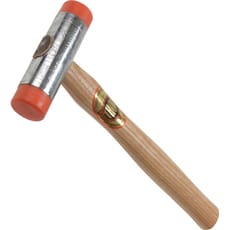
Thor Multi Purpose Nylon Faced Hammer

6 types from £17.95

in stock

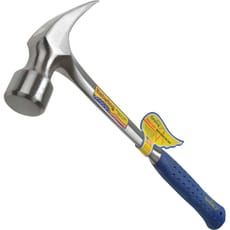
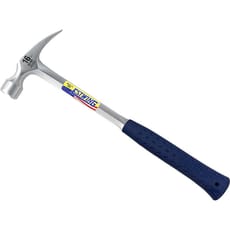
Estwing Straight Claw Framing Hammer

5 types from £59.95

in stock

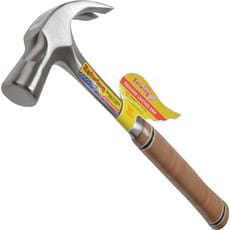
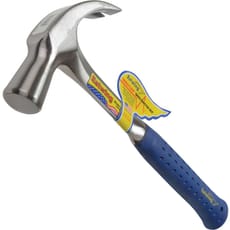
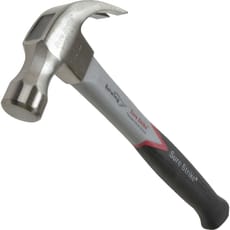
Estwing Curved Claw Hammer

3 types from £52.95

in stock

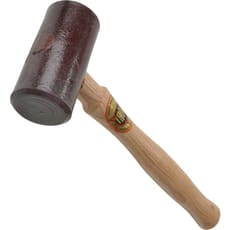
Thor Rawhide Mallet

7 types from £17.95

in stock

Thor Copper Hammer

6 types from £17.95

in stock

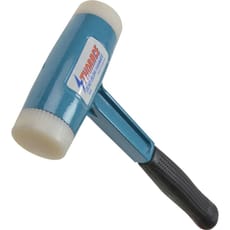
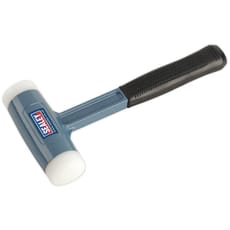
Thor Dead Blow Nylon Hammer

5 types from £27.95

in stock

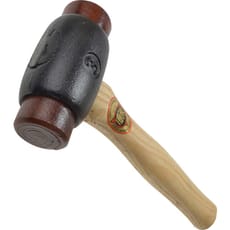
Thor Rawhide Hammer

6 types from £21.95

in stock

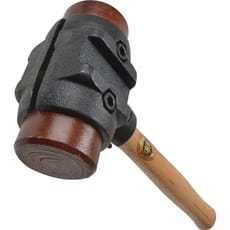
Thor Split Head Hide Face Hammer

5 types from £29.95

in stock

Estwing Curved Claw Hammer

3 types from £46.95

in stock

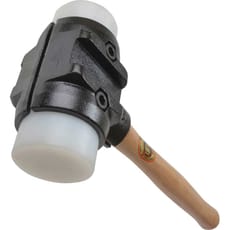
Thor Split Head Super Plastic Face Hammer

5 types from £25.95

in stock

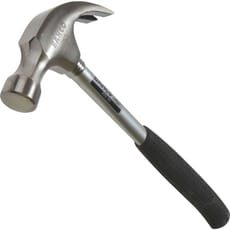
Bahco 429-16 Claw Hammer Steel Handle

2 types from £8.99

in stock

Roughneck Gorilla Sledge Hammer

4 types from £42.95

in stock

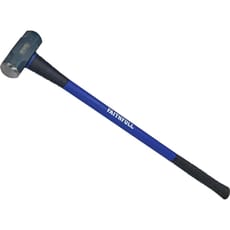
Faithfull Sledge Hammer

3 types from £33.95

in stock

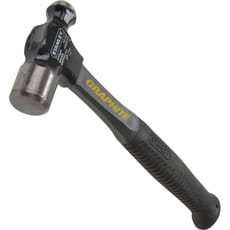
Stanley Ball Pein Hammer

3 types from £30.95

in stock

Roughneck Fibreglass Shaft Curved Claw Hammer

2 types from £11.95

in stock

Faithfull Claw Hammer

3 types from £11.95

in stock

Faithfull Club Hammer

2 types from £14.95

in stock

Thor Super Plastic Hammer

3 types from £24.95

in stock

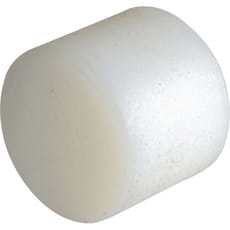
Thor Hammer Spare White Nylon Face

6 types from £2.95

in stock

Thor Multi Puropose Plastic Faced Hammer

6 types from £15.95

in stock

Hultafors T Block Combination Hammer

3 types from £34.95

in stock

Estwing Club Hammer

3 types from £48.95

in stock

Hultafors Anti Vibration Nylon Face Hammer

3 types from £54.95

in stock

Roughneck Club Hammer

3 types from £19.95

in stock

Estwing Sledge Hammer Fibreglass Handle

6 types from £56.95

in stock

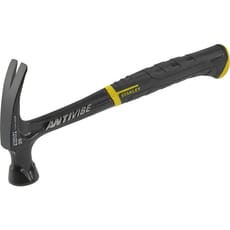
Stanley FatMax Antivibe Claw Hammer

2 types from £35.95

in stock

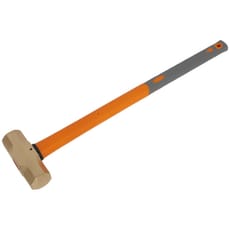
Sealey Non Sparking Sledge Hammer

5 types from £167.95

in stock

Stanley FatMax Antivibe Rip Claw Hammer

2 types from £35.95

in stock

Stanley Tools Fibreglass Club Hammer

3 types from £24.95

in stock

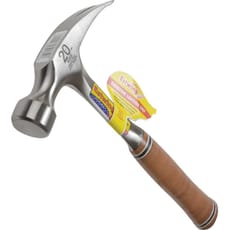
Estwing Straight Claw Hammer

2 types from £48.95

in stock

Faithfull Black PVC Deadblow Hammer

2 types from £15.95

in stock

Roughneck Gorilla Mini Sledge Hammer

2 types from £14.99

in stock

End of page 1 of 8... scroll down for more...

Showing 277 results

Loading Loading...

End of content

Error - No more pages to load

About Hammers

Hammers are among the most fundamental and versatile tools in any tradesperson's kit, serving countless applications across construction, metalworking, woodworking, and general maintenance work. Whether you're a professional carpenter framing a new build, a roofer securing tiles, or a metalworker shaping components, choosing the right hammer for the job makes all the difference to both efficiency and finish quality. At TooledUp.com, we stock an extensive range of hammers from trusted brands including Stanley, Bahco, and Irwin, designed to meet the exacting standards of UK tradespeople.

Our comprehensive hammer collection encompasses everything from lightweight tack hammers for delicate upholstery work through to heavy-duty sledge hammers for demolition and ground work. Each hammer type has been engineered with specific applications in mind, featuring carefully balanced heads, ergonomic handles, and specialised striking faces to deliver maximum performance. Modern hammers incorporate advanced materials such as fibreglass handles for vibration dampening, steel shanks for durability, and precisely machined heads with various face profiles to suit different materials and techniques.

Understanding the distinctions between claw hammers, ball pein hammers, club hammers, and the many other specialised variants available ensures you select the optimal tool for your particular trade and application. The right hammer not only improves work quality but also reduces fatigue and minimises the risk of repetitive strain injuries during extended use on site.

Jargon Buster

  • Face: The striking surface of the hammer head, which may be flat, crowned, or textured depending on the intended application and material being struck.
  • Pein (or Peen): The shaped end of a hammer head opposite the face, which can be ball-shaped, wedge-shaped, or cross-shaped for specific metalworking and forming tasks.
  • Claw: The curved, forked end of a claw hammer designed for extracting nails and prying materials apart, available in both curved and straight configurations.
  • Handle Material: Common options include traditional hickory wood, modern fibreglass for shock absorption, or steel with rubber grips for maximum durability and reduced vibration transmission.
  • Head Weight: Measured in ounces or grams, ranging from lightweight 8oz tack hammers up to heavy 14lb sledge hammers, with head weight determining striking force and application suitability.
  • Anti-Vibration Technology: Design features incorporated into handles and head attachments to reduce shock transmission to the user's hand and arm, minimising fatigue and injury risk during prolonged use.

Who Uses Hammers?

Hammers are essential tools across virtually every trade and DIY application:

  • Carpenters and Joiners: Rely on claw hammers and framing hammers for timber construction, cabinet making, and finishing work
  • Roofers: Use specialised roofing hammers with integrated nail pullers and gauges for tile and slate installation
  • Bricklayers and Stonemasons: Employ brick hammers and club hammers for cutting, shaping, and setting masonry materials
  • Metalworkers and Engineers: Utilise ball pein hammers, planishing hammers, and cross pein hammers for shaping and forming metal components
  • Electricians (Sparkies): Use engineers hammers and small claw hammers for cable clips, conduit fixings, and general electrical installation work
  • Plumbers: Require club hammers for pipe work, chase cutting, and fixing applications
  • Demolition Contractors: Depend on sledge hammers and club hammers for breaking down structures and materials
  • Welders: Use chipping hammers to remove slag from weld seams and prepare surfaces
  • DIY Enthusiasts: Need versatile claw hammers and soft face hammers for home improvement projects and repairs

How to Choose the Right Hammers

Selecting the appropriate hammer requires careful consideration of several key factors:

Application and Trade: Your specific work determines the hammer type required. Carpenters typically need claw hammers with 16-20oz heads, whilst metalworkers require ball pein hammers, and general construction workers benefit from club hammers for heavier striking applications.

Head Weight and Balance: Heavier heads deliver more force but cause greater fatigue. A well-balanced hammer with appropriate weight for your application ensures efficiency without excessive strain. Consider 8-16oz for precision work, 20-32oz for general construction, and 3-14lb for demolition and heavy-duty applications.

Handle Material and Length: Traditional hickory handles offer excellent shock absorption and feel, whilst fibreglass provides superior durability and vibration dampening. Steel-shafted hammers deliver maximum strength for demanding applications. Handle length affects leverage and control—longer handles generate more force but reduce precision.

Face Type: Smooth faces suit general purpose work, crowned faces reduce nail damage in finishing applications, textured faces prevent slipping when striking hardened materials, and specialist faces like milled or serrated patterns suit specific metalworking techniques.

Ergonomics and Grip: For extended use, prioritise hammers with comfortable, non-slip grips and anti-vibration features. Ergonomically designed handles reduce wrist strain and improve control, particularly important for professionals using hammers throughout the working day.

Quality and Durability: Invest in reputable brands like Stanley, Bahco, and Estwing that meet British and European safety standards. Quality hammers feature properly hardened and tempered heads, secure head-to-handle attachment, and durable surface treatments to withstand professional site conditions.

Popular Accessories

  • Replacement Handles and Wedges: Essential for maintaining and repairing traditional wooden-handled hammers, extending tool life and maintaining safety standards
  • Nail Sets and Punches: Companion tools for sinking nail heads below surface level in finishing work without damaging surrounding materials
  • Tool Belts and Pouches: From brands like Stanley and Snickers for convenient hammer storage and access whilst working at height or moving around site
  • Safety Glasses and Gloves: Critical PPE for hammer work, protecting against flying debris and improving grip whilst meeting HSE requirements
  • Chisels and Bolsters: Frequently used alongside club hammers for cutting and shaping masonry, metal, and timber
  • Pry Bars and Wrecking Bars: Complementary tools for demolition work and material removal when used with heavier hammers
  • Tool Storage Solutions: Stanley FatMax organisers and DeWalt TSTAK systems for organised hammer storage and transport between jobs

Safety Information

Safe hammer operation is essential to prevent injury and comply with HSE guidelines:

Head Inspection: Regularly check hammer heads for chips, cracks, or mushrooming around the striking face. Damaged heads can splinter on impact, creating dangerous projectiles. Replace any hammer showing signs of head damage immediately.

Handle Condition: Inspect handles for cracks, splits, or looseness. Wooden handles can dry out and weaken over time, whilst fibreglass may crack if subjected to excessive force. Ensure heads are securely attached with properly seated wedges or mechanical fixings.

Personal Protective Equipment: Always wear safety glasses or goggles when using hammers, as striking can generate high-velocity fragments. Work gloves improve grip and protect against impact injuries, whilst steel toe-capped boots protect feet from dropped tools.

Correct Technique: Strike squarely with the hammer face to prevent glancing blows that can damage the workpiece or cause the hammer to slip. Maintain a firm but relaxed grip, allowing the hammer's weight and momentum to do the work rather than forcing strikes with excessive arm strength.

Work Area Safety: Ensure adequate clearance around your working position to prevent striking colleagues or bystanders during the swing. Secure workpieces properly to prevent movement during striking, and be aware of your surroundings when working on site.

Frequently Asked Questions

What's the difference between a claw hammer and a framing hammer?

Whilst both feature claws for nail extraction, framing hammers typically have heavier heads (20-32oz versus 16-20oz), longer handles for increased striking force, and straighter claws optimised for prying apart framing members. Framing hammers often include milled faces to prevent slipping when striking large nails, making them ideal for timber frame construction, whilst claw hammers suit general carpentry and finishing work.

How often should I replace my hammer handle?

Wooden handles should be inspected regularly for cracks, splits, or looseness, with replacement necessary when any damage is visible or the head shows movement. With proper care and storage away from moisture and extreme temperatures, quality hickory handles can last several years. Fibreglass and steel handles rarely need replacement unless subjected to catastrophic damage, though grips may require renewal when worn smooth.

Why do some hammers have different coloured faces?

Soft face hammers feature replaceable striking faces in different materials and colours to suit various applications. Nylon (often white or blue) suits general assembly work, rubber provides cushioned strikes for delicate materials, copper prevents sparking in explosive environments, and rawhide delivers firm strikes without marking timber surfaces. Different colours help quickly identify the face material and hardness level.

What weight hammer should a beginner start with?

For DIY enthusiasts and those new to hammer work, a 16oz claw hammer represents the ideal starting point. This weight offers sufficient striking force for most common applications including hanging pictures, assembling furniture, and basic carpentry, whilst remaining light enough to control accurately without causing excessive fatigue. As skills and applications develop, you can add specialised hammers to suit specific tasks.

Are anti-vibration hammers worth the extra cost for professional use?

Absolutely. For tradespeople using hammers extensively throughout the working day, anti-vibration technology significantly reduces the cumulative stress on joints and soft tissues, helping prevent conditions like carpal tunnel syndrome and tennis elbow. The initial investment in quality anti-vibration hammers from brands like Stanley or Bahco is quickly offset by reduced fatigue, improved productivity, and long-term health benefits, making them essential for professional applications.

^ Top