
Hammer Wedges

Pay in 3 interest-free payments on purchases from £20-£3000 with  . Learn more.
 Loading...
End of content
Error - No more pages to load
About Hammer Wedges
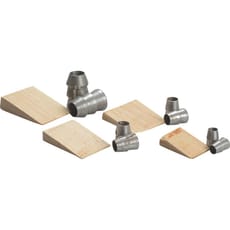
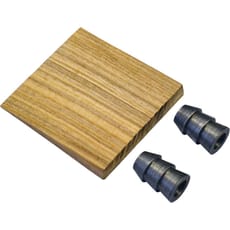
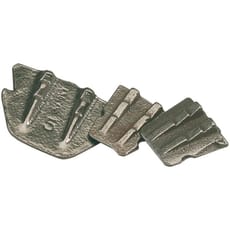
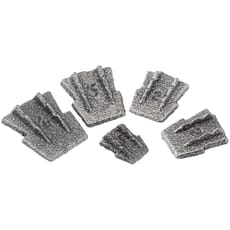
Hammer wedges are small but essential fixings used to secure hammer heads firmly to wooden handles, preventing dangerous loosening during use. These wedges are driven into a slot (kerf) cut into the end of the handle where it passes through the hammer eye, expanding the wood to create a tight mechanical fit. Available in hardened steel or traditional hardwood construction, hammer wedges are critical safety components for anyone working with handled striking tools.
MyToolShed.co.uk stocks hammer wedges from trusted brands including Draper and Faithfull, available as individual wedges or convenient assorted sets suitable for various hammer types. Whether you're refitting a sledgehammer after handle replacement, repairing a carpenter's claw hammer, or maintaining a workshop tool collection, having quality wedges ensures your hammers remain safe and effective throughout their working life.
Applications
Hammer wedges are used across numerous trades and applications:
- Carpenters and Joiners - maintaining claw hammers, framing hammers and specialist carpentry tools
- General Builders - keeping site hammers and club hammers properly secured for daily use
- Groundworkers and Landscapers - repairing sledgehammers and post mauls used for heavy striking work
- Demolition Contractors - maintaining lump hammers that endure particularly harsh treatment
- Tool Restoration Enthusiasts - refurbishing vintage and antique hammers to working condition
- DIY Enthusiasts - extending household hammer lifespan through proper maintenance
- Agricultural Workers - repairing farm hammers and post drivers used in fencing work
- Workshop Managers - ensuring all striking tools meet safety standards
Choosing The Right Hammer Wedges
Wedge Size: Match wedge dimensions to your hammer type. Sledgehammers require longer, wider wedges, whilst smaller finishing hammers need correspondingly smaller sizes. Check the taper is gradual - excessive sharpness can split handles.
Material Type: Steel wedges provide maximum expansion force for heavy-duty applications, whilst timber wedges offer sympathetic expansion for delicate or vintage tools. Many professionals use both - a primary timber wedge followed by a steel cross wedge at right angles for optimal four-point security.
Sets vs Individual Wedges: Assorted sets from Draper and Faithfull available at MyToolShed.co.uk offer excellent value for workshops maintaining multiple hammer types, providing various sizes in one package. Individual wedges suit specific single repairs where you know exact requirements.
Quality Considerations: Trusted brands manufacture wedges to consistent specifications with appropriate hardness. Inferior wedges may bend during installation or snap prematurely, compromising safety.
Safety Information
A loose hammer head can fly off during use, causing serious injury. Always inspect hammers before use - a loose head produces a distinctive rattle when shaken. Re-wedge immediately if any movement is detected. The HSE emphasises that hand tools must be properly maintained in safe working order.
When installing wedges, wear safety glasses as splinters and metal fragments can be ejected. Secure the hammer in a bench vice and drive wedges gradually with controlled strikes. Never use temporary fixes like tape or wire - only proper wedging or complete handle replacement is acceptable. Allow wooden handles 24-48 hours to settle after wedging before heavy use.
Frequently Asked Questions
Can I reuse old wedges when fitting a new hammer handle?
No, always use new wedges for replacement handles. Old wedges are already compressed and deformed, providing inadequate expansion in fresh wood. New wedges ensure maximum grip and safety.
Should I use steel or wooden wedges?
For maximum security, use both. Install a wooden wedge first along the grain, then add a steel wedge at right angles (cross wedging) for four-point expansion. Light-duty hammers may only require a single wooden wedge.
How deep should the kerf be cut in the handle?
Cut the kerf approximately two-thirds to three-quarters through the hammer eye depth. Too shallow provides insufficient expansion; too deep risks splitting the handle completely.