

Hammer In Fixings
Pay in 3 interest-free payments on purchases from £30-2000 with  . Learn more.
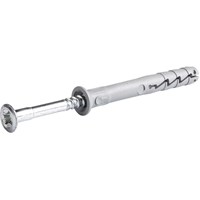
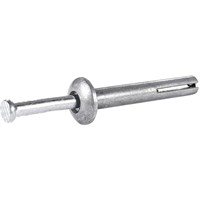
Rawl FX-N-L Nylon Hammer In Fixing with A2 Steel Countersunk Head Screw
in stock
 Loading...
End of content
Error - No more pages to load
About Hammer In Fixings
Hammer in fixings, also known as knock-in fixings or drive fixings, are fast-acting mechanical fasteners designed for quick and reliable installation into solid base materials such as concrete, brick, and blockwork. Unlike traditional fixings that require separate plugs and screws, these innovative fasteners combine both elements into a single component that's simply hammered into a pre-drilled hole, making them ideal for high-volume fixing applications across construction and installation projects.
MyToolShed.co.uk stocks a comprehensive range of premium Rawlplug hammer in fixings, available with various head styles including cylindrical heads, mushroom heads, and countersunk heads to suit different application requirements. The nylon body expands as the screw or nail is driven home, creating a secure mechanical lock within the base material. These non-conductive fixings offer excellent corrosion resistance, making them particularly suitable for electrical installations where earthing through the fixing must be avoided.
Applications
Hammer in fixings are essential for numerous trades and applications:
- Electricians – fixing cable trunking, conduit clips, back boxes, and cable management systems to masonry
- Carpenters and Joiners – securing timber battens, door frames, and window boards to solid walls
- Dry Liners and Plasterers – fixing metal furring channels and timber framework prior to plasterboard installation
- Plumbers and Heating Engineers – mounting pipe clips and brackets for central heating and water supply pipes
- HVAC Installers – securing ducting supports and ventilation system components
- Shop Fitters – installing shelving systems, display units, and retail fixtures
- Facilities Maintenance Teams – general fixing and mounting work across commercial and industrial premises
- DIY Enthusiasts – home improvement projects requiring secure fixings into masonry
Choosing The Right Hammer In Fixings
Base Material: Verify that hammer in fixings are suitable for your substrate. They perform best in solid concrete, brick, and dense blockwork. For lighter materials like aerated concrete blocks, specialist fixings may be more appropriate.
Head Style: Choose cylindrical heads for general-purpose applications, mushroom heads where a wider bearing surface is beneficial, or countersunk heads where a flush finish is required for aesthetic or safety reasons.
Load Requirements: Calculate the static and dynamic loads your fixing must support. Manufacturer specifications provide working loads for different base materials and embedment depths.
Screw Material: Standard steel screws suit most internal applications, whilst A2 stainless steel versions available at MyToolShed.co.uk offer superior corrosion resistance for damp environments or external use.
Fixing Length: Select dimensions based on the thickness of the material you're fixing plus the required embedment depth into the base material, typically 30mm to 50mm depending on fixing size and load requirements.
Safety Information
Always wear appropriate safety goggles and a dust mask when drilling into masonry to protect against dust and debris. Before drilling, use a cable and pipe detector to identify hidden electrical cables, water pipes, or gas lines. Ensure the hole diameter matches the fixing specification precisely – oversized holes reduce holding capacity whilst undersized holes prevent proper expansion. Maintain adequate spacing between fixings and observe minimum edge distances to prevent material breakout.
Frequently Asked Questions
What size drill bit do I need for hammer in fixings?
The required drill bit diameter is specified by the manufacturer for each fixing size and must be followed precisely. For most nylon hammer in fixings, common drill diameters range from 6mm to 10mm. Using the correct size is critical for proper grip and performance.
Can hammer in fixings be used in hollow walls or plasterboard?
No, hammer in fixings are designed specifically for solid base materials like concrete, brick, and stone. For hollow walls and plasterboard, you'll need specialist cavity fixings that grip behind the board.
How deep should I drill the hole?
The hole should be drilled approximately 5-10mm deeper than the embedment length of the fixing to allow space for dust and debris. Always clean the hole thoroughly before inserting the fixing to ensure the expansion mechanism works effectively.