
Hammer Handles
Pay in 3 interest-free payments on purchases from £30-2000 with
. Learn more.
Loading...
End of content
Error - No more pages to load
About Hammer Handles
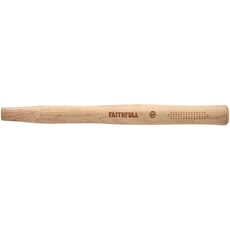
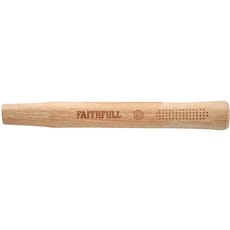
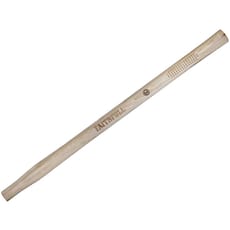
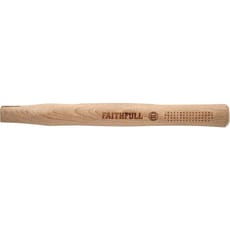
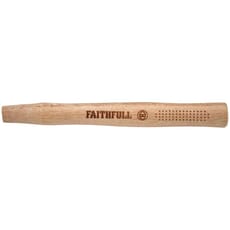
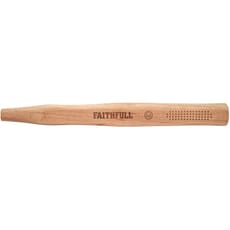
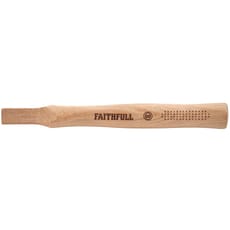
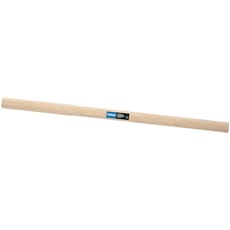
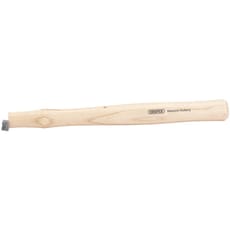
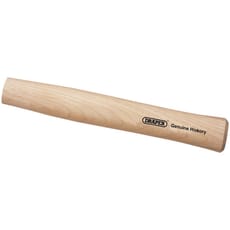
Hammer handles are essential replacement components that allow you to restore worn, damaged or broken hammers back to full working condition. Rather than replacing an entire hammer when the handle fails, you can simply fit a new shaft to extend the life of your trusted hammer head. Available in a range of sizes and styles to suit different hammer types including claw hammers, club hammers, sledge hammers, ball pein hammers and joiners hammers, these replacement handles are typically crafted from high-quality hickory wood for exceptional strength and shock absorption.
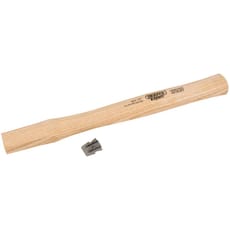
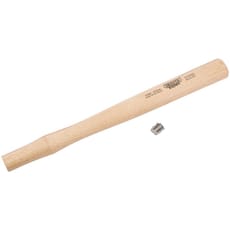
Quality hammer handles are precision-engineered to meet exacting standards, with many manufactured from FSC-certified hickory that combines durability with sustainability. The natural grain structure of hickory provides excellent resistance to splitting and fatigue, while its inherent flexibility helps absorb impact forces and reduce user strain during repetitive striking tasks. Most replacement handles come complete with wedges to ensure a secure, tight fit that prevents the hammer head from loosening during use.
Whether you're a professional tradesperson maintaining your essential toolkit or a DIY enthusiast looking to restore a family heirloom hammer, investing in a proper replacement handle is far more economical than purchasing new tools. With trusted brands like Faithfull and Draper offering reliable replacement shafts for virtually every hammer type, you can keep your tools in service for years to come whilst maintaining the safety and performance standards required for professional work.
Jargon Buster
- Hickory
- A hardwood species native to North America, prized for hammer handles due to its exceptional strength-to-weight ratio, shock-absorbing properties and resistance to splitting. Hickory grain structure naturally dissipates impact forces, making it the preferred material for quality hammer shafts.
- Wedge
- A small piece of wood or metal inserted into the top of the hammer handle after the head is fitted. The wedge expands the wood fibres inside the hammer head's eye, creating a secure mechanical lock that prevents the head from working loose during use.
- FSC-Certified
- Forest Stewardship Council certification indicates the timber comes from responsibly managed forests that meet environmental, social and economic standards. FSC hickory provides assurance of sustainable sourcing without compromising on quality.
- Eye
- The tapered hole through the hammer head where the handle is inserted. The eye is typically wider at the top to accommodate the wedge and create a secure taper-lock fitting.
- Shaft Length
- The overall length of the handle, which varies depending on hammer type and intended use. Longer shafts on sledge hammers provide greater leverage, whilst shorter handles on pin hammers offer better control for precision work.
- Grain Orientation
- The direction of wood fibres running through the handle. Properly oriented grain running parallel to the striking direction maximises strength and prevents breakage under load.
Who Uses Hammer Handles?
Hammer handles are essential replacement components used by a wide variety of trades and users, including:
- General Builders - maintaining claw hammers and club hammers for everyday construction tasks
- Carpenters and Joiners - replacing worn handles on specialist joiners hammers and claw hammers used for precise woodworking
- Demolition Contractors - fitting new shafts to heavy-duty sledge hammers subject to intensive use
- Metalworkers and Engineers - restoring ball pein hammers and cross pein hammers used for shaping metal
- Roofers - maintaining slate hammers and specialist roofing tools
- Landscapers - replacing club hammer handles used for fencing and paving work
- Tool Hire Companies - refurbishing rental equipment to maintain fleet condition
- DIY Enthusiasts - restoring inherited or vintage hammers with sentimental or collector value
- Maintenance Teams - keeping site tools operational without the expense of complete replacement
- Agricultural Workers - maintaining farm tools subjected to harsh outdoor conditions
How to Choose the Right Hammer Handles
Selecting the correct replacement handle ensures safety, performance and longevity. Consider these key factors when choosing:
Hammer Type Compatibility: Match the handle specifically to your hammer type. Claw hammer handles differ from sledge hammer shafts in both length and head fitting dimensions. Always check the product specifications to ensure compatibility with your hammer head's eye size and shape.
Handle Length: Choose a shaft length appropriate to the original tool design. Short handles (250-350mm) suit pin hammers and small ball pein hammers for controlled precision work. Medium lengths (350-450mm) are ideal for general purpose claw hammers and joiners hammers. Long handles (600-900mm) provide the leverage needed for club hammers and sledge hammers used in demolition work.
Material Quality: Opt for genuine hickory rather than cheaper alternatives like ash or synthetic materials. Look for FSC-certified hickory from reputable brands like Faithfull or Draper, which ensures consistent grain quality and sustainable sourcing. Inspect that the grain runs straight along the length without knots or defects that could compromise strength.
Wedge Inclusion: Check whether wedges are supplied with the handle. Most quality replacements include appropriately sized wooden or metal wedges essential for secure fitting. Without the correct wedge, you risk the hammer head loosening during use, creating a serious safety hazard.
Brand Reputation: Trusted manufacturers maintain strict quality control over grain selection, moisture content and dimensional accuracy. Established brands also provide better consistency if you need to replace multiple handles across your toolkit.
Finish and Treatment: Quality handles feature smooth, splinter-free finishes that won't cause hand irritation during extended use. Some may have protective treatments or lacquers, though many professionals prefer untreated hickory for better grip characteristics.
Popular Accessories
- Replacement Wedges - spare wooden and metal wedges in various sizes for secure hammer head fitting
- Linseed Oil - traditional wood treatment to preserve and protect hickory handles from moisture and splitting
- Wood Rasps and Files - for fine-tuning handle dimensions to achieve perfect fit in hammer head eye
- Hammer Heads - replacement heads in various styles to pair with new handles
- Work Gloves - protective gloves to improve grip and reduce vibration during hammer use
- Tool Belts and Hammer Holders - for convenient carrying of restored hammers on site
- Sandpaper and Abrasives - for smoothing and finishing handle surfaces
- Wood Adhesive - additional security for handle-to-head joints in specialist applications
- Tool Storage Solutions - protect restored hammers from damage during transport and storage
Safety Information
Proper installation and maintenance of hammer handles is critical for safe tool operation. Always ensure the replacement handle is securely fitted with appropriate wedges before use. A loose hammer head can detach during striking, causing serious injury to the user or bystanders. Check the handle fitting regularly, especially during the first few uses, and re-wedge if any looseness develops.
Inspect handles before each use for cracks, splits or damage that could cause failure under load. Never use a hammer with a damaged handle, as it may break during striking, resulting in loss of control. Replace handles immediately if you notice any deterioration. The HSE recommends regular tool inspections as part of workplace safety protocols.
When fitting a new handle, follow manufacturer instructions carefully regarding wedge installation and any settling period. Some hickory handles may require re-wedging after initial use as the wood settles into the hammer head eye. Wear appropriate PPE including safety glasses when using any hammer, as striking can generate flying debris regardless of handle condition.
Store hammers in dry conditions to prevent moisture absorption that can cause wood swelling or rot. Avoid leaving tools in damp environments or vehicle boots where condensation can accumulate. Properly maintained hickory handles should provide years of reliable service when given appropriate care.
Frequently Asked Questions
How do I fit a replacement hammer handle?
Remove any remnants of the old handle from the hammer head eye, ensuring it's completely clean. Insert the new handle through the eye from the bottom, tapping it firmly until the head sits at the correct position. The handle should protrude slightly above the head. Insert the wedge into the slot at the top of the handle and drive it in firmly until secure. Some handles may require trimming to achieve the perfect fit - use a saw and rasp to adjust carefully.
Why is hickory preferred for hammer handles?
Hickory combines exceptional strength with natural shock-absorbing properties due to its unique grain structure. It's significantly stronger than most alternatives whilst remaining flexible enough to absorb impact forces, reducing user fatigue and the risk of handle breakage. Hickory's resistance to splitting makes it ideal for the repeated stresses of hammer use, which is why it's been the professional's choice for generations.
Can I use a hammer immediately after fitting a new handle?
Whilst you can use the hammer after proper wedging, it's advisable to check the tightness after the first hour or so of use. Hickory can compress slightly as it settles into the eye, potentially requiring the wedge to be driven in further. Many experienced tradespeople re-check and re-wedge after the first day of use to ensure optimal security.
How long should a quality hammer handle last?
With proper care and appropriate use, a quality hickory handle can last many years, potentially decades. Lifespan depends on usage intensity, storage conditions and maintenance. Professional tradespeople using hammers daily may need to replace handles every few years, whilst occasional DIY users might never need a replacement. Regular inspection and protection from moisture significantly extends handle life.
Are all hammer handles the same size?
No, hammer handles vary considerably in both length and eye fitting dimensions depending on the hammer type and size. A claw hammer handle differs from a club hammer shaft, which differs again from a sledge hammer handle. Always match the replacement handle to your specific hammer type and check dimensional compatibility before purchasing to ensure proper fit and safe operation.