
Grouting Sponges & Cleaning

Pay in 3 interest-free payments on purchases from £20-£3000 with  . Learn more.
 Loading...
End of content
Error - No more pages to load
About Grouting Sponges & Cleaning
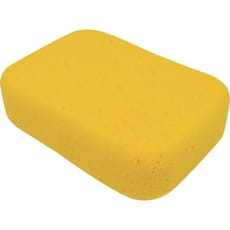
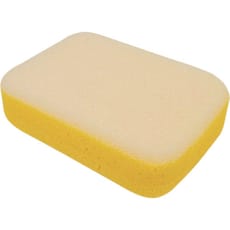
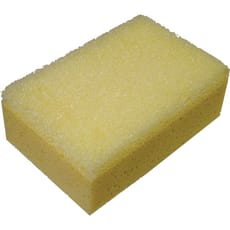
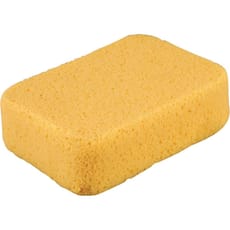
Grouting sponges and cleaning tools are essential for achieving professional finishes when tiling walls, floors, and splashbacks. After grouting has been applied between tiles, specialist sponges remove excess material, smooth grout lines, and polish surfaces to eliminate grout haze. MyToolShed.co.uk stocks a comprehensive range from leading brands including Vitrex, Faithfull, and Rubi, with products designed specifically for tile work featuring rounded edges that won't dig into fresh grout joints and high absorbency to lift cement residue efficiently.
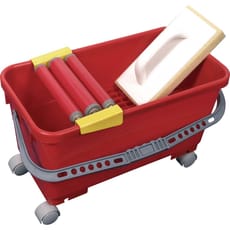
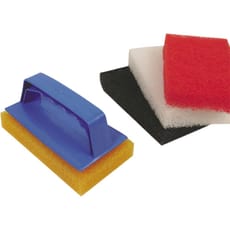
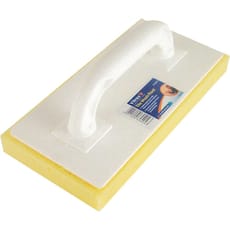
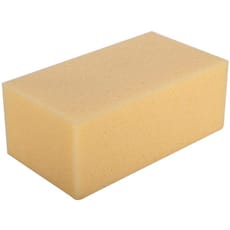
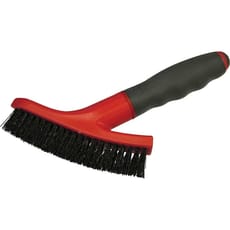
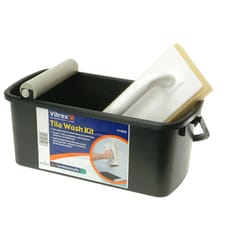
The category includes standard grouting sponges, extra-large super sponges for larger projects, complete professional washing kits with buckets and accessories, grout scrubbing brushes for stubborn residue, and specialised grout wash floats. Whether you're a professional tiler working on multiple sites or a DIY enthusiast tackling a bathroom renovation, MyToolShed stocks the proper cleaning tools to ensure your tiling work achieves a spotless, professional-quality finish.
Applications
- Professional Tilers: Daily use on ceramic, porcelain, and natural stone installations requiring reliable, durable cleaning tools
- Bathroom and Kitchen Fitters: Finishing wet rooms, shower enclosures, and splashback installations to professional standards
- General Builders: Completing tiling work during renovation and extension projects
- Property Maintenance Teams: Tile repairs, re-grouting, and refurbishment work in commercial and residential buildings
- DIY Enthusiasts: Home improvement projects including bathroom, kitchen, and utility room tiling
- Interior Designers: Overseeing and completing finishing work on tiled surfaces
Choosing The Right Grouting Sponges & Cleaning
Project Scale: Small domestic jobs like splashbacks require a standard grouting sponge or basic tile wash kit, whilst larger commercial installations benefit from extra-large super sponges and complete professional washing kits that withstand extended use.
Tile Type: Smooth glazed ceramic tiles clean easily with standard sponges, whereas textured porcelain or natural stone tiles may require softer sponges to avoid scratching or more robust scrubbing brushes for stubborn residue lodged in textured surfaces.
Sponge Quality: Professional-grade hydrophilic sponges offer superior absorbency and durability compared to household sponges. Look for dense, fine-pore construction with rounded edges and expect better longevity from quality brands stocked at MyToolShed.co.uk.
Kits vs Individual Tools: Complete tile washing kits provide excellent value and convenience for occasional users, bundling sponges, buckets, and accessories together. Experienced tradespeople may prefer selecting individual components to build a personalised toolkit matched to their preferred working methods.
Frequently Asked Questions
When should I start cleaning tiles after grouting?
Wait approximately 15-30 minutes after applying grout, until it has firmed up but not fully hardened. The grout should resist gentle touch without pulling from joints, yet remain soft enough to clean easily. Timing varies with temperature and humidity, so test a small area first to avoid removing grout prematurely or allowing it to set too hard.
Why use a specialist grouting sponge instead of a regular household sponge?
Professional grouting sponges feature rounded edges that glide over grout lines without digging into joints and removing material. They're manufactured from hydrophilic materials specifically designed to absorb cement particles efficiently, whilst maintaining their shape through repeated rinsing and wringing. Household sponges typically smear residue rather than lifting it effectively.
How do I remove stubborn grout haze after initial cleaning?
Use a clean, damp sponge to gently buff affected tiles using circular motions. For persistent haze, a heavy-duty grout scrubbing brush or specialised grout haze remover may be necessary. Work in small sections and polish immediately with a dry cloth. Always test cleaning methods on an inconspicuous area first, particularly with natural stone tiles.