

Grip Gloves
Pay in 3 interest-free payments on purchases from £30-2000 with  . Learn more.
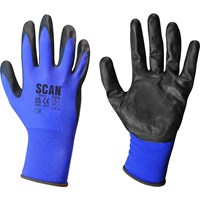
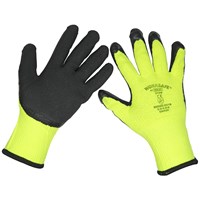
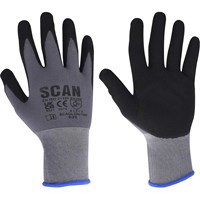
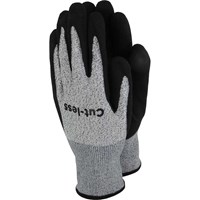
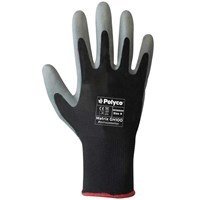
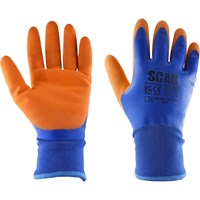
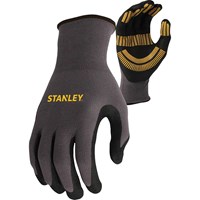
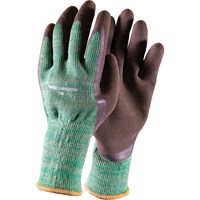

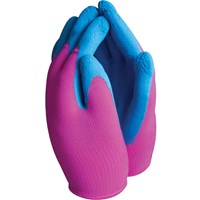
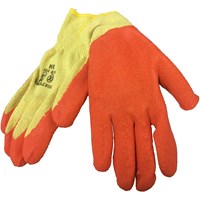
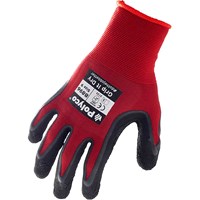
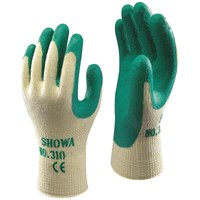
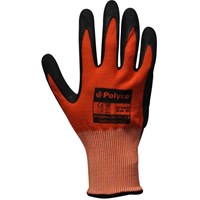
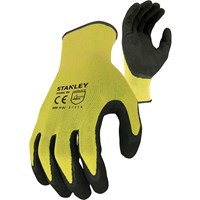
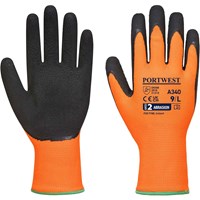
 Loading...
End of content
Error - No more pages to load
About Grip Gloves
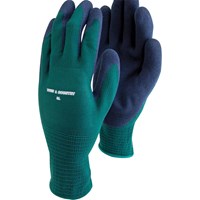
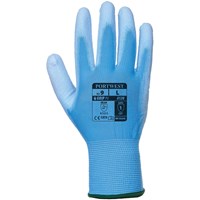
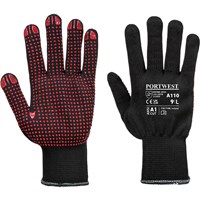
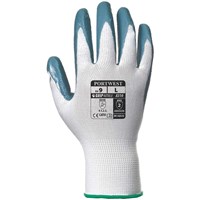
Grip gloves are an essential piece of personal protective equipment (PPE) for tradespeople, gardeners, and DIY enthusiasts who need enhanced dexterity and protection whilst handling materials, tools, and equipment. Designed with specialised coating materials such as latex, nitrile, or foam, these gloves provide superior grip in both wet and dry conditions, reducing hand fatigue and improving safety across countless tasks. From construction sites to workshops, warehouses to gardens, grip gloves combine comfort with functionality to help you work more efficiently and safely.
MyToolShed.co.uk stocks a comprehensive range of grip gloves featuring trusted brands including Portwest, Polyco, Scan, Sealey, DeWalt, and Stanley. Whether you need heavy-duty latex-coated work gloves for demanding site work, ultra-lightweight nitrile options for precision tasks, or specialised touchscreen-compatible gloves for modern work environments, our collection caters to every requirement. Available in various coating thicknesses, sizes, and protection levels, these gloves are engineered to meet rigorous UK and European safety standards whilst delivering the comfort needed for all-day wear.
Applications
Grip gloves are indispensable across numerous trades and industries throughout the UK:
- Construction Workers and Builders: Handling materials, timber, bricks, and general site work requiring reliable grip and abrasion protection
- Warehouse and Logistics Personnel: Essential for handling packages, operating machinery, and managing stock in distribution centres
- Electricians and Sparkies: Providing dexterity for precise wiring work whilst offering basic hand protection
- Mechanics and Vehicle Technicians: Nitrile-coated options resist oils and provide grip when handling engine components
- Joiners and Chippies: Handling timber, sheet materials, and power tools safely throughout the day
- Landscapers and Groundskeepers: Heavy-duty protection during planting, maintenance, and general outdoor work
- Manufacturing and Assembly Workers: Lightweight options for repetitive precision tasks
- DIY Enthusiasts: Professional-grade protection for weekend projects and garden maintenance
Choosing The Right Grip Gloves
Coating Type: Latex gloves offer excellent flexibility and grip at economical prices, ideal for general handling tasks. Nitrile gloves provide superior puncture resistance and chemical resistance, particularly when working with oils and greases. Foam coatings excel in both wet and dry conditions whilst providing additional cushioning that reduces hand fatigue.
Safety Ratings: Check EN 388 ratings to ensure gloves meet your protection requirements. The standard uses a four-digit code indicating performance levels for abrasion, cut, tear, and puncture resistance. Higher numbers provide greater protection. For site work under HSE regulations, ensure gloves meet minimum safety requirements for your specific tasks.
Comfort and Fit: Properly fitted gloves are crucial for both safety and productivity. Seamless knit construction reduces pressure points, whilst breathable liners prevent excessive perspiration. Higher gauge numbers (13G, 15G, 18G) indicate finer, more flexible knits that provide better dexterity for precision work.
Environmental Conditions: Working outdoors in British weather requires consideration of wet-grip performance. Foam-coated gloves typically perform well in damp conditions, whilst some designs incorporate thermal liners for cold weather work. For hot environments or welding proximity, flame-resistant options provide essential protection.
Safety Information
Grip gloves form a critical component of workplace PPE under Health and Safety Executive (HSE) regulations. Always inspect gloves before each use, checking for tears, punctures, or degraded coating that could compromise protection. Damaged gloves should be replaced immediately. Whilst grip gloves protect against mechanical risks, they are not suitable for all hazards—never use standard grip gloves when working with electricity, extreme heat, or hazardous chemicals unless specifically rated for those conditions.
Be aware of latex allergies when selecting gloves. If you experience skin irritation or allergic reactions to latex gloves, switch to nitrile alternatives which provide comparable performance without allergenic proteins. MyToolShed.co.uk offers extensive nitrile options from brands like Portwest and Polyco suitable for all users.
Frequently Asked Questions
What's the difference between nitrile and latex grip gloves?
Latex gloves offer excellent flexibility, comfort, and grip at an economical price point, making them ideal for general handling tasks. Nitrile gloves provide superior puncture resistance, chemical resistance, and durability, particularly when working with oils, greases, and solvents. They're hypoallergenic, making them suitable for all users. For automotive and engineering applications, nitrile is the preferred choice, whilst latex excels in construction and general site work.
How often should I replace my grip gloves?
Replacement frequency depends on usage intensity and working conditions. For daily professional use in demanding environments, expect to replace gloves weekly or fortnightly. Inspect gloves regularly for signs of wear including coating damage, holes, thinning material, or reduced grip performance. Replace gloves as soon as protection becomes compromised—the modest cost of new gloves is negligible compared to treating hand injuries.
Can I use grip gloves for electrical work?
Standard grip gloves provide no electrical insulation and must never be relied upon for protection against electric shock. They're suitable for mechanical tasks during electrical work such as handling conduit or cable pulling, but specialised electrically-insulated gloves rated to relevant BS EN standards are required for live electrical work.