
Glass Sandpaper
Pay in 3 interest-free payments on purchases from £30-2000 with  . Learn more.
 Loading...
End of content
Error - No more pages to load
About Glass Sandpaper
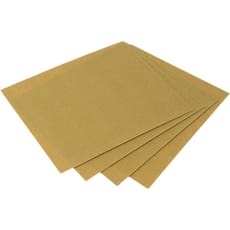
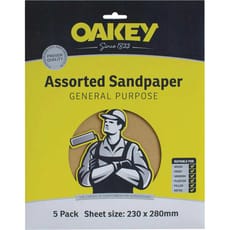
Glass sandpaper, traditionally known as glasspaper, is a cost-effective abrasive paper featuring crushed glass particles bonded to a paper backing. This classic sanding material has been trusted by tradespeople and DIY enthusiasts for generations, offering an economical solution for light to medium sanding tasks on softwoods and surface preparation work. MyToolShed.co.uk stocks quality glass sandpaper from respected brands including Faithfull, Oakey, and Sealey, available in various grit grades from coarse to fine finishing options.
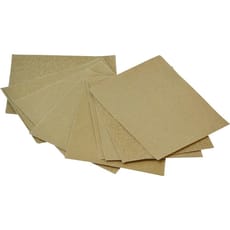
Available as individual sheets, multi-packs, and convenient sets complete with cork sanding blocks, glass sandpaper remains popular for hand sanding applications where frequent abrasive changes are expected. Whilst less durable than modern aluminium oxide alternatives, glasspaper provides excellent value for paint preparation, general workshop maintenance, and projects where basic finishing is required. Standard sheets typically measure 230mm x 280mm and can be easily torn or cut to size for wrapping around sanding blocks or folding for detailed work.
Applications
Glass sandpaper serves a wide range of professional trades and DIY applications:
- Painters and Decorators: Surface preparation, flatting between coats, and achieving smooth finishes before painting
- Carpenters and Joiners: Preliminary sanding of softwood components and general workshop preparation tasks
- Cabinet Makers: Initial sanding stages on softwood pieces before progressing to finer abrasives
- Furniture Restorers: Gentle paint and varnish removal on period furniture requiring careful treatment
- Maintenance Teams: General site maintenance, light refurbishment projects, and preparation work
- DIY Enthusiasts: Home improvement projects, furniture upcycling, and household repairs
- Model Makers and Hobbyists: Small-scale projects requiring precision sanding on delicate materials
Choosing The Right Glass Sandpaper
Grit Selection: Match the grit grade to your specific task. Coarse grits (40-60) remove material quickly for paint stripping and heavy sanding, medium grits (80-120) suit general smoothing work, whilst fine grits (150-240) provide final preparation before finishing. Consider purchasing assortment packs from MyToolShed.co.uk for maximum versatility across different projects.
Material Compatibility: Glass sandpaper performs best on softwoods like pine and spruce. For hardwoods, painted surfaces, or metal work, aluminium oxide alternatives offer improved durability and cutting efficiency.
Format and Quantity: Standard sheets can be torn or cut to suit your application. Cork block sets include pre-sized sheets that fit specific block dimensions, reducing waste and offering convenience. Professional users tackling larger projects benefit from multi-pack options for better value per sheet.
Accessories: Consider pairing glass sandpaper with cork sanding blocks for improved control, even pressure distribution, and comfortable grip during extended hand sanding sessions.
Safety Information
Always work in well-ventilated areas and wear appropriate dust masks conforming to HSE guidelines, particularly during extended sanding sessions. Fine dust particles can irritate respiratory systems and eyes. Use FFP2 or FFP3 rated respirators when sanding old painted surfaces that may contain lead or other hazardous materials.
Cork sanding blocks distribute pressure evenly and prevent blisters during prolonged use. Wear safety glasses or goggles to protect against airborne dust and loose particles, especially when working overhead. When sanding pre-1960s paintwork, be aware of potential lead content and consult COSHH guidelines for materials requiring special handling procedures.
Frequently Asked Questions
What's the difference between glass sandpaper and aluminium oxide sandpaper?
Glass sandpaper uses crushed glass particles as the abrasive material and is more economical but less durable than aluminium oxide alternatives. Glass sandpaper suits lighter tasks on softwoods, whilst aluminium oxide lasts longer and cuts more aggressively, particularly on hardwoods and painted surfaces. Choose glass sandpaper for budget-conscious projects where frequent abrasive changes are expected.
Which grit should I use for preparing wood before painting?
For bare softwood, start with 80-120 grit to smooth the surface and remove any marks, then progress to 150-180 grit for final preparation before priming and painting. If you're flatting between paint coats, use 180-240 grit for a smooth finish. Always sand in the direction of the wood grain to avoid scratches.
Can I use glass sandpaper with power sanders?
Whilst glass sandpaper sheets can be cut to fit some palm sanders, they're not ideal for power sanding applications. The paper backing and glass abrasive aren't designed to withstand the heat and friction generated by power tools. For best results with orbital or detail sanders, use purpose-made sanding discs or sheets specifically designed for power tool use.