

General Cutting Bits
Pay in 3 interest-free payments on purchases from £30-2000 with  . Learn more.
 Loading...
End of content
Error - No more pages to load
About General Cutting Bits
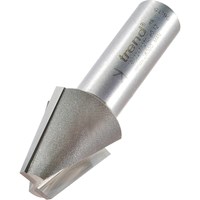
General cutting bits are precision router cutters designed to create a diverse range of profiles, joints, grooves and decorative edges in timber and composite materials. MyToolShed.co.uk stocks an extensive selection of 50 general cutting bits from Trend, covering everything from bearing-guided architrave and glazing bar cutters to specialist tools like butterfly spline joiners, variable kerf groovers and intumescent recess cutters. These versatile router bits enable professional tradespeople and serious DIY enthusiasts to achieve accurate, repeatable results across numerous woodworking applications.
The collection features both bearing-guided cutters that follow templates or workpiece edges with exceptional precision, and non-bearing variants ideal for router table operations. Whether you're creating architectural mouldings, forming complex joinery, cutting fire door recesses, or producing undermount bowl bevels in worktops, there's a specialised tungsten carbide tipped (TCT) cutter engineered for the task. All products feature high-quality TCT construction for extended tool life and clean cuts through hardwoods, softwoods and man-made boards.
Applications
General cutting bits serve a wide range of professional trades and woodworking applications:
- Joiners and Carpenters - architectural mouldings, door and window profiles, decorative timber features
- Kitchen Fitters - worktop joints, undermount sink recesses, decorative cabinet edge profiles
- Cabinet Makers - precision jointing, furniture construction, decorative mouldings
- Fire Door Installers - intumescent strip recesses for Building Regulations compliance
- Shopfitters - bespoke display units, shelving systems, commercial joinery
- Staircase Specialists - handrail profiles, spindle work, architectural detailing
- Restoration Specialists - matching historical profiles, replicating period features
- DIY Enthusiasts - home improvement projects requiring professional-quality finishing
Choosing The Right General Cutting Bits
Profile and Application: Identify your specific task first. Architrave cutters create decorative trim work, housing cutters form shelf joints, whilst bevel cutters produce chamfered edges. Consider whether you need bearing guidance for freehand work or a non-bearing cutter for router table use.
Shank Compatibility: Ensure the bit shank matches your router's collet - 1/4 inch (6.35mm) for lighter work or 1/2 inch (12.7mm) for superior rigidity and demanding applications. Never reduce a larger shank to fit a smaller collet.
Material Considerations: TCT cutters available at MyToolShed.co.uk are essential for man-made boards like MDF and chipboard, which rapidly blunt standard steel. Trend's thick carbide tips can be resharpened multiple times for extended service life.
Bearing Position: Check whether bearings are top or bottom-mounted, as each suits different routing scenarios. Some cutters offer interchangeable bearings for profile adjustment flexibility.
Router Power Rating: Match cutter diameter to your router's power. Larger diameter cutters require more powerful routers (typically 1200W+) to maintain safe operating speeds.
Safety Information
Router cutters operate at extremely high speeds and demand strict safety protocols. Always wear safety glasses, hearing protection and dust masks when routing. Disconnect the router from 240v mains power before fitting cutters. Insert the bit shank fully into the collet, then withdraw approximately 1.5mm before tightening securely.
Large diameter cutters must run at reduced speeds to avoid dangerous rim speeds - consult manufacturer guidelines. Never force cutters through material; excessive feed rates cause burning and potential kickback. Ensure workpieces are properly secured with clamps before routing, and never attempt to hold small pieces by hand. Allow cutters to stop completely before setting the router down.
Frequently Asked Questions
What's the difference between bearing-guided and non-bearing router cutters?
Bearing-guided cutters feature a ball-bearing pilot that runs along the workpiece edge or template, controlling cutting depth automatically - ideal for freehand profiling. Non-bearing cutters require a fence, guide rail or router table for depth control, making them preferred for groove cutting and straight-line operations.
How often should TCT router bits be sharpened?
Sharpen TCT router cutters when you notice burning marks on timber, increased feeding effort, or rough cut surfaces. For professionals routing abrasive materials daily, this might be every few months. Quality Trend cutters can typically be resharpened 3-5 times before carbide thickness becomes insufficient.
Why do some general cutting bits have variable adjustment features?
Variable kerf groovers and adjustable quad groove sets allow width adjustment to accommodate different material thicknesses without requiring multiple fixed-width cutters. This is particularly valuable for biscuit jointing operations or creating grooves for panels of varying thickness, using shims or threaded positioning to alter spacing between cutting wings.