

Gauntlets
Pay in 3 interest-free payments on purchases from £30-2000 with  . Learn more.

 Loading...
End of content
Error - No more pages to load
About Gauntlets
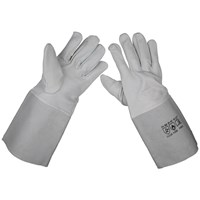
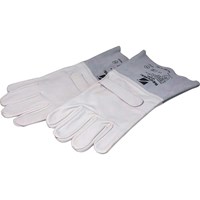
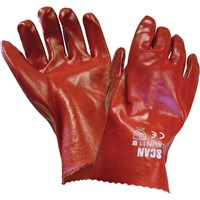
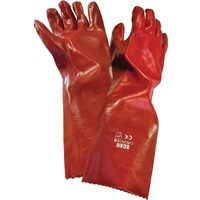
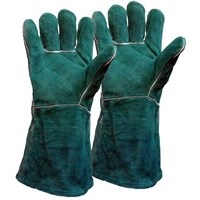
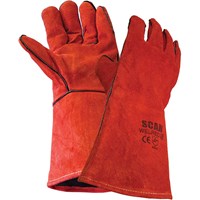
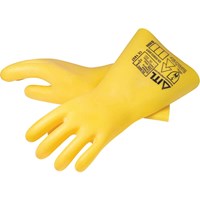
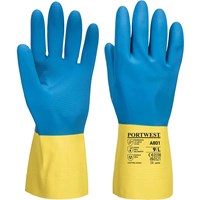
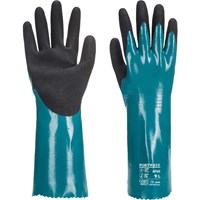
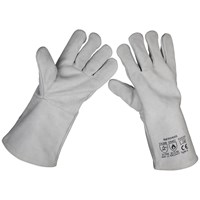
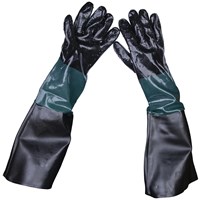
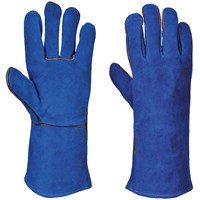
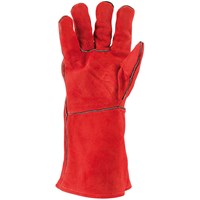
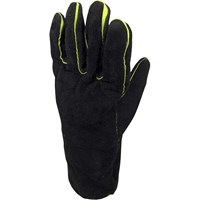
Gauntlets are extended protective gloves designed to safeguard both hands and forearms from workplace hazards including heat, sparks, cuts, chemical splashes, and electrical risks. Unlike standard work gloves that terminate at the wrist, gauntlets feature extended cuffs ranging from 350mm to 560mm in length, providing comprehensive coverage that bridges the gap between glove and sleeve. MyToolShed.co.uk stocks a diverse range of specialist gauntlets from trusted manufacturers including Portwest, Sealey, Scan, Draper, ITL, and Biztex.
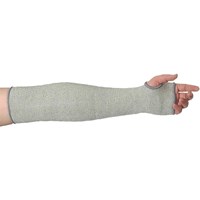
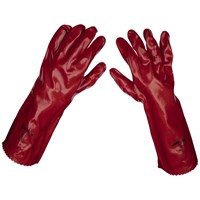
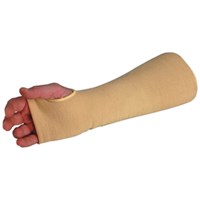
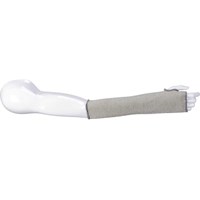
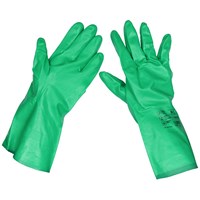
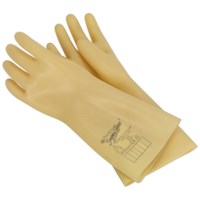
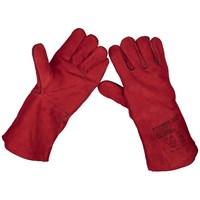
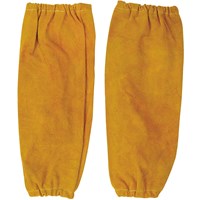
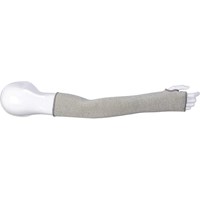
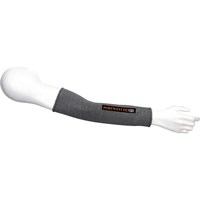
Available options include heavy-duty leather welders' gauntlets for heat protection, insulated rubber electrical safety gauntlets rated to Class 0 for working with 240v systems and beyond, cut-resistant sleeves with protection levels up to Level F under EN388 standards, and chemical-resistant nitrile or latex gauntlets with double-dipped coatings for enhanced durability. Whether you require TIG welding gloves for precision work, breathable elasticated sleeves for general protection, or specialist insulated gauntlets for electrical installations, this category provides essential PPE for professionals who need extended arm protection beyond what standard safety gloves can offer.
Applications
Gauntlets are essential protective equipment across numerous trades and industries:
- Welders and Fabricators: Heat-resistant leather gauntlets for MIG, TIG, and arc welding operations, protecting against sparks, spatter, and radiant heat
- Electricians: Insulated rubber gauntlets rated for working on or near live 240v equipment and high-voltage distribution systems
- Metal Workers and Sheet Metal Fabricators: Cut-resistant gauntlets when handling sharp edges, metal sheets, and during grinding operations
- Chemical Industry Workers: Chemical-resistant gauntlets with extended cuffs to prevent hazardous substances contacting skin
- Glass Handlers and Glaziers: High cut-resistance protection when handling large glass sheets and sharp materials
- Foundry Workers: Heat-resistant gauntlets for handling high-temperature materials and molten metals
- Gardeners and Landscapers: Thorn-proof gauntlets for rose pruning, bramble clearance, and handling prickly plants
- Maintenance Engineers: Various gauntlet types for tasks involving heat, chemicals, sharp components, or electrical hazards
- Construction Workers: General-purpose gauntlets for demolition, groundwork, and handling rough building materials
Choosing The Right Gauntlets
Identify Your Primary Hazard: Determine whether you need protection from heat, cuts, chemicals, or electrical risks. Welding gauntlets prioritise heat resistance, electrical work demands properly rated insulated rubber gauntlets meeting BS EN 60903 standards, whilst cut-resistant options suit metal work and glass handling.
Check Protection Ratings: Electrical gauntlets are classified by voltage rating (Class 00 to Class 4), whilst cut resistance follows EN388 standards with levels A through F. Ensure your chosen gauntlets meet or exceed the minimum protection level required for your specific tasks and HSE compliance.
Assess Cuff Length: MyToolShed.co.uk stocks gauntlets ranging from 350mm to 560mm in length. Welding operations typically require longer cuffs to prevent sparks entering the glove, whilst general handling may only need shorter sleeves. Consider your working position and exposure risks.
Material Selection: Leather offers excellent heat and abrasion resistance for welding, rubber provides electrical insulation, whilst nitrile and latex coatings deliver chemical resistance and grip. Double-dipped options provide enhanced durability in demanding environments.
Safety Information
Always inspect gauntlets before each use for tears, punctures, degraded coatings, or contamination. Damaged gauntlets must be removed from service immediately as compromised protection can lead to serious injury. Electrical safety gauntlets require particular attention and must be regularly tested according to BS EN 60903 standards—never use insulated gauntlets beyond their stated voltage rating or after their test date has expired.
Ensure gauntlets are appropriate for the specific hazard. Never use welding gauntlets for electrical work or vice versa, as this provides inadequate protection and creates serious safety risks. Store gauntlets correctly away from direct sunlight, heat sources, and chemicals that might degrade materials.
Frequently Asked Questions
What's the difference between gauntlets and standard work gloves?
Gauntlets feature an extended cuff providing forearm protection typically between 350-560mm in length, covering the area beyond the wrist. This extended coverage protects against hazards like welding sparks, chemical splashes, or cuts that might otherwise reach exposed skin between glove and sleeve. Standard work gloves end at the wrist and don't provide this additional forearm protection.
Can I use welding gauntlets for electrical work?
Absolutely not. Welding gauntlets are designed for heat and spark protection but offer no electrical insulation. Electrical work requires specialist insulated rubber gauntlets tested and rated according to BS EN 60903 standards for specific voltage levels. Using inappropriate gloves when working with 240v systems or higher voltages can result in fatal electric shock.
How do I know what cut resistance level I need?
Cut resistance is rated from Level A (lowest) to Level F (highest) under EN388 standards. General handling and light assembly work typically requires Level A-C, whilst metal fabrication, glass handling, and working with sharp materials needs Level D-F. Consult your workplace risk assessment and HSE guidance to determine the appropriate level for your specific tasks.