
Gauging Trowels

Pay in 3 interest-free payments on purchases from £20-£3000 with  . Learn more.
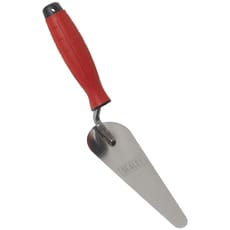
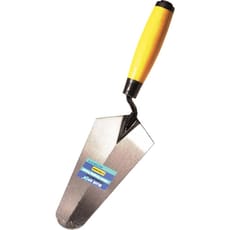
 Loading...
End of content
Error - No more pages to load
About Gauging Trowels
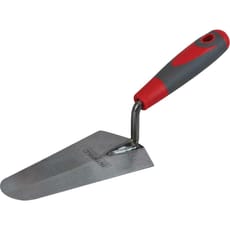
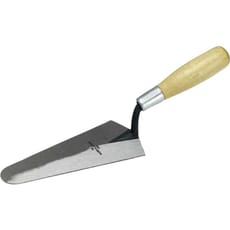
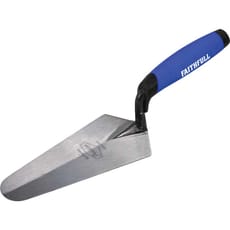
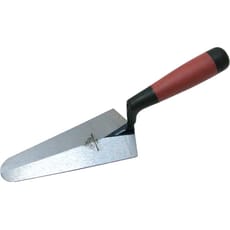
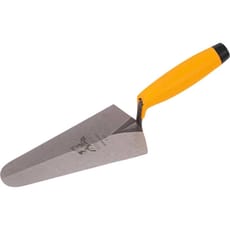
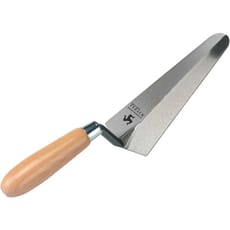
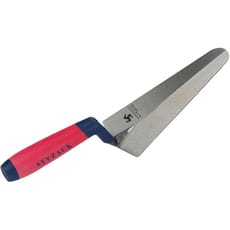
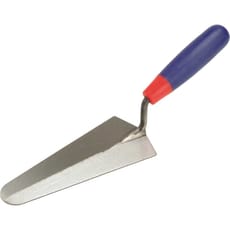
A gauging trowel is an indispensable hand tool for plasterers, bricklayers, tilers, and general builders working with small quantities of plaster, mortar, or adhesive. Featuring compact blades typically measuring between 150mm and 180mm in length, these versatile trowels excel at mixing small batches of material, filling gaps, patching work, and reaching into tight corners where larger plastering trowels simply cannot fit. Their maneuverable size makes them ideal for precision work around window reveals, door frames, and other detailed applications.
MyToolShed.co.uk stocks gauging trowels from trusted manufacturers including Marshalltown, Faithfull, RST, Draper, Tyzack, and Blue Spot. Available with traditional wooden handles, soft-grip designs, or ergonomic DuraSoft options, these tools feature blades manufactured from high-carbon steel or stainless steel to suit different working conditions and material types. Whether you're a professional tradesman or a DIY enthusiast, you'll find a gauging trowel that delivers the durability and comfort needed for daily mixing and application tasks.
Applications
Gauging trowels are essential tools across numerous trades and applications:
- Plasterers – mixing small batches of plaster and making repairs to walls and ceilings
- Bricklayers – preparing pointing mortar and filling gaps in brickwork
- Tilers – mixing adhesive and grout in manageable quantities for small areas
- General Builders – versatile patching, filling, and repair tasks across multiple trades
- Property Maintenance Professionals – quick repair work in rental and commercial properties
- Stonemasons – mixing specialised mortars and working in confined spaces
- DIY Enthusiasts – home improvement projects requiring small-scale plastering or tiling
- Restoration Specialists – detailed conservation work requiring careful material mixing
Choosing The Right Gauging Trowels
When selecting a gauging trowel from MyToolShed.co.uk, consider these key factors:
Blade Material: High-carbon steel blades offer excellent durability for general-purpose work and mixing duties. Stainless steel options provide superior corrosion resistance, easier cleaning, and better performance with acidic materials or in damp environments.
Handle Design: Traditional wooden handles suit occasional use, whilst soft-grip or DuraSoft handles significantly reduce hand fatigue during extended working periods. Rubber-grip handles provide enhanced comfort and control in cold or wet conditions.
Blade Size: Standard gauging trowels range from 150mm to 180mm. Smaller blades offer greater manoeuvrability in tight spaces, whilst larger options allow slightly bigger mixing quantities. A 150-160mm blade represents the ideal all-round choice for most tradespeople.
Brand Quality: Established manufacturers like Marshalltown, Faithfull, and RST produce reliable tools with superior steel quality and longer-lasting construction for demanding site work.
Frequently Asked Questions
What's the difference between a gauging trowel and a pointing trowel?
A gauging trowel is designed primarily for mixing small quantities of material and general patching work, with blades typically 150-180mm long. Pointing trowels have narrower, more elongated blades specifically shaped for filling joints between bricks and working in very confined spaces.
How should I maintain my gauging trowel?
Clean your gauging trowel immediately after use by scraping off excess material and washing with water. For stubborn residue, use a wire brush. Dry thoroughly to prevent rust, and occasionally apply light oil to carbon steel blades. Store in a dry location and inspect wooden handles regularly for damage.
Are soft-grip handles worth the investment?
For regular or extended use, soft-grip handles are highly worthwhile. They significantly reduce hand fatigue, provide better control in wet or cold conditions, and help prevent repetitive strain injuries. For occasional DIY projects, a standard wooden handle may suffice.