

Gas Test Gauges
Pay in 3 interest-free payments on purchases from £30-2000 with  . Learn more.
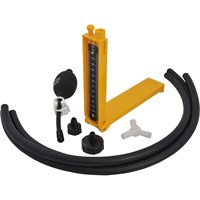
 Loading...
End of content
Error - No more pages to load
About Gas Test Gauges
Gas test gauges are precision instruments used by Gas Safe registered engineers to verify the safety and integrity of gas pipework installations. MyToolShed.co.uk stocks a comprehensive range of gas testing equipment including complete U gauge kits, manometers, replacement hoses, and essential accessories from trusted brands like Monument and Ridgid. These diagnostic tools enable tradespeople to conduct mandatory pressure and tightness tests on gas supply systems, ensuring compliance with UK building regulations before commissioning or after maintenance work.
The category features traditional water-filled U gauges—the industry-standard method for measuring gas pressure—alongside digital gas detectors that provide additional leak detection capabilities. MyToolShed offers both complete testing kits such as the Monument 174Z Air Testing U Gauge Kit and individual components including colour-coded hoses, tee pieces, and spare parts to maintain existing equipment. Whether conducting routine safety checks or commissioning new installations, having properly maintained gas test gauges is a legal requirement for anyone working with gas systems in the UK.
Applications
Gas test gauges are essential tools for professionals working across various sectors:
- Gas Safe Registered Engineers: Conducting mandatory pressure and tightness tests on all gas installations
- Heating Engineers: Testing boilers, central heating systems, and gas appliance installations
- Qualified Plumbers: Verifying gas pipework integrity during bathroom and kitchen installations
- Building Services Engineers: Testing commercial and industrial gas systems in larger properties
- Maintenance Technicians: Performing annual gas safety inspections and routine compliance checks
- Social Housing Teams: Conducting landlord safety certificates and emergency repairs
- Facilities Managers: Overseeing gas safety testing schedules for commercial premises
Choosing The Right Gas Test Gauges
Consider whether you need a complete testing kit or replacement components. The Monument 174Z provides everything required for comprehensive testing in a convenient carry case, ideal for engineers establishing their toolkit. For replacing worn equipment, MyToolShed.co.uk stocks individual hoses in colour-coded options (orange and black) to distinguish connection points and prevent cross-contamination.
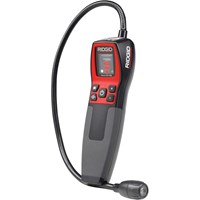
Accuracy is paramount when selecting gauges. Traditional water-filled U gauges remain popular due to their proven reliability and requirement for no batteries or calibration, though they must be transported carefully. Choose instruments with clear graduated scales and stable mounting capabilities. Complement traditional gauges with digital detectors like the Ridgid Micro CD-100 for rapid preliminary leak detection alongside regulatory-compliant pressure testing.
Keep spare components including replacement hoses, tee pieces, and fittings to prevent downtime from damaged equipment. Quality hoses manufactured from gas-resistant materials ensure accurate readings and longevity. Always verify compatibility with your existing gauge setup before purchasing replacement parts.
Safety Information
Gas testing must only be performed by Gas Safe registered engineers with appropriate ACS qualifications. Incorrect use or misinterpretation of readings can result in undetected leaks posing serious risks of fire, explosion, or carbon monoxide poisoning. Always inspect equipment before use—check hoses for cracks or perishing that could affect readings. U gauges must be level and stable during testing for accurate measurements.
Never leave gas systems under test pressure unattended. Follow HSE guidelines and current Gas Safety (Installation and Use) Regulations. Regular equipment maintenance and replacement of worn components ensures the accuracy required for safety-critical testing. Store equipment securely, protecting gauges from impact damage, and transport water-filled U gauges carefully to prevent spillage.
Frequently Asked Questions
How often should I replace gas test gauge hoses?
Inspect hoses before each use for wear, cracking, or perishing. Replace immediately if damage is visible or if hoses have become stiff. As a general rule, replace rubber hoses annually or after heavy use to maintain testing accuracy and safety.
Can I use a U gauge for both air and gas tightness testing?
Yes, U gauges are suitable for both air and gas testing. Many engineers conduct initial tests using air pressure as a safety measure before introducing gas. However, regulations require final testing with the actual gas supply to verify complete system integrity.
What pressure drop is acceptable during a tightness test?
For domestic natural gas installations at 21 mbar working pressure, there should be no discernible pressure drop over the test period (typically 2 minutes minimum). Any pressure drop indicates a leak requiring immediate rectification before the installation can be commissioned.