

Fuses & Fuse Testers
Pay in 3 interest-free payments on purchases from £30-2000 with  . Learn more.
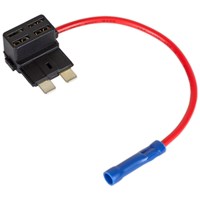
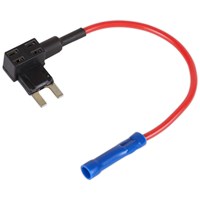
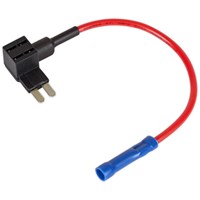
 Loading...
End of content
Error - No more pages to load
About Fuses & Fuse Testers
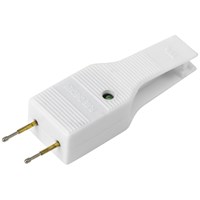
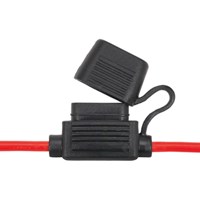
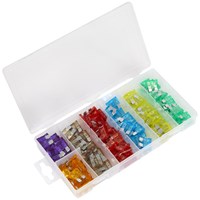
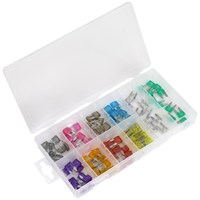
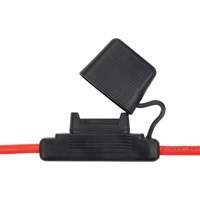
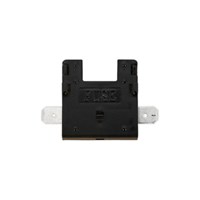
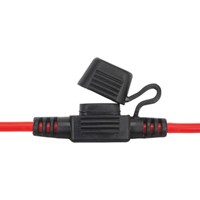
Fuses and fuse testers are essential electrical safety components for automotive, marine, and electrical applications. A fuse protects circuits from damage by breaking the connection when current exceeds safe levels, preventing costly damage to wiring and components. MyToolShed.co.uk stocks a comprehensive range of automotive blade fuses in mini, micro, standard, and maxi sizes, along with fuse assortments, splashproof holders, and specialist testing equipment from Sealey. Whether you're diagnosing electrical faults, installing accessory circuits, or maintaining vehicle fleets, having the correct fuses and reliable testing tools is fundamental to safe electrical work.
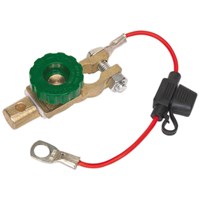
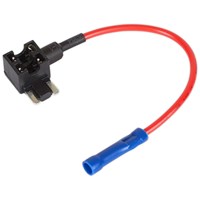
Modern vehicles contain numerous circuits operating from 12-24V systems, controlling everything from entertainment to engine management. Our range includes fuse assortments with multiple amperage ratings from 2A to 80A, anti-theft battery terminals with integrated fuse holders, and automotive fuse checkers with built-in pullers for quick, safe replacement. Quality circuit protection prevents electrical fires and component failure, making proper fuse specification crucial for professional auto electricians and DIY enthusiasts alike.
Applications
- Auto Electricians: Diagnosing faults and replacing blown fuses across various vehicle electrical systems
- Mobile Mechanics: On-site vehicle repairs requiring portable fuse assortments and testing equipment
- Fleet Maintenance: Commercial vehicle workshops needing bulk fuse supplies and diagnostic tools
- Breakdown Recovery: Roadside diagnostics starting with fuse and circuit checks
- Agricultural Engineers: Maintaining farm machinery electrical systems with appropriate circuit protection
- Marine Electricians: Boat electrical installations requiring splashproof fuse holders
- Caravan Technicians: Maintaining leisure vehicle electrical systems with multiple accessory circuits
- DIY Car Owners: Home vehicle maintenance and accessory installation projects
Choosing The Right Fuses & Fuse Testers
Identify the Correct Fuse Type: Modern vehicles use blade-style fuses in four main sizes—micro, mini, standard, and maxi. Check your vehicle handbook or existing fuses to determine which type your application requires. Ensure replacement fuses match both the physical size and amperage rating specified by the manufacturer.
Match Amperage Ratings: Never replace a fuse with a higher amperage rating than specified, as this removes essential circuit protection and creates fire risk. Common ratings include 5A, 10A, 15A, 20A, and 30A for standard circuits, with higher ratings up to 80A for starter motors and charging systems. MyToolShed.co.uk stocks comprehensive fuse assortments covering the full amperage range.
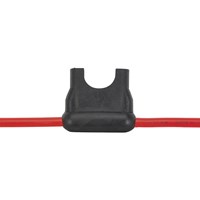
Select Appropriate Holders: When adding accessory circuits, choose splashproof holders for engine bay installations or wet environments, and standard holders for protected interior locations. Ensure holders match your fuse type and can handle the circuit's maximum current requirements.
Invest in Testing Equipment: A quality fuse tester with integrated puller saves diagnostic time and prevents damage. Look for testers compatible with 12-24V systems featuring clear LED indicators for quick fault identification.
Safety Information
Always Disconnect the Battery: Before replacing fuses or installing holders, disconnect the negative battery terminal to eliminate risk of short circuits or electrical shock, particularly when working with high-current circuits.
Never Use Incorrect Ratings: Installing higher-rated fuses than specified bypasses circuit protection and can cause electrical fires or component damage. If a fuse blows repeatedly, diagnose and rectify the underlying fault rather than increasing the rating.
Use Proper Tools: Always use a dedicated fuse puller to remove fuses safely. Makeshift tools can damage holders, bend terminals, or cause short circuits.
Frequently Asked Questions
How can I tell if a fuse has blown?
Most blade-style fuses are translucent, allowing you to see the internal wire element. A blown fuse has a visibly broken or melted wire inside. For certainty, use a fuse tester which indicates instantly using LED indicators.
What's the difference between mini, micro, and standard blade fuses?
These terms refer to physical size. Standard (ATO/ATC) fuses are largest and common in older vehicles. Mini fuses (ATM) are approximately half the size for modern cars. Micro fuses are smallest for space-constrained applications. Each requires matching holders.
Why do I need splashproof fuse holders?
Splashproof holders feature sealed construction preventing moisture, dirt, and contaminants from entering the connection. This is essential for engine bays, agricultural machinery, or marine applications where moisture causes corrosion and connection failure.