
Frame Fixings
Pay in 3 interest-free payments on purchases from £30-2000 with  . Learn more.
 Loading...
End of content
Error - No more pages to load
About Frame Fixings
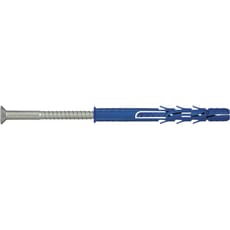
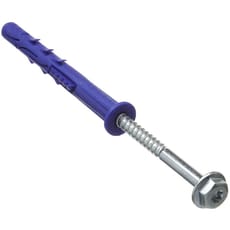
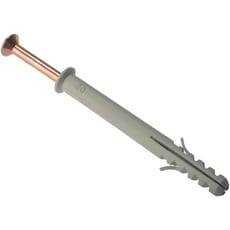
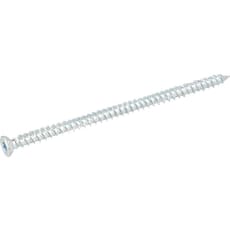
Frame fixings are specialised fasteners engineered to securely attach door frames, window frames, and structural timber elements to masonry substrates including brick, concrete, and stone. Unlike standard screws, these fixings provide superior holding power through expansion mechanisms or deep-cut threads that create robust connections capable of withstanding significant loads and stresses over time. MyToolShed.co.uk stocks a comprehensive range from trusted manufacturers including Rawlplug, Spax, and Forgefix.
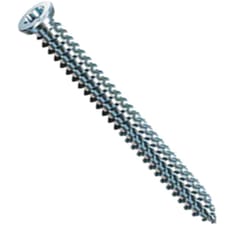
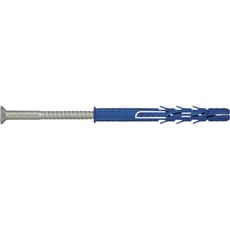
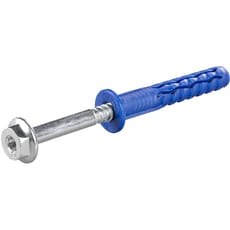
Our selection includes both two-part nylon frame fixings with separate screws and all-in-one frame screws, available in countersunk and hex head styles. Choose from zinc-plated options for interior applications or A4 stainless steel versions for external use, coastal environments, and high-moisture locations. With various lengths and diameters available, these fixings accommodate different frame thicknesses and substrate depths for both residential and commercial installations.
Applications
Frame fixings are essential for a wide range of construction and maintenance professionals:
- Carpenters and joiners installing door frames, window frames, and structural timber work
- Window fitters securing uPVC, aluminium, and timber frames to masonry openings
- General builders on new builds, extensions, and renovation projects
- Shopfitters installing commercial doorways and partition systems
- Maintenance engineers in property management and facilities maintenance
- DIY enthusiasts tackling home improvement projects including door and window replacement
- Door hanging specialists and frame installation contractors
Choosing The Right Frame Fixings
Substrate type: Frame screws with deep threads suit dense concrete and brick, whilst nylon frame fixings excel in softer substrates like lightweight block. Always verify manufacturer specifications for substrate compatibility.
Environmental conditions: Specify A4 stainless steel fixings for external applications, damp environments, or coastal locations to prevent corrosion. Zinc-plated fixings are suitable only for dry interior use.
Fixing length: Ensure sufficient length to penetrate through the frame material and achieve 50-70mm embedment depth into masonry. Measure frame thickness accurately before selecting.
Head type: Countersunk heads provide flush finishes ideal for concealing with cover caps, whilst hex heads offer easier installation with sockets and better load distribution for heavy-duty applications.
Load requirements: Heavier doors and high-traffic installations require more fixings at closer centres (typically 300-400mm spacing). Standard internal doors need minimum three fixings per vertical jamb.
Safety Information
Always wear safety glasses when drilling into masonry to protect against flying debris. Use FFP2-rated dust masks to avoid inhaling hazardous silica dust from concrete, brick, or stone. Before drilling, check for concealed cables and pipes using a detector—particularly around switches, sockets, and plumbing fixtures. Maintain adequate edge distances and spacing between fixings as specified by manufacturers. For load-bearing or critical structural applications, consult a structural engineer if uncertain about fixing positions or capacities.
Frequently Asked Questions
What's the difference between nylon frame fixings and frame screws?
Nylon frame fixings use a two-part system where a nylon plug expands when the screw is driven, providing excellent grip in various masonry types and easier removal for adjustments. Frame screws are all-in-one fixings that cut their own thread directly into the substrate, offering faster installation and working particularly well in dense concrete and brick.
Can I use zinc-plated frame fixings externally?
No. Zinc-plated fixings corrode when exposed to moisture, leading to staining and eventual failure. Always use A4 stainless steel frame fixings for external applications, window installations, wet rooms, or coastal environments. MyToolShed.co.uk stocks both zinc-plated and stainless steel options clearly labelled for their intended use.
How many fixings do I need per door frame?
Standard internal domestic doors require minimum three fixings per vertical jamb—positioned 300mm from top and bottom, plus one centrally. Heavy fire doors, external doors, or high-traffic commercial installations need fixings at 300-400mm centres along each jamb, with additional fixings behind hinge and lock strike plate areas for maximum support.