

Footwear
Pay in 3 interest-free payments on purchases from £30-2000 with  . Learn more.
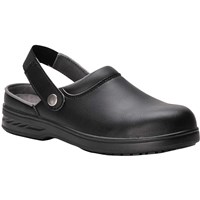
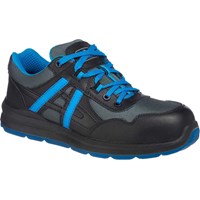
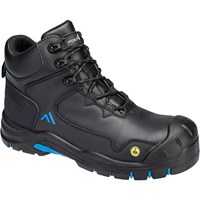
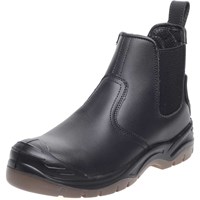
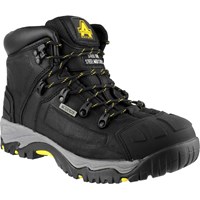
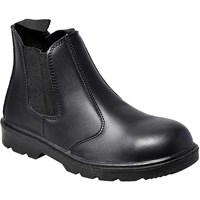
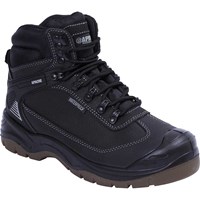
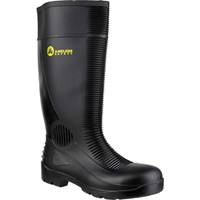
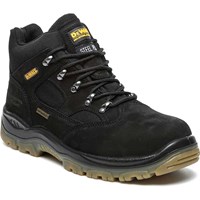
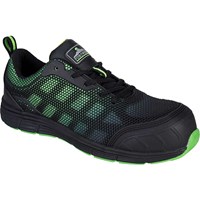
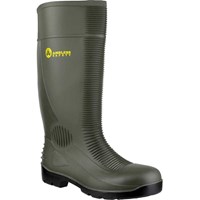
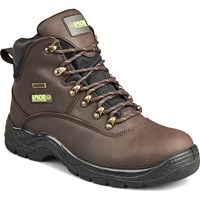
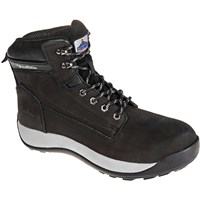
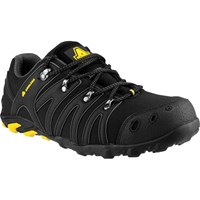
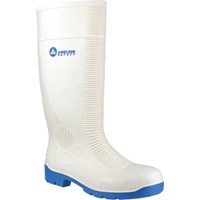
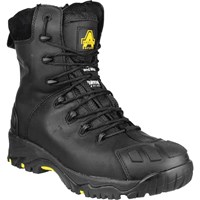
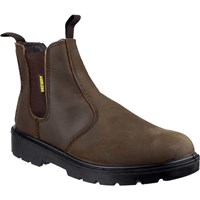
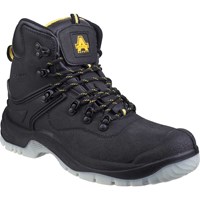
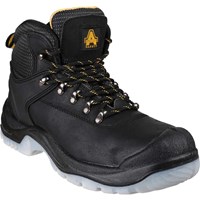
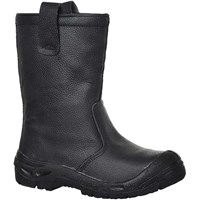
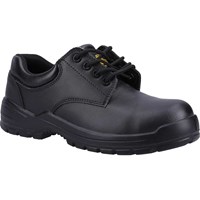
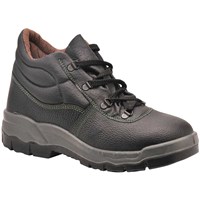
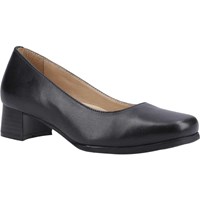
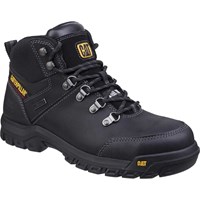
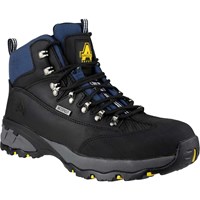
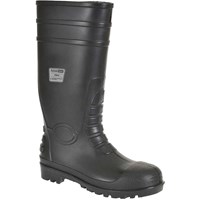
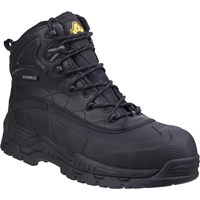
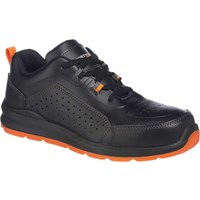
 Loading...
End of content
Error - No more pages to load
About Footwear
Professional work footwear is essential personal protective equipment that safeguards against workplace hazards whilst ensuring comfort during long shifts on site. MyToolShed.co.uk stocks a comprehensive range of safety footwear including work boots, work trainers, wellington boots, and specialist accessories like disposable overshoes, boot laces, and traction grips. From reinforced steel toe cap boots for construction sites to lightweight safety trainers for warehouse environments, the right footwear prevents serious injuries from falling objects, puncture wounds, slips, and electrical hazards whilst meeting stringent UK and European safety standards.
Modern safety footwear has evolved significantly beyond heavy, uncomfortable boots. Today's work boots and shoes incorporate advanced materials like composite toe caps, breathable membranes, and ergonomic designs that provide all-day comfort alongside robust protection. Whether you need S3 rated boots for building sites, waterproof wellies for agricultural work, or specialist footwear with electrical hazard protection for sparkies, MyToolShed.co.uk offers trusted brands that meet HSE requirements across every trade and working environment.
Applications
Professional work footwear is essential across numerous trades and industries:
- Construction Workers - bricklayers, scaffolders, and labourers requiring robust S3 rated boots with toe protection and puncture resistance
- Electricians - needing electrical hazard protection and non-conductive soles for working safely around live circuits
- Plumbers and Heating Engineers - requiring water-resistant footwear with good ankle support
- Carpenters - needing lightweight but protective footwear with flexibility for ladder work
- Warehouse Operatives - requiring comfortable safety trainers for long shifts on hard floors
- Mechanics - needing oil-resistant soles and protection from falling tools
- Agricultural Workers - requiring fully waterproof wellington boots with chemical resistance
- Groundworkers and Landscapers - needing robust, waterproof boots with excellent grip on uneven terrain
- Factory Workers - requiring metatarsal protection and anti-static properties
- Delivery Drivers - needing comfortable safety footwear suitable for driving and manual handling
Choosing The Right Footwear
Safety Ratings: Identify workplace hazards and ensure footwear meets the appropriate EN ISO 20345 rating. S1P offers basic protection with toe caps and puncture-resistant midsoles, S3 adds water resistance and cleated outsoles, whilst S5 provides fully waterproof wellington boot construction. Most construction sites require S3 as minimum standard.
Protection Features: Consider specific requirements beyond toe caps—puncture-resistant midsoles for sites with sharp debris, electrical hazard protection for electricians, metatarsal guards for heavy lifting, or heat resistance for welders. SRC slip ratings provide maximum grip on wet surfaces.
Comfort and Fit: Ensure proper sizing with 10-15mm space beyond your longest toe. Look for adequate arch support, cushioned insoles, and breathable linings. Composite toe caps offer equivalent protection to steel at significantly reduced weight, minimising fatigue during 8-12 hour shifts.
Sole Type: Deep cleated patterns suit muddy outdoor work, whilst flatter patterns work better on warehouse floors. Consider ladder-friendly heels and whether you need penetration-resistant construction for your specific trade.
Safety Information
Work footwear is classified as Category II PPE and must meet EN ISO 20345 standards. Employers have legal duties under the Health and Safety at Work Act 1974 to provide appropriate safety footwear where risk assessments identify foot injury hazards. Always inspect boots before use, checking for sole separation, damaged toe caps, or worn tread. Replace footwear immediately if structural integrity is compromised—most safety boots have a 12-18 month lifespan with regular use. Never modify safety footwear as this invalidates certifications. Store in cool, dry locations away from direct heat sources which can degrade materials and adhesives.
Frequently Asked Questions
What's the difference between S1P, S3, and S5 safety ratings?
S1P boots offer basic protection with toe caps, anti-static properties, and puncture-resistant midsoles for dry environments. S3 rated boots add water-resistant uppers and cleated outsoles for outdoor work. S5 provides complete waterproof wellington-style construction for very wet conditions. Most building sites require S3 as minimum standard.
Are composite toe caps as safe as steel toe caps?
Yes, composite toe caps made from fibreglass, carbon fibre, or Kevlar meet the same EN ISO 20345 impact resistance standards as steel, withstanding 200 joules of force. Composite caps are 30-50% lighter, don't conduct heat, cold, or electricity, and won't trigger metal detectors—ideal for electricians and security-sensitive sites.
How should work boots fit properly?
Work boots should allow approximately 10-15mm space beyond your longest toe when standing. The widest part of your foot should align with the widest part of the boot without pressure points. Your heel should remain firmly in place without lifting when walking. Always try boots on wearing work socks, preferably in the afternoon when feet are slightly swollen, to ensure all-day comfort.