
Fluid Transfer

Pay in 3 interest-free payments on purchases from £20-£3000 with  . Learn more.

 Loading...
End of content
Error - No more pages to load
About Fluid Transfer
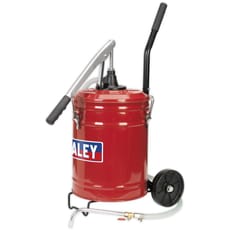
Fluid transfer equipment is essential for safely and efficiently moving liquids such as oils, fuels, chemicals, water, and other fluids across workshops, garages, construction sites, and industrial environments. The range at MyToolShed.co.uk includes everything from simple syphon pumps and funnels for occasional use, to heavy-duty electric transfer pumps and barrel pumps capable of moving large volumes quickly. Whether you're draining engine oil, transferring diesel from bulk storage, dispensing chemicals, or refuelling equipment, having the right fluid transfer tools ensures the job is completed cleanly, safely, and in compliance with HSE regulations.
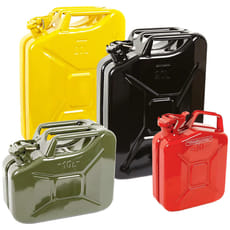
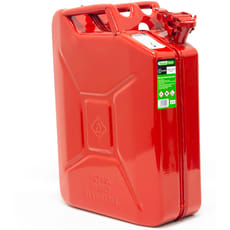
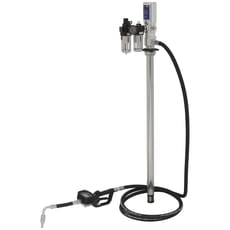
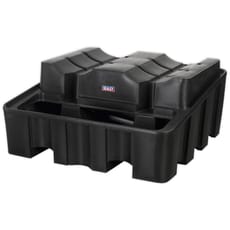
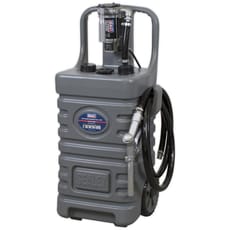
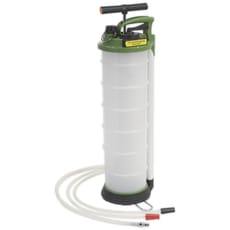
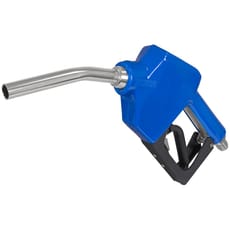
This comprehensive category encompasses manual lever pumps, air-operated fluid pumps, extractors for removing liquids from awkward locations, dispensing guns with precise flow control, fuel meters for accurate measurement, and a wide selection of containers including jerry cans and portable fuel tanks. Quality fluid transfer equipment from MyToolShed.co.uk helps prevent costly spillages, eliminates cross-contamination risks, and meets COSHH requirements for handling hazardous substances in professional environments.
Applications
Fluid transfer equipment is used across numerous trades and industries:
- Vehicle Mechanics and MOT Centres: Oil changes, fluid extraction, coolant transfer, and fuel management
- Plant Operators and Agricultural Workers: Refuelling machinery, transferring hydraulic oils, and diesel bowser management
- Manufacturing and Industrial Facilities: Chemical dispensing, bulk fluid management, and coolant handling
- Heating Engineers and Plumbers: Oil tank maintenance, system flushing, and boiler servicing
- Marine and Boating Professionals: Fuel transfer, bilge pumping, and engine maintenance
- Construction Site Managers: Generator refuelling and equipment maintenance
- Groundskeepers and Landscapers: Refuelling petrol-powered equipment like mowers and strimmers
- Warehouse and Logistics Operations: Forklift refuelling and hydraulic equipment servicing
- DIY Enthusiasts: Garden machinery maintenance and vehicle servicing at home
Choosing The Right Fluid Transfer
Fluid Type and Compatibility: Identify what liquids you'll be handling. Petrol, diesel, oils, water-based coolants, and chemicals each require different pump materials. Check chemical compatibility to ensure seals, hoses, and pump bodies won't degrade with your specific fluids.
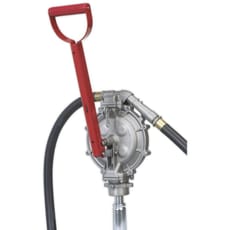
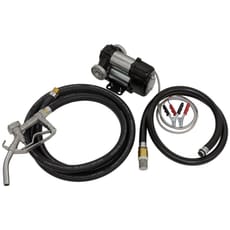
Volume and Frequency: For occasional small-volume transfers, manual syphon pumps or lever pumps offer cost-effective solutions. Regular high-volume operations justify investing in electric transfer pumps or air fluid pumps that reduce transfer times and physical effort significantly.
Power Source: Electric pumps require 240V mains power or battery operation, whilst air-operated pumps need a compressor. For remote locations, consider manual pumps, battery-powered options, or portable fuel tanks with integrated pumps.
Container Configuration: Barrel and drum pumps fit standard 205-litre drums with appropriate immersion depths. Smaller containers work better with syphon pumps or extractors, whilst bulk tanks may require dedicated dispensing systems with meters and automatic shut-off nozzles.
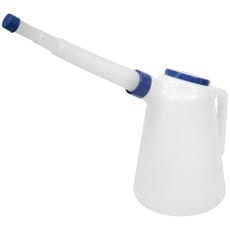
Accuracy Requirements: If precise dispensing matters, choose equipment with integrated fuel meters, calibrated measuring jugs, or dispensing guns with flow control—particularly important for mixing two-stroke fuel or preparing diluted chemicals.
Safety and Compliance: For flammable liquids, ensure appropriate ATEX ratings where required. Consider earthing requirements, anti-static hoses, and automatic shut-off nozzles to prevent overfilling and comply with workplace safety regulations.
Safety Information
When handling flammable liquids such as petrol, diesel, or solvents, ensure adequate ventilation and eliminate ignition sources. Always use equipment rated for flammable liquids and consider ATEX-certified options in potentially explosive atmospheres. Follow COSHH regulations by conducting proper risk assessments, wearing appropriate PPE including chemical-resistant gloves and eye protection, and keeping spill kits readily available.
Prevent contamination by dedicating equipment to specific fluid types and clearly labelling all containers. Cross-contamination can create dangerous reactions or damage expensive equipment. Regularly inspect hoses, seals, and pumps for wear or chemical damage, replacing components immediately if compromised. Implement earthing procedures when required to prevent static discharge, and ensure all electrical equipment meets appropriate safety standards for hazardous areas.
Frequently Asked Questions
Can I use the same pump for different types of fluids?
Whilst some pumps handle multiple compatible fluids, it's recommended to dedicate equipment to specific fluid types to prevent cross-contamination. At minimum, thoroughly flush and clean pumps between different fluids. Never use equipment that has handled petrol or diesel for water-based fluids without complete cleaning, and maintain separate equipment for incompatible chemicals.
What's the difference between a syphon pump and a fluid extractor?
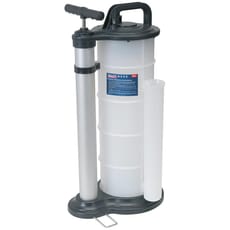
Syphon pumps use gravity and atmospheric pressure to transfer liquid from higher to lower levels, requiring manual priming and continuous height difference. Fluid extractors actively create vacuum pressure to draw fluids upward, making them ideal for removing oil from engine sumps or extracting fluids from awkward locations where gravity-fed syphoning isn't practical.
How often should I service fluid transfer equipment?
Inspection frequency depends on usage intensity and fluid types handled. Visually inspect hoses, seals, and connections before each use for cracks, degradation, or leaks. For regularly used pumps, follow manufacturer service intervals—typically annually for professional use. Harsh chemicals may require more frequent seal and component replacement than mild fluids like water or standard oils.