
Floor Scrapers
Pay in 3 interest-free payments on purchases from £30-2000 with  . Learn more.

 Loading...
End of content
Error - No more pages to load
About Floor Scrapers
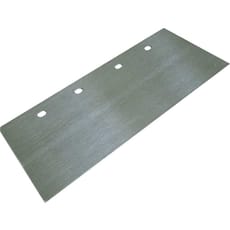
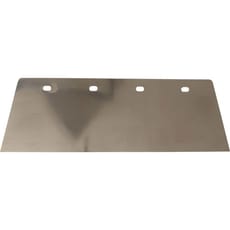
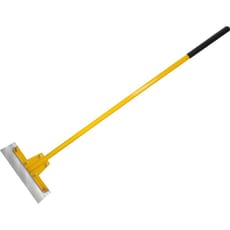
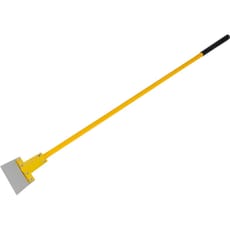
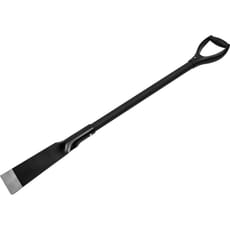
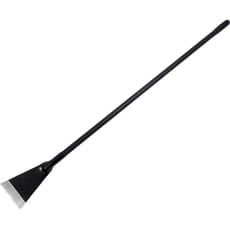
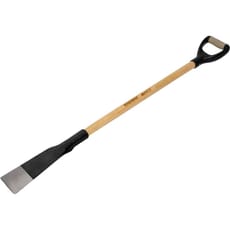
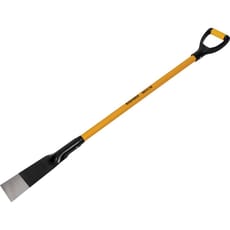
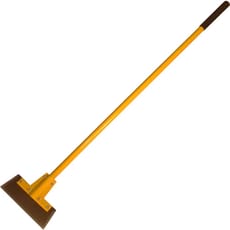
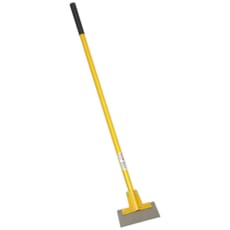
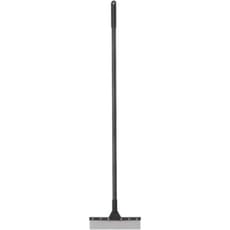
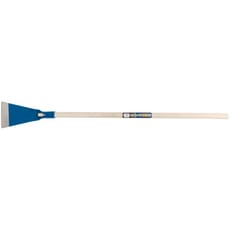
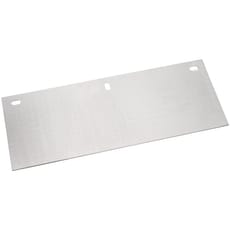
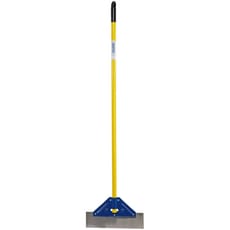
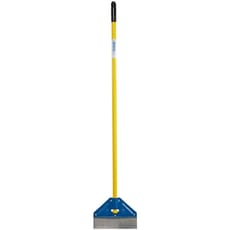
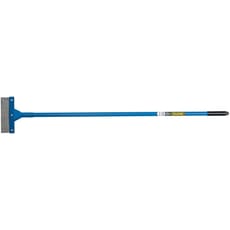
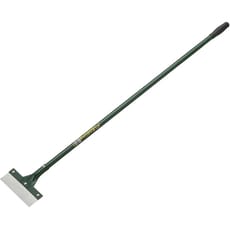
Floor scrapers are heavy-duty hand tools designed to remove stubborn materials from floor surfaces, including old vinyl, carpet adhesive, hardened paint, and flooring residues. Featuring a long handle paired with a wide, sharp blade positioned at a low angle, these robust tools allow you to work standing upright whilst applying significant downward force without excessive back strain. MyToolShed.co.uk stocks a comprehensive range of floor scrapers from trusted brands including Roughneck, Draper, Faithfull, Bulldog, and Sealey, catering to both professional tradespeople and DIY enthusiasts.
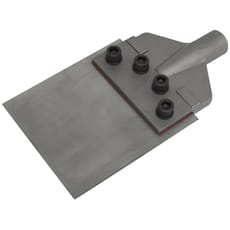
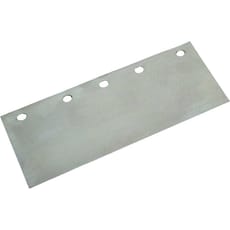
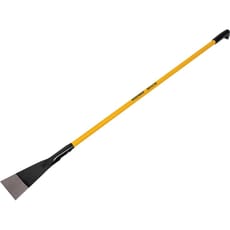
Our floor scraper selection encompasses basic fixed-blade models through to premium multi-purpose demolition scrapers with replaceable blades and reinforced construction. Modern designs often feature ergonomic soft-grip handles to reduce hand fatigue, fibreglass construction for superior durability, and interchangeable blade systems including standard carbon steel, heavy-duty variants, and corrosion-resistant inox (stainless steel) options for wet environments. Professional-grade models from Roughneck's Big Mutt range include striking caps for tackling particularly stubborn materials with hammer assistance.
Applications
Floor scrapers are indispensable tools across numerous trades and applications:
- Flooring Fitters: Removing old coverings, adhesive residue, and preparing substrates before laying new flooring materials
- Decorators and Painters: Stripping paint spills, removing old floor finishes, and surface preparation work
- Builders and General Contractors: Site clearance, demolition projects, and renovation work requiring floor preparation
- Property Maintenance Teams: Routine maintenance, tenant changeovers, and building refurbishment projects
- Tilers: Removing old tile adhesive and levelling compound before laying new ceramic or stone flooring
- Carpet Fitters: Lifting carpet adhesive and gripper rod residue from concrete and wooden floors
- Facilities Management: Maintaining commercial and industrial floor surfaces in warehouses, factories, and retail spaces
- DIY Enthusiasts: Home renovation projects and general property improvement work
Choosing The Right Floor Scrapers
Handle Length: Standard floor scrapers typically range from 1000mm to 1400mm. Longer handles provide better leverage and reduce back strain, whilst shorter models offer increased control in confined spaces or when working on stairs.
Blade Width and Type: Blade widths commonly range from 100mm to 300mm. Wider blades cover more ground quickly on open floors, whilst narrower options provide precision around edges. Consider standard carbon steel for general use, heavy-duty blades for intensive work, or inox stainless steel for wet environments.
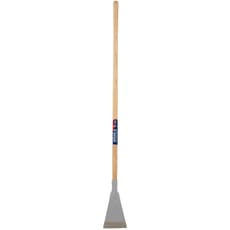
Handle Material: Traditional wooden handles are economical, whilst fibreglass handles from brands available at MyToolShed.co.uk offer superior durability and vibration dampening. Soft-grip overlays significantly reduce hand fatigue during extended sessions.
Blade Replacement System: Check how easily blades can be replaced and the availability of spares. Established brands like Roughneck, Draper, Faithfull, and Bulldog typically have readily available replacement blades, making them more economical long-term investments.
Professional vs DIY Grade: Professional tradespeople should invest in robust models with reinforced construction and striking caps for daily site use, whilst occasional DIY users may find standard models perfectly adequate for periodic projects.
Safety Information
Always wear appropriate work gloves to protect against blisters and cuts, and ensure your footwear provides adequate protection should the blade slip. Safety glasses are recommended as scraping can release particles at eye level. Maintain proper posture throughout use, keeping your back straight and using leg muscles rather than your back to provide downward force. Take regular breaks during extended sessions to prevent repetitive strain injuries.
Before starting work, inspect your floor scraper for loose fixings, damaged handles, or dull blades—a blunt blade requires excessive force and is more likely to slip dangerously. When working with old flooring in buildings constructed before 2000, be aware of potential asbestos content and seek professional assessment if suspected, in accordance with HSE Control of Asbestos Regulations. Wear appropriate dust masks and ensure adequate ventilation in your working area.
Frequently Asked Questions
How often should I replace my floor scraper blade?
This depends on usage intensity and materials being scraped. Professional tradespeople working with tough adhesives may need to replace blades weekly, whilst DIY users might get years from a single blade. Replace when you notice significantly increased effort required or the blade edge becomes visibly damaged. Keeping spare blades on hand prevents project delays.
What's the difference between a floor scraper and a bolster chisel?
Floor scrapers feature long handles allowing you to work standing upright with significant leverage over large floor areas, whilst bolster chisels are hand-held tools designed for detailed work, edges, and vertical surfaces. Most flooring professionals use both tools complementarily for complete floor preparation projects.
Will a floor scraper damage my concrete floor?
When used correctly at the proper angle, quality floor scrapers should remove surface materials without damaging sound concrete substrates. However, aggressive technique or excessively steep blade angles can score concrete surfaces. Start with gentle pressure and a shallow angle (typically 20-30 degrees), increasing force only as needed for optimal scraping efficiency.