
Floats

Pay in 3 interest-free payments on purchases from £20-£3000 with  . Learn more.
 Loading...
End of content
Error - No more pages to load
About Floats
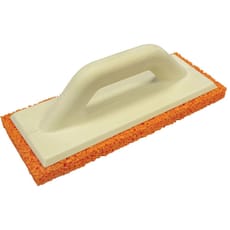
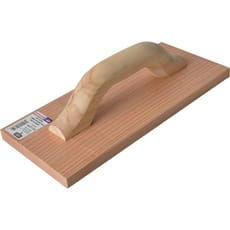
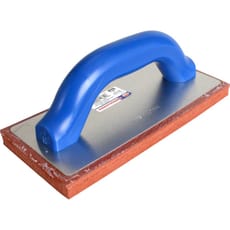
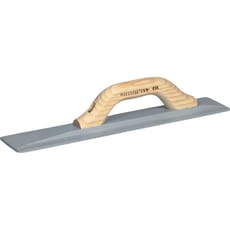
Floats are essential hand tools used by plasterers, tilers, renderers, and builders to apply, spread, and smooth materials including plaster, render, concrete, and grout. Available in various materials—sponge, rubber, polyurethane, polystyrene, wood, and magnesium—each float type serves specific purposes in achieving professional finishes. MyToolShed.co.uk stocks quality floats from trusted brands including Marshalltown, Draper, Faithfull, and Tyzack, ensuring tradespeople and DIY enthusiasts have access to reliable tools for every plastering and rendering application.
The material composition determines a float's performance: sponge floats excel at grouting and cleaning tiles, rubber floats create textured render finishes, wooden floats provide traditional plaster texture, whilst lightweight magnesium floats reduce arm fatigue during large-scale projects. Polyurethane and polystyrene options offer durability for general plastering work, making them popular choices for everyday applications on walls, floors, and ceilings.
Applications
Floats are indispensable tools across multiple trades and applications:
- Plasterers and Renderers: Applying and finishing plaster and render to walls and ceilings using polyurethane, magnesium, or wooden floats
- Tilers: Grouting between tiles and achieving clean finishes with sponge and rubber grout floats
- Bricklayers: Finishing concrete and mortar work on block and brickwork projects
- General Builders: Various finishing tasks across construction and renovation projects
- Concrete Finishers: Levelling and smoothing concrete floors, paths, and driveways
- Maintenance Workers: Repair work, patching, and restoration in commercial and residential properties
- DIY Enthusiasts: Home improvement projects including bathroom tiling and wall plastering
Choosing The Right Floats
Material Application: Match the float type to your material—sponge floats for tile grouting, rubber floats for textured rendering, polyurethane or polystyrene for general plastering, wooden floats for traditional plaster finishes, and magnesium for professional skimming work.
Project Scale: Large commercial projects benefit from lightweight magnesium floats (typically 350-400mm) that reduce fatigue during extended use, whilst smaller repair jobs may require more compact sizes for better control in restricted areas.
Handle Design: Ergonomic handles significantly impact comfort during prolonged use. MyToolShed.co.uk offers floats with both open and closed handle designs—choose based on personal preference and the specific application.
Build Quality: Professional-grade floats from established manufacturers ensure longevity and consistent results. Check that handles are securely attached and float faces are properly bonded to withstand regular site work and cleaning.
Safety Information
Hand and Wrist Health: Repetitive floating motions can cause strain. Take regular breaks during extended sessions, vary working positions, and ensure your float handle provides adequate grip comfort to prevent repetitive strain injuries.
Material Hazards: Many plastering and rendering materials contain skin irritants. Always wear appropriate gloves when working with cement-based products, wash hands thoroughly after use, and consult COSHH data sheets for specific materials.
Tool Maintenance: Clean floats immediately after use before materials dry. Dried plaster or render can scratch fresh work and reduce effectiveness. Store floats flat in dry conditions to prevent warping.
Frequently Asked Questions
What's the difference between a plastering float and a trowel?
A float has a larger, flatter surface for spreading and levelling material, whilst a trowel has a smaller blade for applying material and achieving very smooth finishes. Floats are typically used before trowels—the float levels and smooths, then the trowel provides the final polished finish.
Why choose a magnesium float over a wooden float?
Magnesium floats offer significant weight savings whilst maintaining excellent strength, helping prevent arm fatigue during large plastering projects. They resist warping and perform consistently in various weather conditions, making them popular for commercial work, though some plasterers prefer wooden floats for the specific texture they impart to traditional finishes.
How do I clean and maintain my float?
Clean immediately after use before materials dry. Scrape off excess material and wash with clean water. Rinse sponge floats thoroughly and wring out. Wooden floats benefit from occasional light sanding. Store all floats flat in dry locations to prevent warping and check handles regularly for secure attachment.