

Flat Files
Pay in 3 interest-free payments on purchases from £30-2000 with  . Learn more.
 Loading...
End of content
Error - No more pages to load
About Flat Files
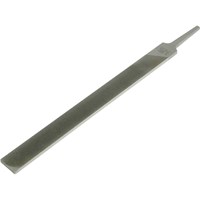
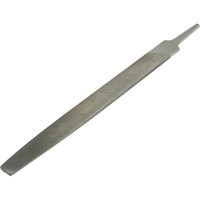
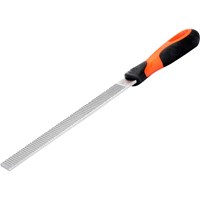
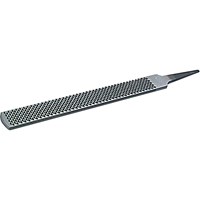
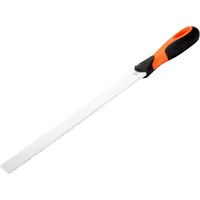
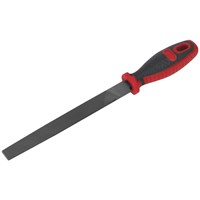
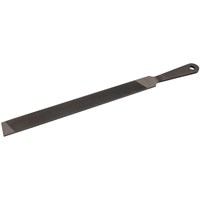
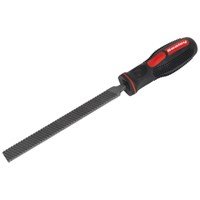
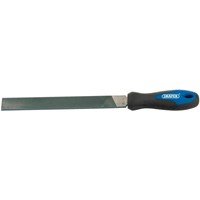
Flat files are essential hand tools for shaping, smoothing, and removing material from metal, wood, plastic, and other materials. Characterised by their rectangular cross-section and parallel cutting surfaces, these versatile tools provide excellent control and precision when working on flat surfaces or creating straight edges. Whether you're deburring metal components, sharpening garden tools, or smoothing welds, flat files are indispensable across workshops, construction sites, and home DIY projects.
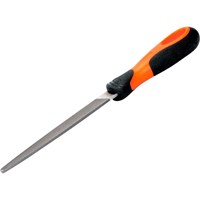
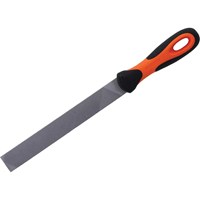
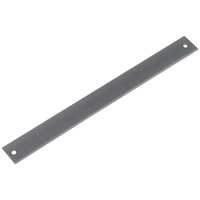
MyToolShed.co.uk stocks a comprehensive range of flat files from trusted manufacturers including Bahco, Sealey, Draper, and Nicholson. Available in various sizes, cuts, and tooth configurations (TPI), our selection includes fine-cut engineers' files for precision metalwork, coarse farmers' files for garden tool maintenance, and specialist files like brake calliper cleaning tools. Many modern flat files feature ergonomic handles that reduce hand fatigue during extended use, ensuring professional-grade results for both seasoned tradespeople and DIY enthusiasts.
Applications
Flat files are utilised across diverse trades and applications:
- Engineers and Fabricators: Deburring, fitting parts, and precision metalwork in machine shops
- Mechanics and Vehicle Technicians: Cleaning brake callipers and filing automotive components
- Welders: Smoothing welds, removing slag, and preparing metal surfaces for finishing
- Carpenters and Joiners: Shaping timber, adjusting joints, and fine-tuning wooden components
- Plumbers and Heating Engineers: Deburring cut pipes and filing metal fittings for proper sealing
- Gardeners and Groundskeepers: Sharpening spades, hoes, shears, and maintaining cutting edges
- Electricians: Filing cable entries and smoothing metal enclosure edges
- General Construction Workers: Various site applications requiring material removal or edge smoothing
- DIY Enthusiasts: Home maintenance, hobby projects, and general workshop tasks
Choosing The Right Flat Files
Material Application: Consider what you'll be filing. Coarser cuts work best on soft metals, wood, and plastics, whilst finer cuts are ideal for hardened steel and precision finishing work. Engineers' files typically offer finer cuts for metalwork, whereas farmers' files feature coarser teeth for garden tool maintenance.
File Length and TPI: Common lengths range from 100mm to 350mm. Longer files provide faster material removal, whilst shorter files offer better control in confined spaces. Lower TPI ratings (6-9 teeth per inch) suit heavy material removal, medium TPI (9-12) provides versatile all-purpose filing, and higher TPI (12+) delivers fine finishing work.
Handle Design and Brand Quality: Ergonomic handles significantly reduce hand fatigue during extended use. MyToolShed.co.uk stocks established brands like Bahco, Draper, Sealey, and Nicholson that use quality steel and proper heat treatment for longer-lasting cutting edges, representing better value over time.
Safety Information
Always ensure files have securely fitted handles – never use a tanged file without a handle, as the sharp tang can cause serious hand injuries. Secure workpieces in a vice or clamp before filing, and wear safety glasses to protect against airborne particles, especially when filing metal or cast iron. File on the forward stroke only, lifting slightly on the return stroke to maintain control and prevent premature tooth wear. Store files separately or in protective sleeves to avoid tooth damage, and never use files as levers or striking tools.
Frequently Asked Questions
How do I know when my flat file needs replacing?
Replace your file when the teeth become visibly worn or rounded, or when it stops cutting effectively even after thorough cleaning. Excessive slipping across the workpiece surface without removing material indicates the teeth are spent. Quality files can last years with proper care.
Why does my file keep clogging when working with aluminium?
Aluminium is a soft metal prone to pinning (clogging file teeth). Prevent this by rubbing chalk into the file teeth before use, which fills the gullets and stops aluminium from sticking. Clean the file frequently with a file card during work, and consider using a file specifically designed for soft metals.
Do I need different files for wood and metal?
Whilst you can use the same file on both materials, dedicated files perform better. Wood files typically have coarser teeth and deeper gullets to clear wood fibres effectively, whilst metal files come in various grades for different metals and finishing requirements.