
First Aid & Medical Kits

Pay in 3 interest-free payments on purchases from £20-£3000 with  . Learn more.
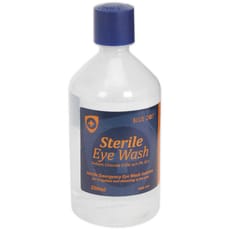
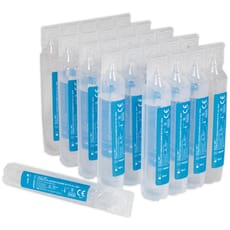
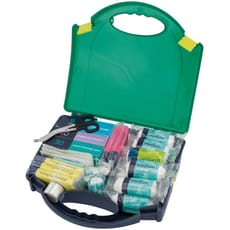
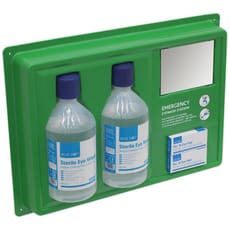
 Loading...
End of content
Error - No more pages to load
About First Aid & Medical Kits
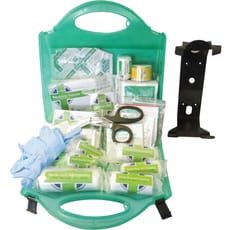
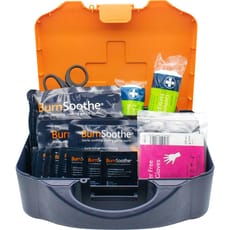
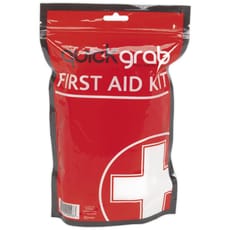
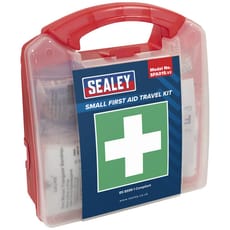
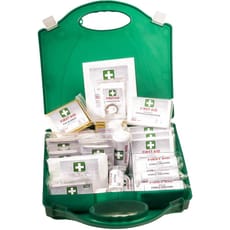
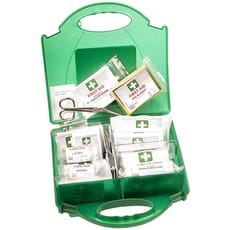
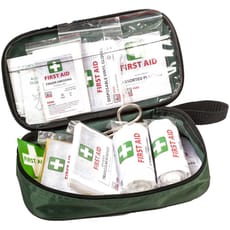
First aid and medical kits are essential safety equipment for any workplace, workshop, or vehicle where accidents might occur. MyToolShed.co.uk supplies a comprehensive range of first aid solutions designed specifically for tradespeople, construction sites, and industrial environments. From compact travel kits for mobile workers to HSE-compliant workplace cabinets, these professionally assembled kits contain everything needed to respond quickly to common injuries including cuts, burns, sprains, and eye contamination.
Professional first aid kits are built to meet British Standard BS 8599 specifications, ensuring they contain the appropriate mix of sterile dressings, bandages, and emergency equipment for your specific workplace risks. Whether you're managing a busy construction site, operating a workshop with machinery and power tools, or working as a mobile tradesperson, having immediate access to properly stocked first aid supplies is both a legal requirement under Health and Safety (First Aid) Regulations 1981 and critical for protecting your workforce.
Applications
First aid and medical kits from MyToolShed.co.uk are used across diverse trades and working environments:
- Construction Sites: Site managers and builders requiring HSE-compliant provision for larger workforces and high-risk activities
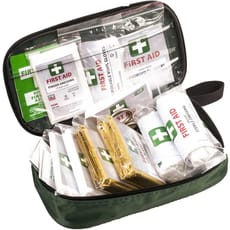
- Mobile Tradespeople: Electricians, plumbers, and heating engineers needing BS 8599-2 vehicle kits in their vans
- Workshops: Joiners, carpenters, and fabricators working with cutting tools, machinery, and woodworking equipment
- Automotive: Mechanics and vehicle technicians treating burns, cuts, and eye injuries from metal particles
- Manufacturing: Factory and warehouse environments requiring strategically positioned first aid stations
- Maintenance: Facilities engineers working across multiple sites with varying risk levels
- Small Businesses: All employers meeting their legal duty of care obligations to staff
- DIY Enthusiasts: Home workshop users tackling projects with hand and power tools
Choosing The Right First Aid & Medical Kits
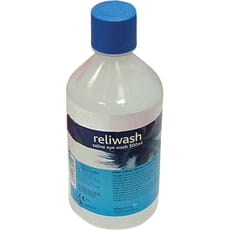
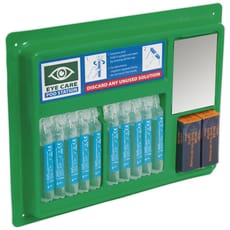
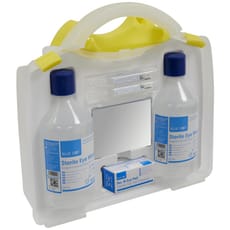
Workplace Risk Assessment: Identify potential hazards in your environment. High-risk activities involving machinery, chemicals, or height work require more comprehensive provision than low-risk settings. Construction sites need extensive supplies for impact injuries, while grinding operations require eye wash stations.
Personnel Numbers: HSE guidance recommends kit specifications based on workforce size. Small workplaces (fewer than 25 employees in low-risk environments) may only need basic kits, while larger or higher-risk sites require multiple well-stocked units positioned throughout premises.
BS 8599 Compliance: Choose kits meeting British Standard BS 8599-1 for workplace use or BS 8599-2 for vehicles. These standards ensure appropriate contents and provide legal protection while meeting duty of care obligations.
Accessibility and Storage: Position kits in easily accessible, clearly marked locations. Wall-mounted cabinets suit fixed installations, while robust carry cases work for mobile tradespeople. Consider weatherproof containers for outdoor work or vehicle storage.
Maintenance Planning: Select kits with clearly labelled expiry dates and available refill packs. Appoint a responsible person to conduct quarterly inspections, ensuring supplies remain sterile and restocking is straightforward.
Safety Information
Legal Compliance: Under Health and Safety (First Aid) Regulations 1981, employers must provide adequate first aid equipment and personnel. Minimum requirements include an appointed person and suitably stocked kit, with larger or higher-risk workplaces requiring trained first aiders holding valid FAW or EFAW qualifications.
Hygiene Standards: Always wear disposable gloves when treating injuries involving blood or bodily fluids. Dispose of contaminated materials in clinical waste bags. Never reuse single-use items, and ensure sterile packaging remains sealed until required.
Regular Inspection: Check kits monthly in high-use environments, quarterly as minimum. Verify expiry dates on sterile items, replace used supplies immediately, and document inspections in health and safety records.
Frequently Asked Questions
What should be included in a workplace first aid kit?
A basic HSE-compliant kit should contain: guidance leaflet, individually wrapped sterile plasters in assorted sizes, sterile eye pads, triangular bandages, safety pins, wound dressings (medium and large), disposable gloves, and sterile gauze pads. Exact contents depend on workplace size and risk level, with BS 8599-1 providing detailed specifications.
How often should first aid kits be checked?
Inspect kits at least quarterly, with high-use environments requiring monthly checks. Verify sterile items remain within use-by dates, packaging stays intact, and used items are replaced immediately. Document inspections and assign responsibility to a designated appointed person or first aider.
Do I need a first aid kit in my work van?
While not legally required for all vehicles, it's strongly recommended that mobile tradespeople carry BS 8599-2 compliant kits. If you employ drivers or transport employees in company vehicles, you have a duty of care to provide first aid equipment. Vehicle kits should be robust, weatherproof, and securely stored.