

Filling Knives
Pay in 3 interest-free payments on purchases from £30-2000 with  . Learn more.

 Loading...
End of content
Error - No more pages to load
About Filling Knives
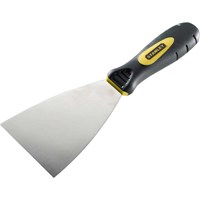
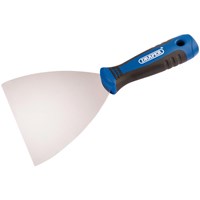
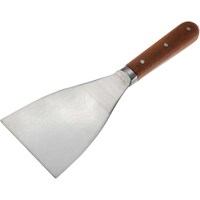
Filling knives are essential hand tools for applying, smoothing and spreading filler, plaster, putty and decorating compounds across walls, ceilings and woodwork. Also known as putty knives or scraping knives, these versatile tools feature flat, flexible stainless steel or carbon steel blades typically ranging from 25mm to 150mm in width. Whether filling cracks, repairing damaged plasterwork or smoothing joint compound, a quality filling knife is indispensable for achieving professional, seamless finishes before painting or wallpapering.
MyToolShed.co.uk stocks filling knives from trusted brands including Stanley, Faithfull, Draper and Blue Spot, offering both individual tools and convenient multi-piece sets. Professional-grade models incorporate ergonomic soft-grip handles that reduce hand fatigue during extended use, whilst blade flexibility varies to suit different applications—from conforming to curved surfaces for smooth spreading to stiffer options for effective scraping and heavy filling work.
Applications
Filling knives are used daily by a diverse range of professionals and DIY enthusiasts across the UK, including:
- Painters and decorators – surface preparation, filling imperfections and achieving smooth finishes before painting
- Plasterers – applying and smoothing finishing plaster and filling compounds
- Joiners and carpenters – filling nail holes, gaps and defects in woodwork before finishing
- Maintenance contractors – general repair work across residential and commercial properties
- Dry liners – applying joint compound and finishing plasterboard seams
- Property renovators – restoration and repair work on period and modern properties
- DIY enthusiasts – home improvement projects, wall repairs and decorating tasks
Choosing The Right Filling Knives
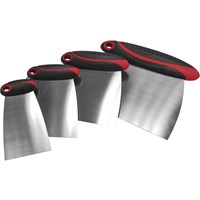
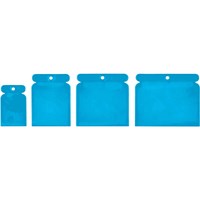
Blade Width: Consider your typical tasks. A 25-50mm blade suits detailed work, corners and small repairs, whilst 75-100mm blades handle general filling. Wider 125-150mm blades excel at spreading filler across large surface areas. Professional tradespeople often invest in four-piece sets for comprehensive coverage.
Blade Material: Stainless steel blades offer superior corrosion resistance and longevity when working with water-based fillers. Carbon steel alternatives may be more affordable but require careful maintenance to prevent rust.
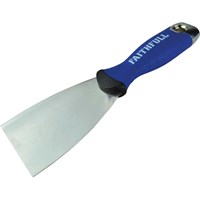
Handle Design: Ergonomic handles with soft-grip materials significantly reduce hand fatigue during extended use. Look for good balance and riveted or full-tang construction that ensures the handle won't separate from the blade under heavy use.
Blade Flexibility: Flexible blades work best for smoothing and spreading compound across flat surfaces, whilst stiffer blades excel at scraping and removing old filler or paint. MyToolShed.co.uk stocks options suitable for various applications.
Frequently Asked Questions
What's the difference between a filling knife and a putty knife?
These terms are often used interchangeably in the UK. Both describe flat-bladed tools for applying and spreading filler, though putty knives traditionally referred specifically to glazing putty. Modern filling knives handle multiple applications including fillers, putty, plaster and joint compounds.
What size filling knife should I buy for general DIY use?
A 75mm filling knife handles most common household repairs and decorating tasks effectively. Alternatively, a four-piece set covering sizes from 25mm to 100mm provides comprehensive coverage for everything from detailed corner work to spreading filler across larger damaged areas.
How do I maintain my filling knives?
Clean blades immediately after use with warm water before filler sets hard. Dry thoroughly and apply a light coat of oil to carbon steel blades to prevent rust. Store in a dry environment and avoid dropping tools, which can bend the blade or damage the edge.