
Files

Pay in 3 interest-free payments on purchases from £20-£3000 with  . Learn more.
 Loading...
End of content
Error - No more pages to load
About Files
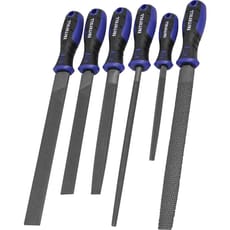
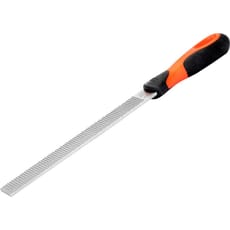
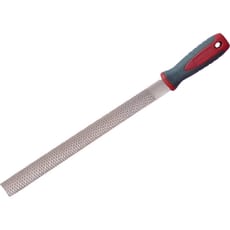
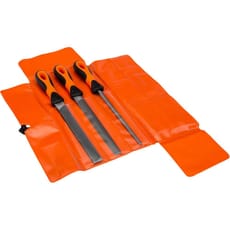
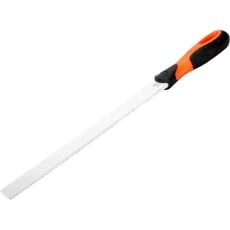
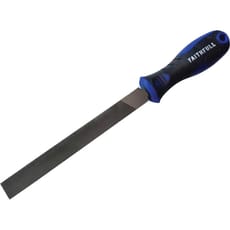
Files are precision hand tools featuring hardened steel teeth that remove material through controlled cutting action, essential for shaping, smoothing, and finishing metal, wood, and plastic. Unlike abrasive papers or powered sanders, files offer exceptional control for tasks ranging from deburring metal edges and sharpening saw teeth to smoothing welds and shaping timber. MyToolShed.co.uk stocks a comprehensive range including engineers files for metalwork, chainsaw files for maintaining cutting chains, wood rasps for rapid timber removal, and delicate needle files for precision work.
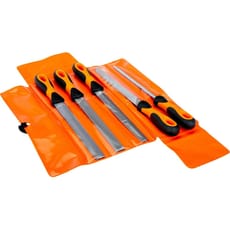
Our selection covers all common file profiles—flat, half round, round, square, and warding—in various cut grades from aggressive bastard cuts for rapid stock removal to smooth cuts for fine finishing. Quality files from respected manufacturers like Bahco, Stanley, and Irwin deliver superior performance and longevity, maintaining their sharpness longer and resisting clogging better than budget alternatives. With proper care and the right file handle, these hardworking tools serve professional tradespeople and DIY enthusiasts reliably for years.
Applications
Files are indispensable across numerous trades and industries:
- Metalworkers and Fabricators – deburring, fitting, and finishing metal components
- Mechanics and Fitters – adjusting parts, removing rust, and precision fitting work
- Engineers and Machinists – fine finishing and deburring machined parts to tight tolerances
- Carpenters and Joiners – shaping timber, smoothing joints, and general woodwork
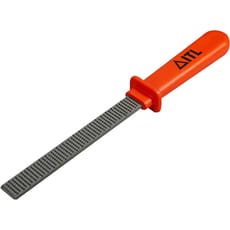
- Electricians – deburring conduit ends and filing metalwork on site
- Jewellers and Watchmakers – precision shaping of precious metals and small components
- Arborists and Groundscare Professionals – maintaining chainsaw chains and saw blades
- Plumbers – deburring pipes and fitting metal fixtures
- Maintenance Technicians – general workshop repairs and modifications
Choosing The Right Files
Material Type: Match your file to the material—engineers files suit metalwork, wood rasps handle timber, and needle files tackle delicate components. Using the wrong file type leads to rapid wear and poor results.
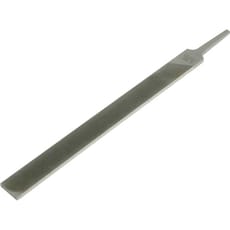
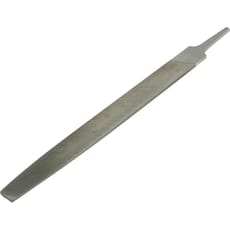
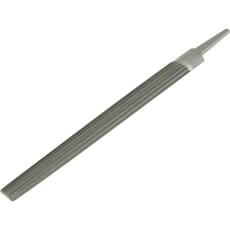
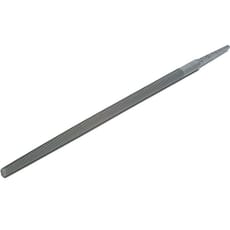
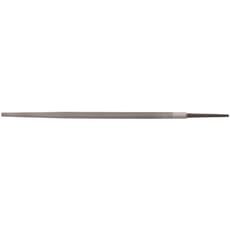
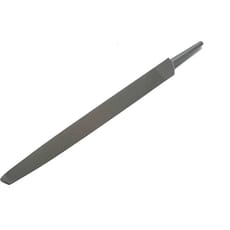
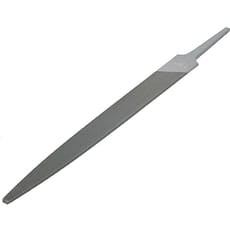
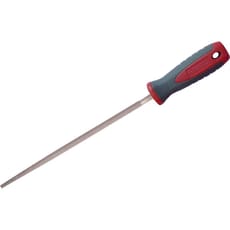
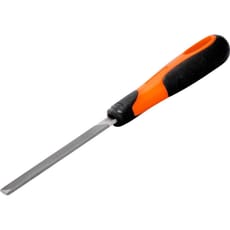
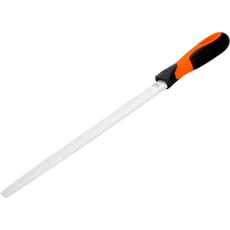
Profile Shape: Select the cross-sectional shape for your task. Flat files suit flat surfaces and external curves, half-round files handle internal curves, round files enlarge holes, square files work internal corners, and warding files access narrow slots.
Cut Grade: Coarse (bastard) cuts remove material quickly but leave rougher surfaces, medium (second cut) grades balance removal with surface quality, and fine (smooth cut) grades create superior finishes. Choose double cut for fast stock removal and single cut for controlled finishing.
Length and Quality: File length typically ranges from 100mm needle files to 350mm workshop files. Longer files cut faster and straighter but require more clearance. Professional-grade files from manufacturers stocked at MyToolShed.co.uk maintain their cutting edge significantly longer, proving more economical over time.
Safety Information
Always use a properly fitted handle—the exposed tang can cause serious puncture wounds if the file binds or slips. Replace cracked or loose handles immediately. Secure workpieces properly in a vice or clamp before filing, and wear safety glasses to protect against metal particles. Never use files as pry bars or hammers, as hardened files are brittle and can shatter dangerously. Clean files regularly with a file card to prevent pinning, which can cause sudden slippage. Store files separately to prevent tooth damage, and work in good lighting with adequate ventilation.
Frequently Asked Questions
Why do my files stop cutting effectively?
Files lose efficiency when teeth become clogged with material (pinning), worn smooth through use, or damaged by improper storage. Clean regularly with a file card, use file chalk when working soft metals, and store files separately. Quality files typically last considerably longer before wearing out.
What's the difference between files and rasps?
Files have rows of fine, angled teeth designed primarily for metalwork, whilst rasps feature individually raised, pointed teeth specifically for wood and soft materials. Rasps remove material more aggressively but leave rougher surfaces, making them ideal for rapid timber shaping.
Do I need different files for different metals?
A quality double cut engineers file handles most common metals including mild steel, aluminium, brass, and copper. However, very hard materials like hardened steel require specialised files, whilst soft metals like aluminium benefit from single cut files to reduce pinning. Dedicated files for specialist applications like chainsaw sharpening deliver superior results.