

Fencing Pins
Pay in 3 interest-free payments on purchases from £30-2000 with  . Learn more.
 Loading...
End of content
Error - No more pages to load
About Fencing Pins
Fencing pins are robust steel stakes essential for securing temporary and permanent fencing installations across construction sites, agricultural land, and domestic properties. Designed to be driven into the ground, these hardened steel anchors hold fencing panels, wire mesh, and chain-link barriers firmly in place against wind loads, livestock pressure, and general site conditions. MyToolShed.co.uk stocks trusted brands including Roughneck and Faithfull, offering various lengths and gauges to suit different ground conditions and fencing requirements.
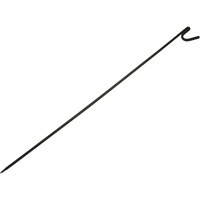
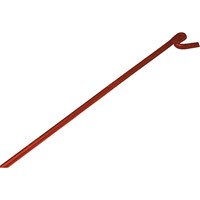
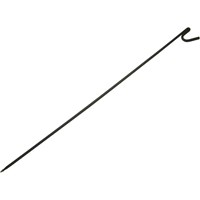
Quality fencing pins feature pointed ends for easy ground penetration and hooks or eyes at the top for wire tensioning and panel attachment. Available with galvanised or powder-coated finishes, these durable steel stakes resist corrosion in outdoor environments, ensuring long-lasting performance whether you're erecting site hoarding, installing agricultural fencing, or securing garden boundaries. Lengths typically range from 450mm to 1200mm, with thicker gauge options providing extra strength for challenging installations.
Applications
- Professional fencing contractors and groundworkers securing panel and wire mesh fencing
- Construction site managers installing temporary hoarding and site security barriers
- Agricultural workers and farm managers erecting livestock fencing and field boundaries
- Landscapers and garden designers creating domestic garden enclosures
- Groundskeepers at sports facilities, parks, and public spaces
- Event organisers setting up temporary crowd control barriers
- Smallholders and equestrian facility managers maintaining paddock fencing
- DIY enthusiasts tackling garden fencing projects
- Civil engineering contractors working on infrastructure perimeter security
- Local authority maintenance teams managing public land boundaries
Choosing The Right Fencing Pins
Ground Conditions: Softer soil requires longer pins (900-1200mm) for adequate ground anchor depth, whilst harder clay or compacted earth suits shorter, thicker gauge pins that withstand driving force without bending.
Fence Height and Weight: Taller or heavier fencing systems need longer, more robust pins. As a rule, at least one-third to one-half of the total pin length should be driven below ground for proper stability.
Material and Coating: MyToolShed.co.uk recommends galvanised steel fencing pins for permanent installations and exposed environments to resist corrosion. Standard steel suffices for temporary applications.
Pin Length: Match pin length to fence height and ground conditions—600-750mm suits standard residential panel fencing, whilst 900mm+ pins work for exposed sites or softer ground.
Top Fitting: Choose hooks or eyes for wire mesh and tension wire systems, or plain tops for panel fencing installations.
Spacing Requirements: Position pins every 2-3 metres for panel fencing, or every 1.5-2 metres for wire mesh in standard conditions, with closer spacing in high-wind areas.
Safety Information
Always wear sturdy work gloves to protect against sharp edges and steel splinters, plus safety glasses to shield eyes from flying debris when hammering. Steel-toe-capped boots are essential to prevent foot injuries from dropped pins or tools. Maintain a firm, balanced stance with a clear swing path when driving pins to prevent mis-strikes. Check for underground services using appropriate detection equipment before driving pins, particularly near buildings or on construction sites. Store fencing pins flat and secure to prevent trip hazards on work sites.
Frequently Asked Questions
What length fencing pins do I need for garden panel fencing?
For typical residential panel fencing up to 1.8 metres high, 600-750mm fencing pins work well in normal soil conditions, driven 300-400mm deep. Exposed locations or softer ground benefit from 900mm pins for extra stability.
How far apart should I space fencing pins?
Place pins every 2-3 metres for panel fencing, or at each panel junction. Wire mesh and chain-link installations typically need pins every 2-2.5 metres, with closer spacing (1-1.5 metres) in high-wind areas or for fences above 2 metres tall.
Can I reuse fencing pins after removing a fence?
Quality galvanised steel pins from brands stocked at MyToolShed.co.uk can be reused if they remain straight and undamaged. Clean off soil and inspect for bending, rust, or structural damage before reusing—never straighten bent pins as this weakens the steel.