

Farm Jacks
Pay in 3 interest-free payments on purchases from £30-2000 with  . Learn more.
 Loading...
End of content
Error - No more pages to load
About Farm Jacks
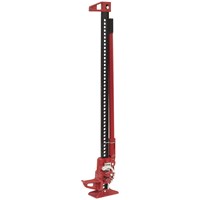
Farm jacks, also known as high-lift jacks, are robust mechanical lifting devices designed for heavy-duty applications in agricultural, off-road, and industrial environments. Unlike conventional hydraulic jacks, these versatile tools utilise a climbing mechanism that travels along a vertical steel rail, delivering exceptional lifting heights—often exceeding 1200mm—and multi-tonne load capacities. MyToolShed.co.uk stocks professional-grade farm jacks from trusted manufacturers like Sealey, providing reliable performance for lifting tractors, agricultural machinery, 4x4 vehicles, and heavy equipment in challenging conditions where standard jacking equipment cannot operate effectively.
Beyond basic lifting operations, farm jacks excel at multiple functions including winching, clamping, spreading, and vehicle recovery work. Their mechanical design requires no hydraulic or pneumatic power sources, making them invaluable for remote farm locations, forestry operations, and field repairs. The MyToolShed.co.uk range includes complete farm jack units alongside essential accessories such as wheel mount brackets, off-road bases, and handle locks to enhance safety and functionality across demanding outdoor applications.
Applications
- Farmers and Agricultural Contractors: Lifting tractors, combine harvesters, balers, and implements during maintenance, tyre changes, and field repairs
- Off-Road Enthusiasts and 4x4 Owners: Vehicle recovery, self-extraction from difficult terrain, and emergency repairs during green laning adventures
- Groundskeepers and Estate Managers: Maintaining ride-on mowers, utility vehicles, and grounds maintenance equipment across rural properties
- Construction Site Managers: Lifting plant machinery and site vehicles in remote locations without workshop access
- Forestry Workers: Moving heavy forestry equipment and machinery in woodland environments
- Vehicle Recovery Specialists: Professional recovery operations dealing with stuck or damaged vehicles in challenging rural locations
- Equestrian Facilities: Maintaining horse boxes, tractors, and agricultural vehicles at stables and riding centres
- Smallholders and Hobby Farmers: DIY maintenance on compact tractors and small-scale agricultural equipment
Choosing The Right Farm Jacks
Load Capacity: Select a jack with capacity exceeding your heaviest anticipated load. Compact tractors typically require 3-4 tonne capacity, whilst larger agricultural machinery may need 5-7 tonne models. Always include a comfortable safety margin above the equipment's weight.
Lifting Height: Standard farm jacks offer 1200-1500mm of travel. Verify this meets your requirements, particularly for high-clearance tractors and specialist machinery, remembering that effective lifting height begins from the base position.
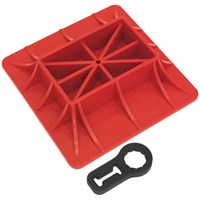
Base Stability: For soft or uneven ground, prioritise models with robust base plates or consider off-road base accessories. These wider bases prevent dangerous sinking into mud, sand, or ploughed fields during operation.
Build Quality: Professional-grade jacks like those from Sealey feature heavy-gauge steel construction with corrosion-resistant finishes—essential for withstanding harsh outdoor conditions and agricultural chemicals. Check for quality welding, smooth rail surfaces, and robust ratchet mechanisms.
Safety Features: Look for positive locking mechanisms, handle locks preventing accidental release, and clear load capacity markings. These features significantly reduce accident risk when working with multi-tonne loads.
Safety Information
Never work beneath loads supported only by a farm jack. Always use appropriate axle stands or secondary support systems before placing any part of your body under lifted equipment. Farm jacks are designed for lifting, not as permanent load-holding devices.
Ensure the jack base sits firmly on solid, level ground before lifting. On soft surfaces, always use an off-road base or substantial timber plate to distribute weight and prevent dangerous sinking or tipping. Inspect the jack before each use for damage, wear, or deterioration, particularly the rail surface and climbing mechanism. Strictly observe the manufacturer's rated load capacity and never exceed specified limits.
Frequently Asked Questions
What's the difference between a farm jack and a hydraulic trolley jack?
Farm jacks use mechanical advantage through a climbing ratchet mechanism rather than hydraulics, making them ideal for rough terrain and remote locations. They offer much greater lifting height (typically 1200-1500mm versus 300-500mm) and can perform multiple functions including lifting, clamping, and winching. Whilst hydraulic jacks excel in workshop environments, farm jacks are designed specifically for outdoor and agricultural applications where ground conditions are challenging.
What load capacity do I need for agricultural equipment?
For most agricultural applications, a 3-4 tonne capacity farm jack handles typical tractors and implement maintenance. Compact tractors typically weigh 1-2 tonnes, whilst mid-range agricultural tractors range from 3-6 tonnes—remember you're lifting one corner or axle, not the entire weight. For larger machinery, combines, or heavy plant equipment, consider 5-7 tonne capacity models available at MyToolShed.co.uk.
How do I prevent my farm jack sinking into soft ground?
Always use an off-road base accessory designed to spread the jack's weight across a larger surface area. Alternatively, position the jack on substantial timber planks (minimum 50mm thick hardwood) or steel plates. For extremely soft conditions like deep mud or waterlogged fields, consider using multiple layers of timber crossed at right angles to maximise stability.