

Engineers & Mechanics Vices
Pay in 3 interest-free payments on purchases from £30-2000 with  . Learn more.
 Loading...
End of content
Error - No more pages to load
About Engineers & Mechanics Vices
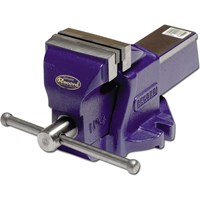
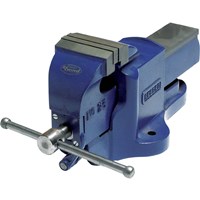
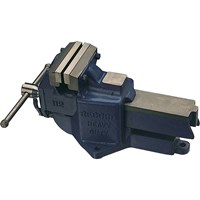
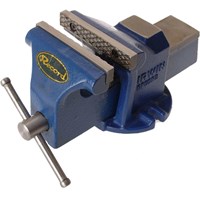
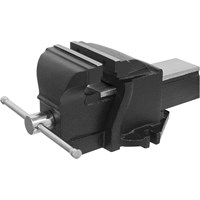
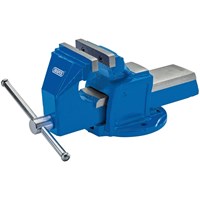
Engineers and mechanics vices are essential workshop tools designed to securely hold metal workpieces during fabrication, machining, and repair tasks. Built with hardened steel jaws and robust cast iron or SG iron construction, these bench-mounted vices provide the clamping force necessary for demanding metalwork applications including filing, drilling, cutting, and grinding. MyToolShed.co.uk stocks quality vices from trusted manufacturers including Record, Draper, and Sealey, offering both swivel-base engineers vices for versatile positioning and fixed-base mechanics vices for maximum rigidity during heavy-duty work.
Available in jaw widths ranging from 75mm to 150mm, these vices cater to different workshop requirements from compact home garages to busy commercial facilities. Many models feature quick release mechanisms for rapid workpiece changes, pipe jaws for gripping cylindrical components, and replaceable jaw faces to protect finished surfaces. Whether you're a professional engineer, motor vehicle mechanic, or DIY enthusiast, selecting the appropriate vice ensures efficient, safe workholding for precision metalworking tasks.
Applications
- Professional Engineering: Precision machining, fitting, and assembly operations requiring secure workholding
- Automotive Workshops: Vehicle component repairs, brake assembly work, and general mechanical maintenance
- Metal Fabrication: Welding preparation, sheet metal work, cutting, and finishing operations
- Plumbing and Pipefitting: Securing pipes for cutting, threading, and assembly work
- Industrial Maintenance: Equipment repair, refurbishment, and machinery component servicing
- Model Engineering: Precision miniature project work and hobby metalworking
- Educational Facilities: Teaching engineering and metalwork skills in schools, colleges, and training centres
- Home Workshops: DIY metalwork projects, bicycle repairs, and general maintenance tasks
Choosing The Right Engineers & Mechanics Vices
Jaw Width and Capacity: For general workshop use, a 100mm jaw width handles most common tasks effectively. Professional environments working with larger components may require 125mm to 150mm models, whilst compact home workshops might find 75mm sufficient for lighter duties.
Construction Quality: Heavy-duty SG iron or cast steel construction with hardened jaws ensures longevity in commercial settings. MyToolShed.co.uk offers professional-grade models from Record and Sealey that withstand daily workshop use whilst maintaining accuracy over time.
Swivel Base vs Fixed Base: Engineers vices with swivel bases provide 360-degree rotation for accessing workpieces from multiple angles, ideal for complex fabrication work. Fixed-base mechanics vices offer superior rigidity for repetitive automotive and heavy-duty applications where stability outweighs positioning flexibility.
Quick Release Feature: If you frequently change workpieces, quick release mechanisms significantly improve productivity by allowing rapid jaw adjustment without continuous handle rotation. This feature proves particularly valuable in production environments and multi-component projects.
Mounting Requirements: Ensure your workbench can support the vice's weight (typically 15-30kg) and the substantial clamping forces generated. A solid timber bench at least 40mm thick or a steel-framed engineer's bench is recommended, with through-bolting through all fixing holes for secure installation.
Safety Information
Secure Installation: Always mount your vice to a sturdy workbench using appropriately sized bolts through all fixing holes. Inadequate fixings can work loose under load, causing injury or damage. Periodically check fixings remain tight, especially after heavy use.
Eye Protection: Always wear safety glasses or goggles when working with components held in a vice. Filing, drilling, grinding, and cutting operations generate flying debris that can cause serious eye injuries. Comply with HSE guidance on personal protective equipment in workshop environments.
Appropriate Clamping Force: Apply only the force necessary to hold work securely. Excessive clamping pressure can damage workpieces, distort precision components, or fracture vice jaws. Never extend the handle with additional leverage unless the manufacturer explicitly permits this.
Regular Maintenance: Keep the slide mechanism clean and lightly lubricated with engineering oil. Remove metal filings regularly to maintain smooth operation and prevent premature wear. Inspect jaws for damage and replace if cracked or excessively worn.
Frequently Asked Questions
What's the difference between an engineers vice and a mechanics vice?
Engineers vices typically feature a swivel base allowing 360-degree rotation, making them versatile for precision work requiring multiple angles. Mechanics vices have a fixed base bolted directly to the bench, offering greater rigidity and stability for heavy-duty automotive and maintenance work. Both provide strong clamping force for metalwork, but engineers vices prioritise flexibility whilst mechanics vices emphasise robustness.
What jaw width should I choose for my workshop?
For general engineering and mechanical work, a 100mm jaw width provides an excellent balance of capacity and bench space efficiency, handling the majority of common workshop tasks. Professional workshops with larger projects may benefit from 125mm or 150mm models available at MyToolShed.co.uk, whilst compact home workshops might find 75mm adequate for lighter duties.
How do I maintain my engineers vice?
Clean the slide mechanism and thread regularly with a stiff brush to remove metal filings and debris. Apply a light coating of engineering oil to the slide and thread, avoiding excessive lubrication which attracts more debris. Inspect jaw faces for damage and dress minor burrs with a file. Replacement jaw sets are available for many quality vices from brands like Record to extend service life.