
Engineering Tools

Pay in 3 interest-free payments on purchases from £20-£3000 with  . Learn more.
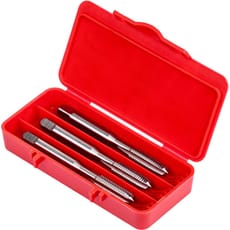
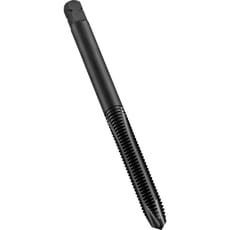
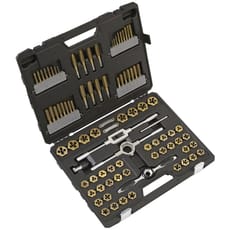
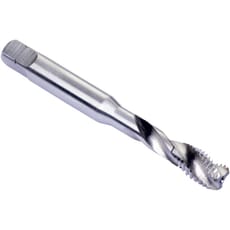
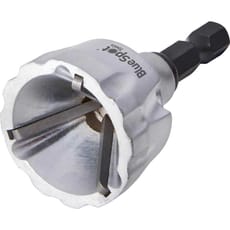
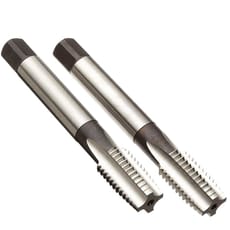
 Loading...
End of content
Error - No more pages to load
About Engineering Tools
Engineering tools are precision instruments designed for metalworking, machining, and manufacturing applications where accuracy and repeatability are essential. MyToolShed.co.uk stocks a comprehensive range of specialist cutting, shaping, finishing, and measurement tools that form the backbone of professional engineering workshops across the UK. From deburring sharp edges to creating perfect threads and achieving precise dimensions, these tools enable engineers and machinists to work metal with extraordinary accuracy measured in hundredths of a millimetre.
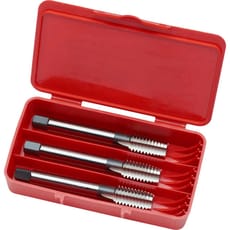
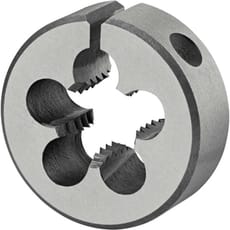
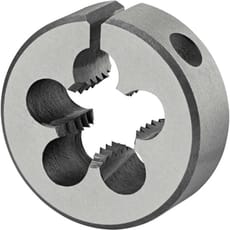
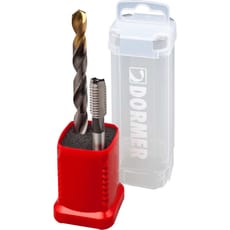
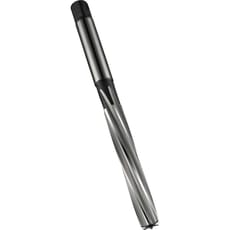
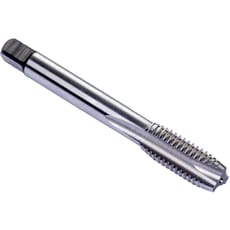
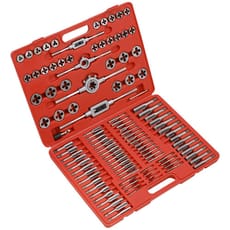
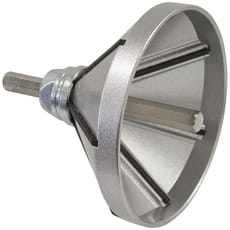
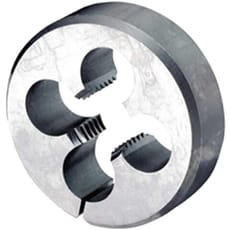
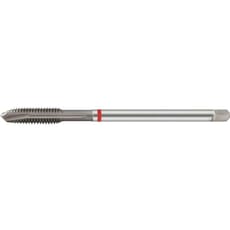
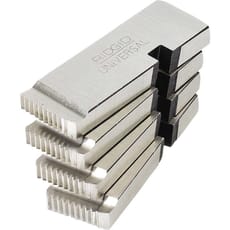
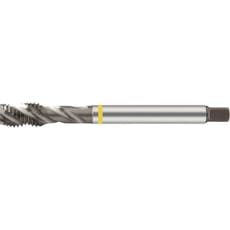
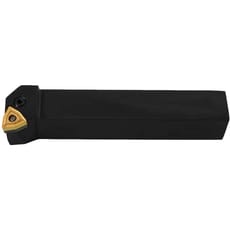
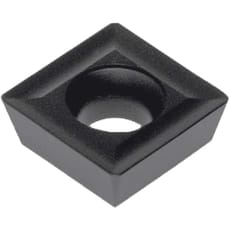
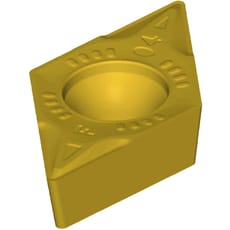
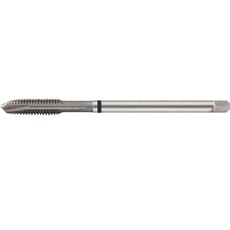
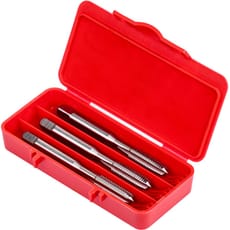
Our engineering tools category includes deburring tools for edge finishing, hand reamers for hole sizing, milling tools for material removal, taps and dies for thread cutting, turning tools for lathe work, and engineers scrapers for surface preparation. MyToolShed stocks trusted brands including Dormer, Clarkson, Osborn, Noga, Shaviv, and Sirius, ensuring professional-grade equipment that meets the exacting standards required in modern engineering. Whether working with steel, aluminium, brass, or exotic alloys, quality engineering tools make the difference between acceptable and exceptional results.
Applications
Engineering tools are essential across numerous professional trades and industries:
- Precision Engineers and Machinists: Using lathes, mills, and manual machining equipment to create or modify metal components
- Toolmakers and Die Makers: Crafting moulds, jigs, fixtures, and bespoke tooling for manufacturing processes
- Maintenance Engineers: Repairing and maintaining industrial machinery, production equipment, and manufacturing plants
- Fabrication Engineers: Working with structural steel, sheet metal, and welded assemblies requiring precise preparation
- Motor Vehicle Technicians: Repairing threads, removing damaged fasteners, and precision work on engine components
- Agricultural Engineers: Maintaining and repairing farm machinery in workshop environments
- Manufacturing Quality Inspectors: Ensuring components meet specification and tolerance requirements
- Apprentices and Engineering Students: Learning fundamental metalworking skills in training facilities
Choosing The Right Engineering Tools
Material Compatibility: Different tools are optimised for different materials. HSS (High-Speed Steel) tools suit general steel work, while carbide-tipped tools handle harder materials and high-volume production. Consider whether you're primarily working with mild steel, stainless steel, aluminium, or specialist alloys.
Size and Thread Standards: UK engineering work typically uses metric measurements (M3, M6, M10 threads), though imperial sizes remain common for maintenance of older equipment. Ensure your taps, dies, and reamers match the standards you work with most frequently.
Precision Requirements: Match tool quality to your tolerance requirements. Hand reamers can achieve H7 tolerance fits (±0.01-0.02mm), whilst deburring tools focus on edge quality rather than dimensional accuracy. Aerospace components demand different standards than agricultural repairs.
Brand Quality: Professional engineering tools from established manufacturers like Dormer, Osborn, and Clarkson offer consistent performance and materials that meet BS EN ISO specifications for critical applications.
Safety Information
Always wear safety glasses or face shields to protect against flying metal chips, which can cause serious eye injuries. Metal swarf can be razor-sharp and often hot immediately after cutting—never clear chips by hand, always use a brush or appropriate swarf removal tool. Ensure adequate ventilation when using cutting fluids and follow COSHH regulations. Keep all cutting tools sharp, as blunt tools require excessive force and increase the risk of slippage. Secure work in a vice or fixture and never hold small components by hand during cutting operations.
Frequently Asked Questions
What's the difference between a plug, taper, and bottoming tap?
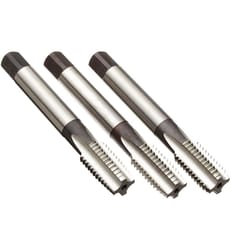
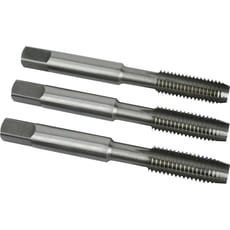
A taper tap has 7-10 threads chamfered for easy starting in through-holes. A plug tap (3-5 threads chamfered) is the most versatile general-purpose option. A bottoming tap has minimal chamfer (1-2 threads) and cuts threads to the bottom of blind holes. For best results in blind holes, use all three progressively.
How do I know what size drill to use before tapping?
Each thread size requires a specific pilot hole called the tapping drill size. For metric threads, subtract the pitch from the major diameter (e.g., M10 x 1.5 requires an 8.5mm drill). Consult tapping drill charts for precision work, as using the wrong size creates either weak threads or broken taps.
Why do my taps keep breaking?
Tap breakage usually results from insufficient pilot hole size, lack of lubrication, not clearing swarf frequently, or misalignment. Turn forwards 1-2 turns, then reverse half a turn to break the chip. Ensure the tap is square to the work, use appropriate cutting fluid, and never force a binding tap.