

Emery Cloth
Pay in 3 interest-free payments on purchases from £30-2000 with  . Learn more.
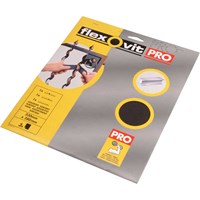
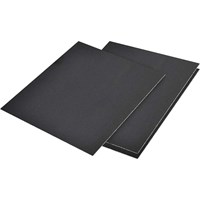
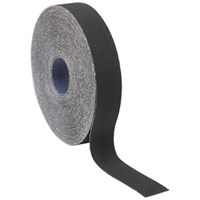
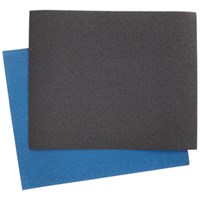
 Loading...
End of content
Error - No more pages to load
About Emery Cloth
Emery cloth is a flexible abrasive material specifically engineered for metalworking applications, consisting of emery or aluminium oxide particles bonded to a durable cloth backing. Unlike standard sandpaper designed for wood, emery cloth excels at working with ferrous and non-ferrous metals, offering superior tear resistance and the ability to conform to curved surfaces, pipes, and intricate shapes. Available in rolls and pre-cut sheets from trusted brands including Sealey, Draper, Faithfull, and Flexovit, MyToolShed.co.uk stocks a comprehensive range of grit sizes to suit everything from heavy rust removal to fine finishing work.
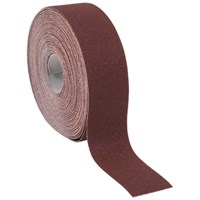
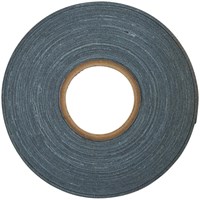
The cloth backing—available in both blue twill and brown variants—provides exceptional durability when working with oils, coolants, and metal particles, making emery cloth the preferred choice for tradespeople and DIY enthusiasts tackling surface preparation, deburring, weld cleaning, and polishing tasks. Its versatility for wet or dry use, combined with the ability to work by hand in areas where power tools cannot reach, makes emery cloth an indispensable workshop consumable for achieving professional finishes on metal surfaces.
Applications
Emery cloth is an essential abrasive across numerous metalworking trades and applications:
- Fabricators and Welders: Cleaning welds, removing scale, and preparing metal surfaces before welding or coating
- Motor Mechanics: Removing rust, smoothing bodywork repairs, and preparing surfaces for painting
- Plumbers and Heating Engineers: Cleaning and polishing copper pipes and fittings before soldering or compression joints
- General Engineers and Machinists: Deburring machined parts, removing tool marks, and achieving specified surface finishes
- Maintenance Fitters: General metalwork maintenance, removing corrosion, and surface preparation on machinery
- Knife Makers and Blade Smiths: Shaping, finishing, and polishing blades during manufacturing
- DIY Enthusiasts: Metal restoration projects, garden tool maintenance, and general metalcraft
Choosing The Right Emery Cloth
Grit Selection: Coarse grits (40-80) remove material quickly for heavy rust removal and paint stripping. Medium grits (100-150) provide balanced cutting for general metalwork. Fine grits (180-320) produce smooth surfaces ready for painting, whilst extra-fine grades (400+) create polished finishes for visible surfaces.
Format: Emery cloth rolls offer excellent value for high-volume users and can be cut to custom lengths, making them economical for busy workshops. Pre-cut sheets (typically 230mm x 280mm) provide convenience for occasional users and specific applications.
Backing Material: Blue twill backing is more flexible and durable, ideal for hand-sanding curved surfaces and pipes. Brown backing tends to be slightly stiffer and may suit flat surface work. Both offer excellent tear resistance compared to paper-backed abrasives.
Wet or Dry Use: If planning to use lubricants or cutting oils, ensure your emery cloth is rated for wet use. MyToolShed.co.uk stocks professional brands like Sealey, Draper, Faithfull, and Flexovit that offer consistent grit sizing and reliable bonding for long-lasting performance.
Safety Information
Always wear safety glasses to protect against metal particles dislodged during sanding. When working with metals producing fine dust—particularly aluminium or stainless steel—wear an appropriate dust mask conforming to HSE guidelines. Ensure adequate ventilation in your workspace, especially when removing old coatings that may contain hazardous materials. Be aware that some metals and coatings require special precautions under COSHH regulations. Metal particles can be flammable, so keep your work area clean and dispose of used emery cloth in appropriate metal containers.
Frequently Asked Questions
What's the difference between emery cloth and sandpaper?
Emery cloth features a durable cloth backing designed specifically for metalworking, withstanding metal particles and lubricants. Sandpaper has a paper backing better suited to wood and typically cannot be used wet. The abrasive particles in emery cloth are harder and more suitable for cutting through metal surfaces.
Which grit should I start with for removing rust?
For heavy rust removal, begin with coarse grit between 60-80. Progress through medium grits (100-120) to remove scratches, then finish with fine grits (180-240) for a smooth surface. Always work through progressive grits rather than jumping from very coarse to very fine.
Should I use emery cloth wet or dry?
Dry sanding is faster for material removal and suitable for most general work. Wet sanding with water or cutting oil reduces dust, prevents heat build-up, produces finer finishes, and extends the cloth's life. For final finishing work or softer metals like aluminium, wet sanding often produces superior results.